This post was created with help from AI tools and carefully reviewed by a human (Muntaseer Rahman) . For more on how we use AI on this site, check out our Editorial Policy.
Check Out These FREE Tools We Made JUST For You!
21 Small Pet Frogs That Stay Small (And Which Ones You Can Actually Buy)
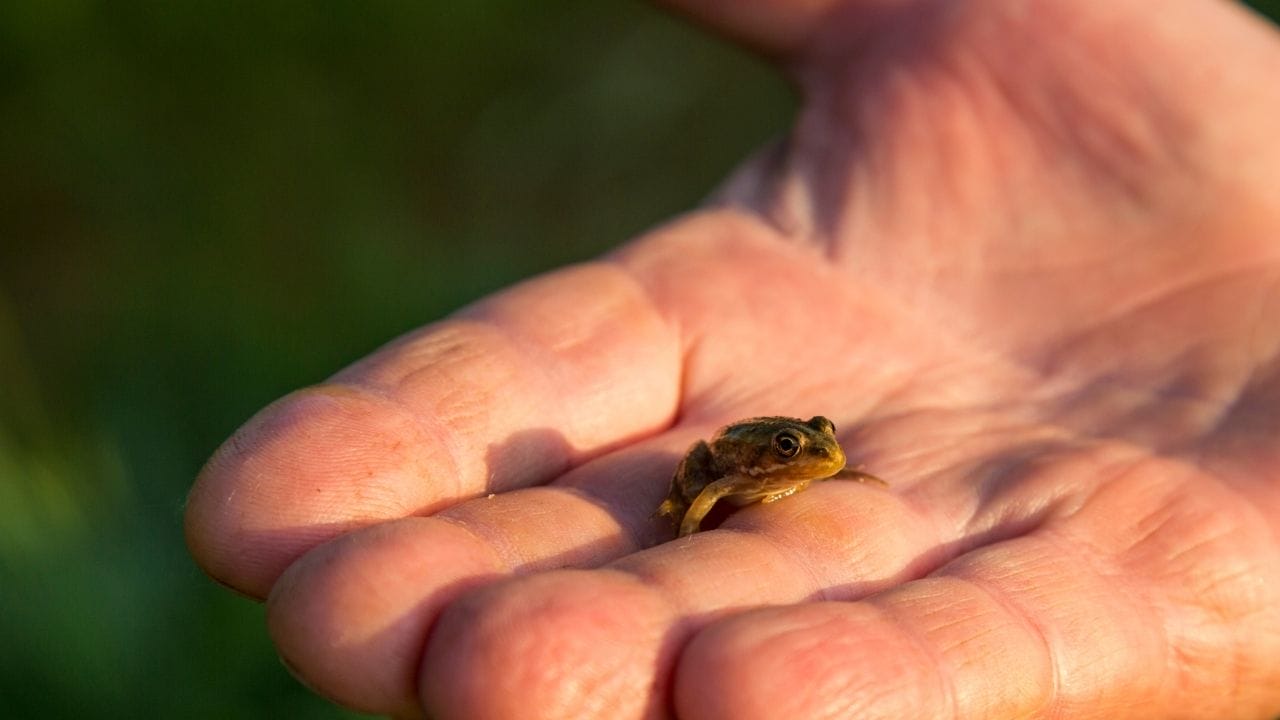
Here is the thing nobody tells you about “smallest pet frog” lists. Half the frogs on them are not for sale anywhere on earth.
I went through the usual suspects and checked every single one against real breeder stock, CITES rules, and state wildlife law. Six of the twenty-one famous “tiny pet frogs” are fantasy pets.
So this list is sorted differently. Not by cuteness. By whether you can walk away with one.
You get three tiers: frogs you can buy today and keep alive, frogs you can buy but probably shouldn’t as your first, and frogs that only exist in blog posts.
First, What Counts As A “Small” Frog?
Frogs are measured snout to vent, meaning nose to butt, legs not included.
That matters more than it sounds. A red-eyed tree frog listed at “2 inches” is closer to 5 inches with legs stretched, and it still needs a tall tank.
| Size bracket | Snout-to-vent length | What it feels like |
|---|---|---|
| Micro | Under 1 inch | Sits on your thumbnail |
| Tiny | 1 to 1.5 inches | About a quarter |
| Small | 1.5 to 2.5 inches | A large grape |
| Compact | 2.5 to 4 inches | Fits in a closed palm |
Anything past 4 inches is not a small frog, it is a Pacman frog wearing a small frog’s reputation.
Also worth knowing: female frogs are usually bigger than males in almost every species here. If a breeder lists a size range, the top number is a girl.
The Honest Sorting
| Tier | What it means | How many |
|---|---|---|
| Tier 1 | Captive bred, easy to find, beginner-survivable | 8 species |
| Tier 2 | Real pets, but expensive, delicate, or legally messy | 7 species |
| Tier 3 | You will see them on lists. You cannot own them. | 6 species |
Quick Comparison Table (All 21)
| # | Frog | Adult size | Min tank | Lifespan | Price | Tier |
|---|---|---|---|---|---|---|
| 1 | African Dwarf Frog | 1.5–2.5 in | 5–10 gal aquatic | 5–10 yrs | $5–15 | 1 |
| 2 | Burmese Chubby Frog | 2–3 in | 10 gal | 8–10 yrs | $20–40 | 1 |
| 3 | American Green Tree Frog | 1.25–2.5 in | 12x12x18 | 5–8 yrs | $10–25 | 1 |
| 4 | Green and Black Dart Frog | 1–1.5 in | 10 gal / 12x12x18 | 10–15 yrs | $50–80 | 1 |
| 5 | Bumblebee Dart Frog | 1.25–2 in | 10 gal / 18x18x18 | 10–20 yrs | $60–90 | 1 |
| 6 | Red-eyed Tree Frog | 2–3 in | 18x18x24 | 5–10 yrs | $40–80 | 1 |
| 7 | Tomato Frog | 2.5–4 in | 10–20 gal | 6–10 yrs | $30–60 | 1 |
| 8 | Amazon Milk Frog | 2.5–4 in | 18x18x24 | 8–12 yrs | $40–70 | 1 |
| 9 | Golden Mantella | 0.75–1.25 in | 10 gal / 12x12x12 | 5–8 yrs | $80–130 | 2 |
| 10 | Mimic / Thumbnail Dart Frog | ~1 in | 12x12x18 | 10–15 yrs | $80–150 | 2 |
| 11 | Strawberry Dart Frog | 0.7–0.9 in | 12x12x18 | 8–12 yrs | $100–250 | 2 |
| 12 | Golden Poison Dart Frog | 1.5–2 in | 18x18x18 | 10–20 yrs | $100–150 | 2 |
| 13 | Clown Tree Frog | 1.5–2 in | 12x12x18 | 4–8 yrs | $40–70 | 2 |
| 14 | Waxy Monkey Frog | 2.5–3.5 in | 18x18x24 | 8–12 yrs | $80–150 | 2 |
| 15 | Gray Tree Frog | 1.25–2.5 in | 12x12x18 | 7–9 yrs | Permit issues | 2 |
| 16 | Glass Frog | ~1 in | 12x12x18 | 10–14 yrs | $150–400 | 3 |
| 17 | Desert Rain Frog | 1.5–2.5 in | Not keepable | Unknown | Not sold legally | 3 |
| 18 | Wood Frog | 1.5–2.75 in | Native, permit | 3–5 yrs | Not sold | 3 |
| 19 | Pool Frog | 2–3 in | Protected | 6–8 yrs | Not sold | 3 |
| 20 | Darwin’s Frog | 1–1.5 in | Zoo programs only | 10–15 yrs | Not sold | 3 |
| 21 | Monte Iberia Eleuth | 0.4 in | Cannot be owned | Unknown | Not sold | 3 |
Note that the world’s smallest frog, Paedophryne amauensis at 7.7 mm, is not on this list at all. Nobody keeps it. It was only described in 2012 and it lives on the rainforest floor in Papua New Guinea.
Tier 1: Small Frogs You Can Actually Buy And Keep Alive
These eight are captive bred in volume, sold by real US breeders, and forgiving enough that a first-timer has a fair shot.
1. African Dwarf Frog

Adult size: 1.5 to 2.5 inches. Fully aquatic, which makes it the odd one out on this list.
This is the cheapest way to own a frog, usually $5 to $15, and it lives in water like a fish. No misting, no climbing branches, no crickets escaping into your bedroom.
They eat frozen bloodworms and sinking pellets, which is a relief if live insects make you squeamish.
The catch is that pet stores constantly sell African clawed frogs as dwarf frogs. Dwarf frogs have four webbed feet, clawed frogs have webbed back feet and separate front toes, and the clawed one grows to 5 inches and eats its tankmates.
Read our African dwarf frog care guide before you buy, and check whether two dwarf frogs can live together since they are social and hate being solo.
2. Burmese Chubby Frog

Adult size: 2 to 3 inches. Built like a slightly angry dinner roll.
Chubby frogs are burrowers, so they want 3 to 4 inches of coconut fiber (my go-to substrate base) substrate and they will vanish into it for days. Height means nothing to them, floor space is everything.
They live 8 to 10 years and they are honestly one of the toughest frogs in the hobby. Room temperature works, humidity around 60 to 70 percent works, and they eat crickets like a wood chipper.
They do secrete a mild sticky irritant when stressed, so wash your hands. Nothing dangerous, just unpleasant.
3. American Green Tree Frog
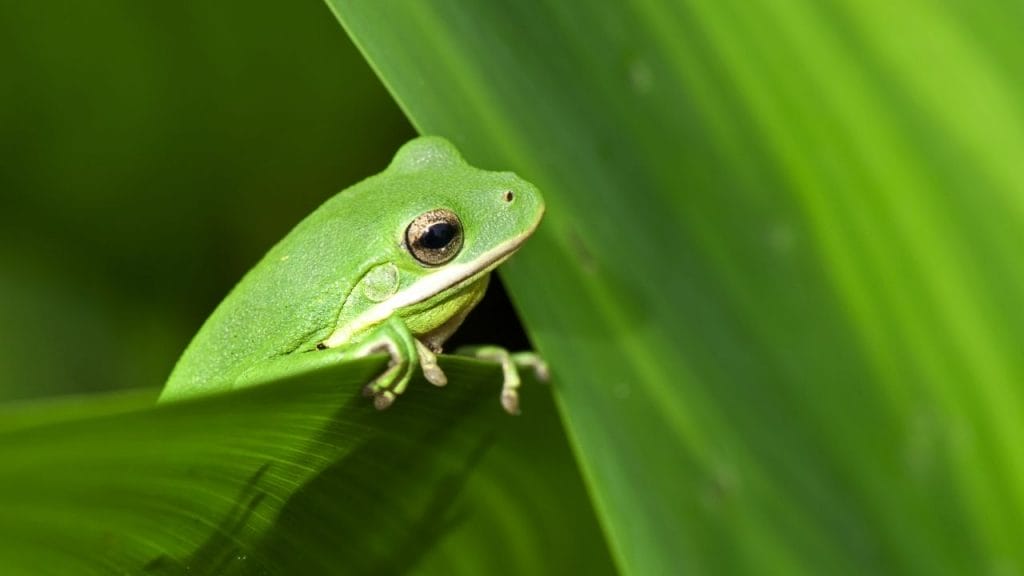
Adult size: 1.25 to 2.5 inches. The classic starter tree frog and the loudest thing in your house.
Males call at night, and the sound carries. If your bedroom shares a wall with the tank, you will learn this the hard way around 2 a.m.
They are cheap, usually $10 to $25, they climb glass, and they look like little green jewels stuck to the wall.
Buy captive bred. Wild-caught green tree frogs are common in the trade and they arrive loaded with parasites and stress.
A 12x12x18 vertical terrarium holds two or three comfortably. Our tree frog habitat setup guide covers the build.
4. Green And Black Dart Frog (Dendrobates auratus)
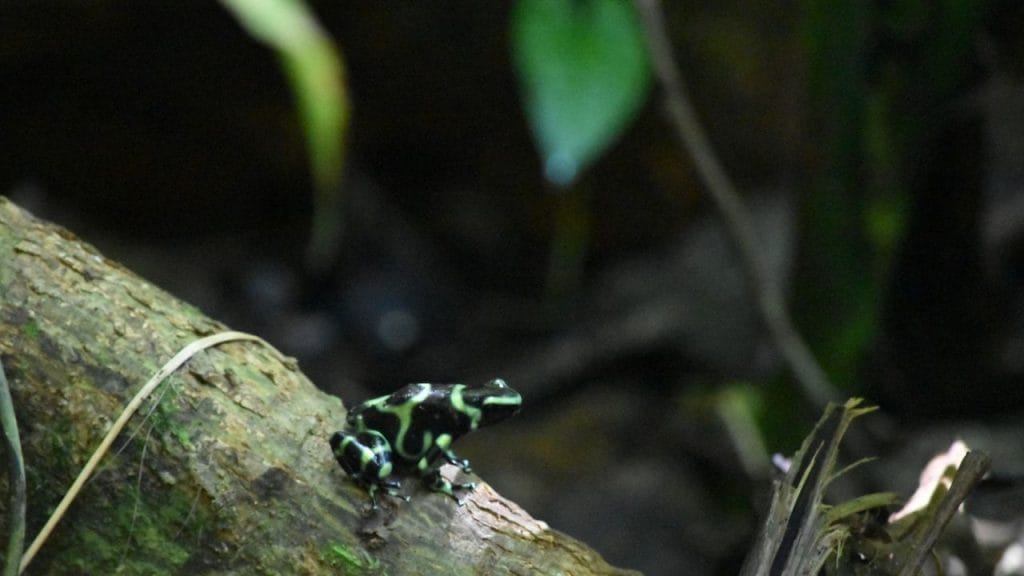
Adult size: 1 to 1.5 inches. The dart frog everyone should start with.
Here is the fact that stops people mid-panic: captive bred dart frogs are completely non-toxic. Wild dart frogs get their poison from the ants and mites they eat, and captive frogs eating fruit flies never develop it.
Auratus are bold, they walk around in the open during the day, and they live 10 to 15 years. That is longer than a lot of dogs.
They need floor space more than height, a bioactive setup with springtails and leaf litter (the jackfruit leaves I top the tank with), and humidity in the 80 to 100 percent range.
They are also a display-only animal. No handling, ever. See our dart frog habitat setup guide for the full vivarium build.
5. Bumblebee Dart Frog (Dendrobates leucomelas)

Adult size: 1.25 to 2 inches. Black and yellow, and the most outgoing frog in this whole article.
Leucs are the extroverts of the dart frog world. They sit in the open, they call, they investigate everything, and they tolerate a slightly drier vivarium than most darts.
Reported lifespans hit 20 years in good collections. You are adopting a long-term roommate.
Expect $60 to $90 per frog captive bred, and plan on a group of three or four since they are gregarious.
6. Red-eyed Tree Frog
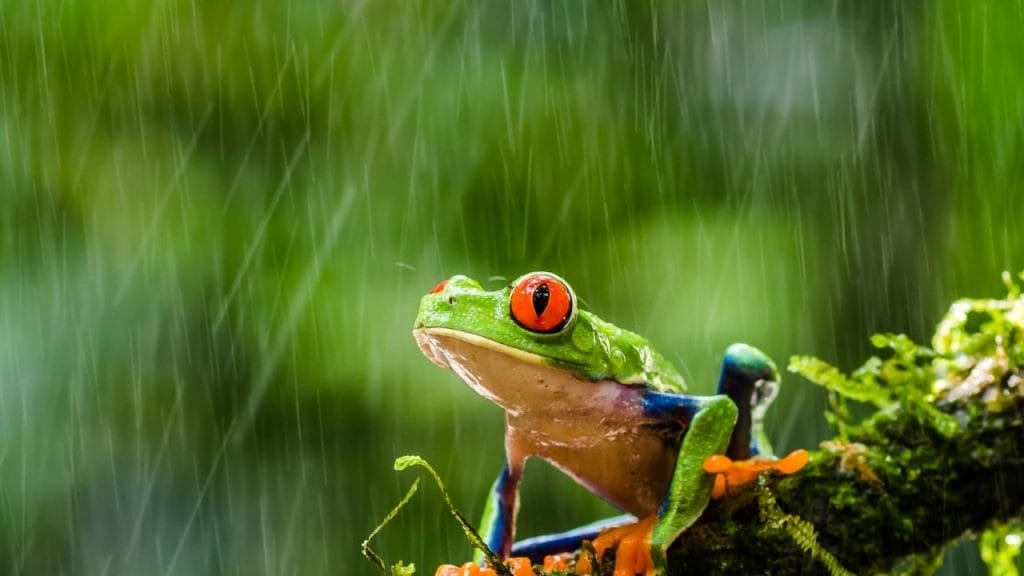
Adult size: 2 to 3 inches. The most photographed frog alive, and more delicate than its fame suggests.
They are nocturnal, so during the day they fold up into a green blob with their eyes closed and their red eyes hidden. People are always a little disappointed by this.
They need high humidity, around 80 to 100 percent, night temps dropping into the 60s, and a tall planted tank with broad leaves to sleep on.
A 10-gallon is not enough. Go 18x18x24 vertical. Full details in our red-eyed tree frog care guide.
7. Tomato Frog
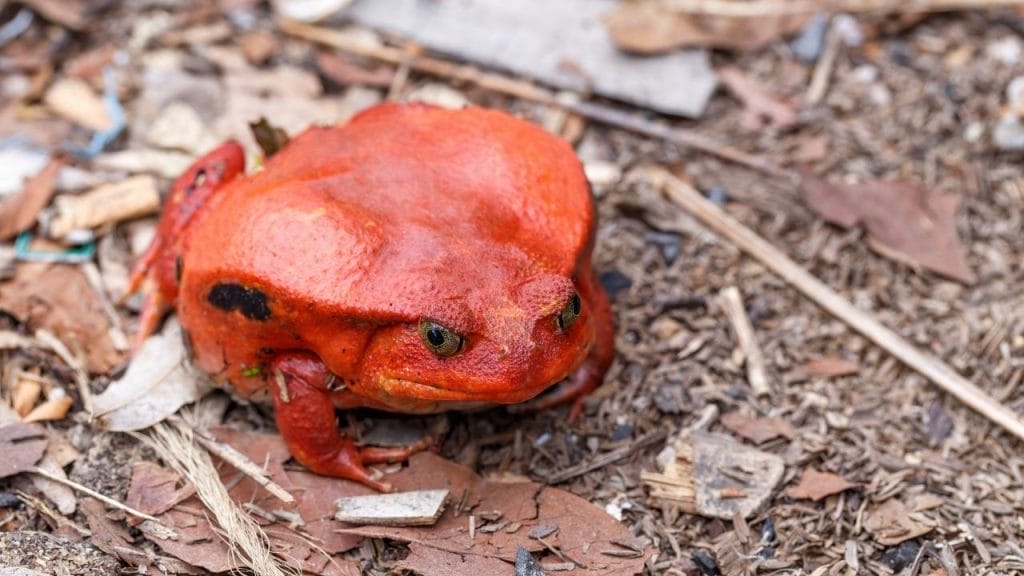
Adult size: 2.5 to 4 inches. Females are the big red ones, males are smaller and duller orange.
They are sit-and-wait ambush frogs, which is a polite way of saying they mostly do nothing. If you want an active pet, look elsewhere.
They burrow, they need moist substrate, and they inflate and secrete a sticky white goo when threatened. It can irritate eyes and mucous membranes, so hands off.
Captive bred stock is common now at $30 to $60, which is a big improvement over the wild-caught days.
8. Amazon Milk Frog

Adult size: 2.5 to 4 inches. The upper edge of “small,” but they earn their spot.
Milk frogs are chunky, calm, and they hold still, which makes them the closest thing to a handleable small frog. Even then, handling should be rare and with wet hands.
They are arboreal and they want a tall tank with a water bowl deep enough to soak in, plus vertical cork bark.
They cost $40 to $70 and live 8 to 12 years. Our Amazon milk frog care guide covers the humidity specifics, which is where most people go wrong.
Tier 2: Real Pets, But Not Your First Frog
These are legitimately available. They are also expensive, fragile, or tangled in permits.
9. Golden Mantella
Adult size: 0.75 to 1.25 inches. Blaze orange and roughly the size of a pencil eraser.
Mantellas look like dart frogs and are often sold near them, but they want it cooler, around 68 to 74°F with a night drop, and slightly drier at 60 to 70 percent humidity.
Warm rooms kill mantellas. That is the number one cause of death for beginners who treat them like darts.
They are critically endangered in the wild, so captive bred stock only, at around $80 to $130 each. Keep them in groups of four to six.
10. Mimic Dart Frog (Thumbnail Species)
Adult size: about 1 inch. Ranitomeya imitator and its relatives are the thumbnails.
They are astonishing to watch. They pair-bond, the female feeds unfertilized eggs to her tadpoles, and the male ferries tadpoles up into bromeliads.
But they are tiny, they climb, and they escape through gaps you would swear were sealed. A 12x12x18 densely planted vivarium for a pair is the standard.
Feeding is the hard part. They need Drosophila melanogaster (the smaller flightless fruit fly) and springtails, not the larger hydei flies.
11. Strawberry Dart Frog (Oophaga pumilio)
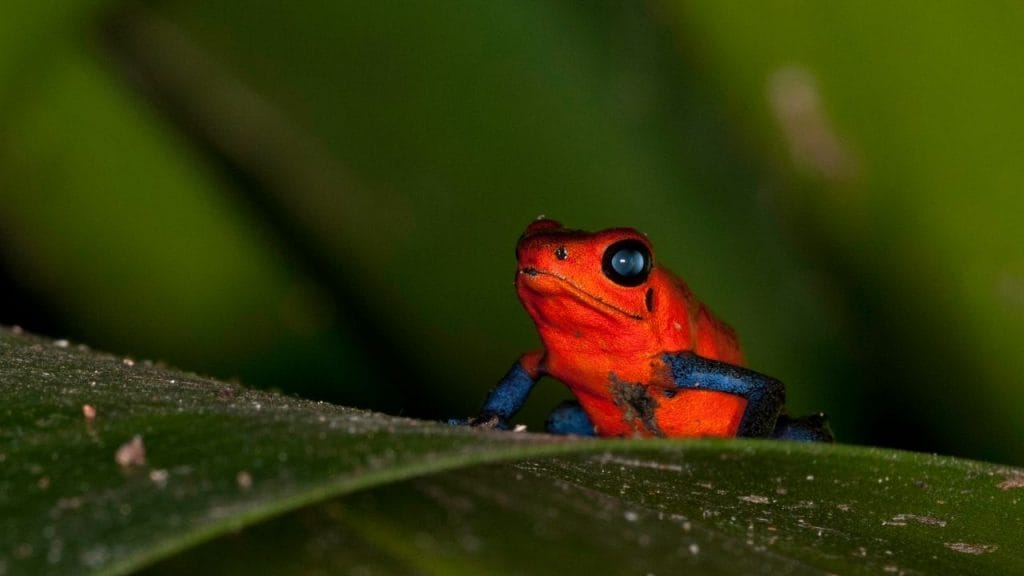
Adult size: 0.7 to 0.9 inches. Also called the blue jeans frog for its red body and blue legs.
This is an advanced frog. Tadpoles are obligate egg feeders, meaning the mother must deposit unfertilized eggs for them or they starve.
Wild-caught imports still circulate, and they crash. Captive bred lines run $100 to $250 and are worth every dollar.
12. Golden Poison Dart Frog (Phyllobates terribilis)
Adult size: 1.5 to 2 inches. The most toxic animal on the planet in the wild, and a harmless pet in captivity.
One wild specimen carries enough batrachotoxin to be genuinely lethal. Captive bred ones raised on fruit flies carry none of it, because they never eat the alkaloid-loaded prey that produces it.
They are actually one of the hardier darts, big for a dart frog, bold, and they eat well. The barrier is price and the conversation you will have with visitors.
13. Clown Tree Frog
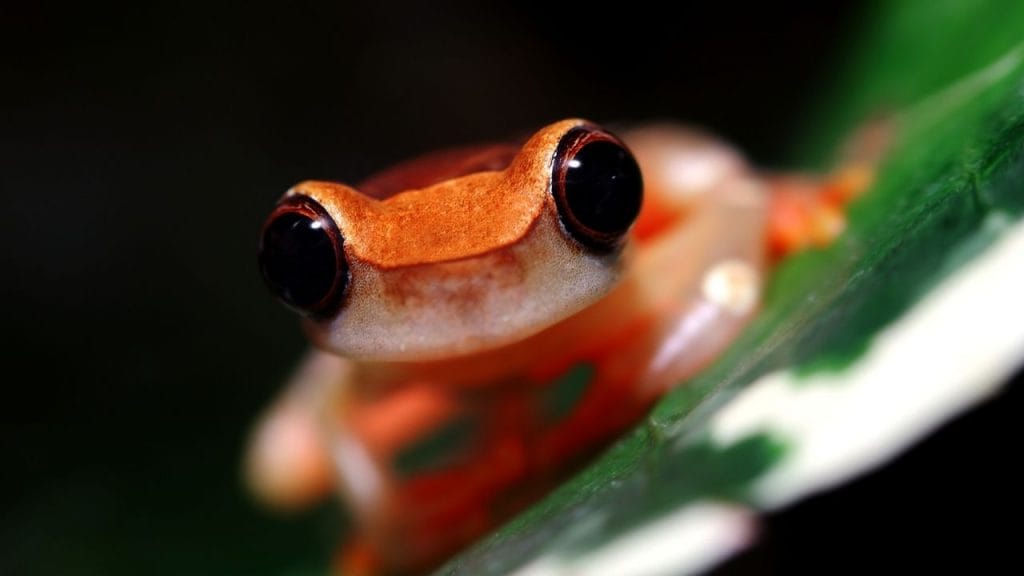
Adult size: 1.5 to 2 inches. Beautiful patterning, terrible sourcing.
Most clown tree frogs in the trade are wild caught, which means dehydration, parasites, and a short life. Captive bred stock exists but is uncommon.
If you cannot verify captive bred, skip it. That is not me being precious, it is a survival-rate issue.
14. Waxy Monkey Frog

Adult size: 2.5 to 3.5 inches. Walks hand over hand instead of hopping, which is genuinely fun to watch.
They come from dry scrub, so they are the rare frog that wants lower humidity, around 50 to 60 percent, plus a basking spot and UVB.
Treat one like a rainforest frog and it dies. That single mismatch is why they are Tier 2 and not Tier 1.
15. Gray Tree Frog

Adult size: 1.25 to 2.5 inches. Changes color from gray to green depending on temperature and background.
They are native across most of the eastern US, which is exactly the problem. Collecting native amphibians is regulated state by state.
North Carolina caps personal collection at 24 amphibians per year with a license. Wisconsin moved to ban keeping wild-caught native frogs outright in 2026. Georgia will not issue licenses for keeping native wildlife as pets at all.
Check your state wildlife agency first. We cover this in can you keep wild frogs as pets.
Tier 3: The Six Frogs You Will Never Own
Every list includes these. None of them are purchasable. Here is why.
16. Glass Frog

Adult size: about 1 inch. Transparent belly skin, you can see the heart beating.
They do occasionally appear from a handful of specialist breeders at $150 to $400, but availability is near zero and care is unforgiving. Cool, high-flow, high-humidity setups only.
Practically speaking, treat this as a zoo animal.
17. Desert Rain Frog

Adult size: 1.5 to 2.5 inches. The screaming potato from that one viral video.
There are no captive bred desert rain frogs in circulation. Every one you see on social media was pulled from the wild.
South Africa protects the species, export permits for the pet trade are essentially never granted, and the animal needs cold coastal fog to survive. People who set up a warm tropical tank lose them in weeks.
We wrote a full desert rain frog care guide explaining exactly why this one is a look-don’t-buy species.
18. Wood Frog
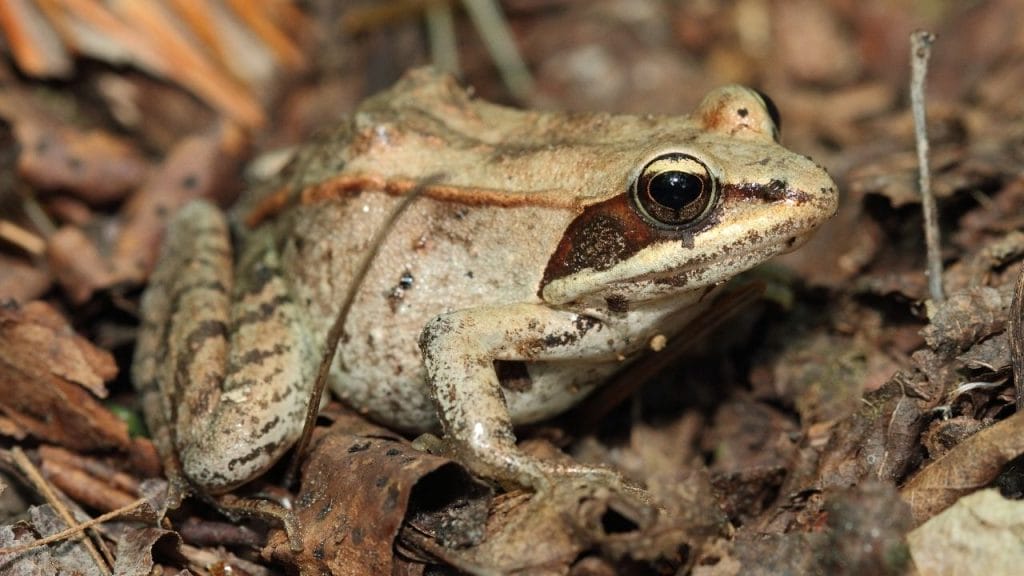
Adult size: 1.5 to 2.75 inches. The frog that freezes solid every winter and thaws out fine in spring.
Up to 65 percent of its body water turns to ice and its heart stops completely. Glucose acts as antifreeze in its cells.
That is an incredible animal and a terrible pet. It needs a genuine winter cycle, it is native and regulated, and nobody breeds it commercially.
19. Pool Frog
Adult size: 2 to 3 inches. Britain’s rarest amphibian.
It went extinct in the UK in the 1990s and was reintroduced from Swedish stock under a conservation program. It is legally protected.
There is no pet trade. There was never a pet trade.
20. Darwin’s Frog
Adult size: 1 to 1.5 inches. The male swallows his tadpoles and raises them in his vocal sac.
The species is collapsing from chytrid fungus, and it exists in captivity only inside coordinated zoo breeding programs.
You cannot buy one. If someone offers you one, that is a smuggled animal.
21. Monte Iberia Eleuth
Adult size: about 0.4 inches. Roughly 10 millimeters, the third smallest frog on earth.
Critically endangered, endemic to one small patch of eastern Cuba, and fully protected. The same goes for the Brazilian flea frog you sometimes see listed as the “Brazilian gold frog.”
Not a pet. Never was.
The Myth That Ruins Small Frog Keeping
Small frog does not mean small tank. It means the opposite.
A 5-gallon enclosure swings temperature and humidity dramatically faster than a 20-gallon. Small volumes are unstable volumes.
A tiny frog also dehydrates faster because it has more surface area relative to its body mass. It has less margin for your mistakes, not more.
The other half of the myth is that small equals easy. A golden mantella is a quarter the size of a chubby frog and about four times harder to keep.
Rule of thumb: buy the biggest enclosure you can fit, then plant it heavily so the frog does not feel exposed.
Tank Setup By Body Type, Not By Species
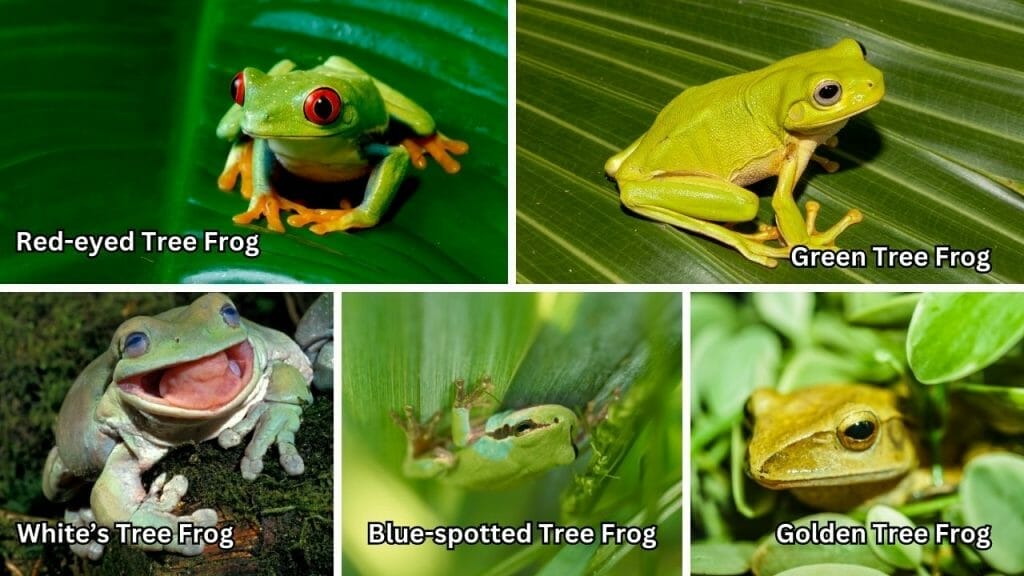
Every small frog on this list falls into one of three build patterns.
| Type | Species | What they need | Tank shape |
|---|---|---|---|
| Aquatic | African dwarf frog | Filtered water, 72–78°F, low flow, tight lid | Wide, shallow |
| Terrestrial / burrowing | Chubby frog, tomato frog, dart frogs, mantella | 3–4 in substrate, floor space, leaf litter | Wide, low |
| Arboreal | Green tree frog, red-eyed, milk frog, clown, waxy | Vertical branches, broad leaves, height | Tall |
One buying note before the checklist. Get a digital hygrometer (the combo gauge I keep on the screen) instead of trusting the analog dial that ships with most starter kits, because those dials routinely read 15 to 20 percent off and you will chase humidity problems that do not exist.
Three things every single one of them needs regardless of type.
- A tight-fitting lid. Frogs are escape artists and a loose lid is how you lose one behind the dresser.
- Dechlorinated water only. Chlorine and chloramine burn amphibian skin. They breathe and drink through it.
- No hot glass. Overhead heat dries frogs out. Use ambient room heat or a low-wattage heat mat (side-mount this, never under the tank) on the side, never a basking bulb, except for the waxy monkey frog.
Feeding Frogs With Tiny Mouths
This is the part that ambushes beginners. A one-inch frog cannot eat a cricket.
| Frog size | Food | Notes |
|---|---|---|
| Under 1 in | Springtails, D. melanogaster flightless fruit flies | Culture your own, stores run out |
| 1–1.5 in | D. hydei flies, pinhead crickets, bean beetles | Rotate for variety |
| 1.5–3 in | 1/4 inch crickets, small dubia, waxworms as treats | Feed 3–5 per session |
| Aquatic | Frozen bloodworms, brine shrimp, sinking pellets | Target feed so fish do not steal it |
Dust with calcium plus D3 at most feedings and a multivitamin (I suggest this one) once a week. Metabolic bone disease is the quiet killer in small frogs and it is entirely preventable.
Here is the practical warning. If you buy a thumbnail dart frog or a mantella, you are also signing up to maintain live fruit fly cultures forever. Cultures crash. Have two going at all times.
Feed juveniles daily, adults every two or three days. More detail in our dart frog feeding guide and tree frog diet guide.
Can You Hold Them? Mostly No
Frog skin is permeable. It absorbs whatever is on your hands, including soap residue, lotion, and salt.
Dart frogs, mantellas, glass frogs, and thumbnails are strictly hands-off. Full stop.
Chubby frogs, tomato frogs, and milk frogs tolerate brief, occasional handling with wet, rinsed, unpowdered hands. Tree frogs will sit on you but they stress and they leap.
If handling is the whole point of getting a frog, read our best pet frogs for handling list, because small species are the wrong direction entirely.
Can Small Frogs Live Together?
Same species, similar size, yes for most. Mixed species, almost never.
Dart frogs cohabit well in groups of the same species and morph, but never mix morphs, because they hybridize and the offspring are useless to the hobby and often unhealthy.
Anything with a size difference is a feeding problem waiting to happen. A tomato frog will absolutely try to swallow a green tree frog.
Chubby frogs and tomato frogs are best kept alone or in same-species pairs. African dwarf frogs actively want company and get depressed solo.
Our guide on what frogs can live together peacefully breaks down the safe combinations.
What It Actually Costs
The frog is the cheap part. Everyone learns this too late.
| Item | Typical cost |
|---|---|
| Frog | $5–250 |
| Enclosure | $60–200 |
| Substrate, plants, hardscape | $50–120 |
| Lighting | $30–80 |
| Thermometer and humidity meter | $15–30 |
| Misting system (optional but great) | $60–150 |
| Monthly food and supplements | $10–25 |
Realistic first-year total for a single small frog: $250 to $500. A dart frog vivarium done properly lands closer to $400.
Full numbers in our pet frog cost breakdown and the 17 things you need for a pet frog checklist.
The Legal Part Nobody Reads
Three separate rules can trip you up.
Native species law. Wild-caught native frogs are regulated by your state wildlife agency, and rules changed recently in several states. Some require a permit, some cap the number, and some ban it outright.
CITES. Dart frogs, mantellas, and many tropical species are CITES-listed. Legitimate breeders handle the paperwork. If a seller cannot produce it, walk.
Local exotic pet bans. A few cities and HOAs restrict amphibians regardless of state law. Check before you build a $400 vivarium.
The safe move every time is captive bred from a named breeder with lineage info. It is legal, it is healthier, and it does not strip a wild population.
Those Tiny Frogs In Your Yard
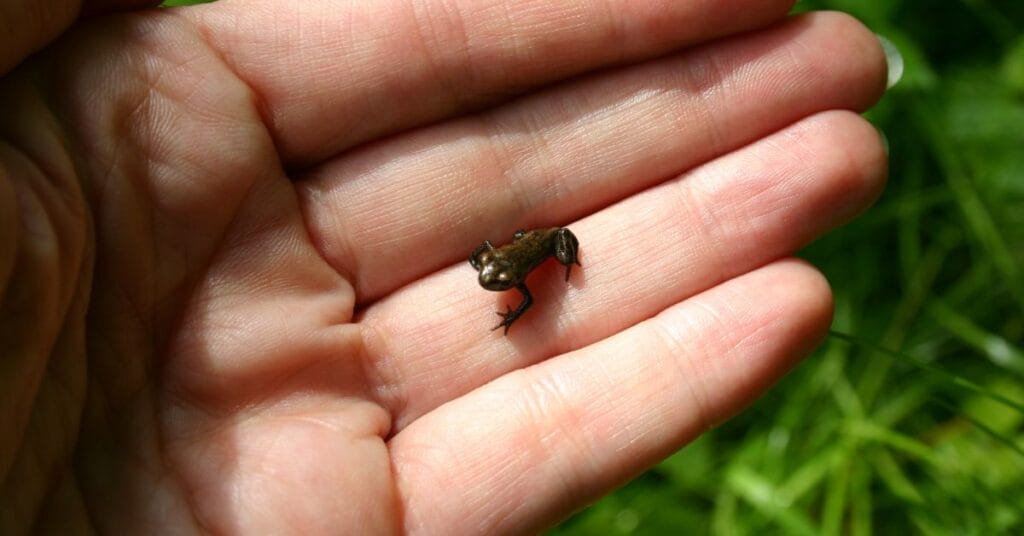
Every summer someone finds a fingernail-sized frog on the patio and wonders if it is a pet species.
It is almost certainly a juvenile toad or a young native tree frog, freshly out of the tadpole stage. They emerge in waves after rain.
Do not keep it. Beyond the legality question, it is adapted to your local climate cycle and a warm indoor tank confuses its entire year.
Photograph it, put it back in damp shade, and go buy a captive bred frog instead.
Five Mistakes That Kill Small Frogs
- Tap water. Chlorine kills through the skin. Dechlorinate everything, including misting water.
- Overhead heat lamps. They cook humidity out of the tank and desiccate the frog.
- Feeder insects that are too big. A cricket wider than the space between the frog’s eyes causes impaction.
- Skipping calcium dusting. Bone disease shows up slowly and is usually irreversible by the time you notice.
- Handling because it looks cute. Every touch strips the protective mucus layer.
Frequently Asked Questions
What is the smallest frog you can actually keep as a pet?
The strawberry dart frog at 0.7 to 0.9 inches, followed closely by thumbnail species like Ranitomeya imitator at about an inch. Both are advanced. The smallest beginner-appropriate frog is the green and black dart frog at 1 to 1.5 inches.
What is the easiest small frog to take care of?
The African dwarf frog if you want aquatic and cheap, or the Burmese chubby frog if you want a land frog. Both forgive beginner mistakes better than anything else here.
What is the best small frog for a 10-gallon tank?
A pair of green and black dart frogs or bumblebee dart frogs. They use floor space rather than height, which suits a standard 10-gallon footprint. Tree frogs need vertical space and should get an 18x18x24 instead.
Can a red-eyed tree frog live in a 10-gallon tank?
Not long term. They are arboreal and need height, so an 18x18x24 vertical terrarium is the practical minimum for a pair.
Are small pet frogs good for kids?
As a watch-only pet, yes. As a hold-and-cuddle pet, no. Frogs are display animals, and the ones small enough to seem kid-friendly are the ones most easily injured.
Do small frogs live shorter lives?
Not really. Dart frogs at an inch long routinely outlive 4-inch tree frogs, hitting 10 to 20 years. Size and lifespan are barely related in frogs. Our pet frog lifespan comparison has the species-by-species numbers.
Are captive bred dart frogs poisonous?
No. Their toxicity comes entirely from wild prey like alkaloid-carrying ants and mites. Captive frogs raised on fruit flies never develop any toxin at all.
What are tiny frogs called?
There is no single term, but hobbyists use “thumbnail frogs” for dart frog species under an inch, mainly the Ranitomeya genus. Scientists use “miniaturized frogs” for species under about 13 millimeters.
Where should I buy a small frog?
Dedicated amphibian breeders and reputable online specialists, not big-box pet stores. Ask for the species, the morph or locale, the hatch date, and whether it is captive bred. A real breeder answers all four without hesitating.
Final Words
Strip away the frogs you cannot buy and this list gets a lot more useful.
If you want easy, get an African dwarf frog or a Burmese chubby frog. If you want to stare at something gorgeous for the next fifteen years, get green and black dart frogs and build them a proper planted vivarium.
If you want a desert rain frog, want it from a distance. That one is not a pet, it is a wild animal that went viral.
And whatever you pick, buy captive bred. The frog lives longer, you deal with fewer problems, and no wild population pays for your hobby.
Now go look at all 19 types of pet frogs you can keep at home if you are open to the bigger species too, because a few of them are genuinely easier than the tiny ones.

About Author
Hello, I’m Muntaseer Rahman, the owner of AcuarioPets.com. I’m passionate about aquarium pets like shrimps, snails, crabs, and crayfish. I’ve created this website to share my expertise and help you provide better care for these amazing pets.
Disclaimer
This site is owned and operated by Muntaseer Rahman. AcuarioPets.com is a participant in the Amazon Services LLC Associates Program, an affiliate advertising program designed to provide a means for sites to earn advertising fees by advertising and linking to Amazon.com. This site also participates in other affiliate programs and is compensated for referring traffic and business to these companies.