This post was created with help from AI tools and carefully reviewed by a human (Muntaseer Rahman) . For more on how we use AI on this site, check out our Editorial Policy.
Check Out These FREE Tools We Made JUST For You!
Dart Frogs As Pets: Pros, Cons & What To Know Before You Buy
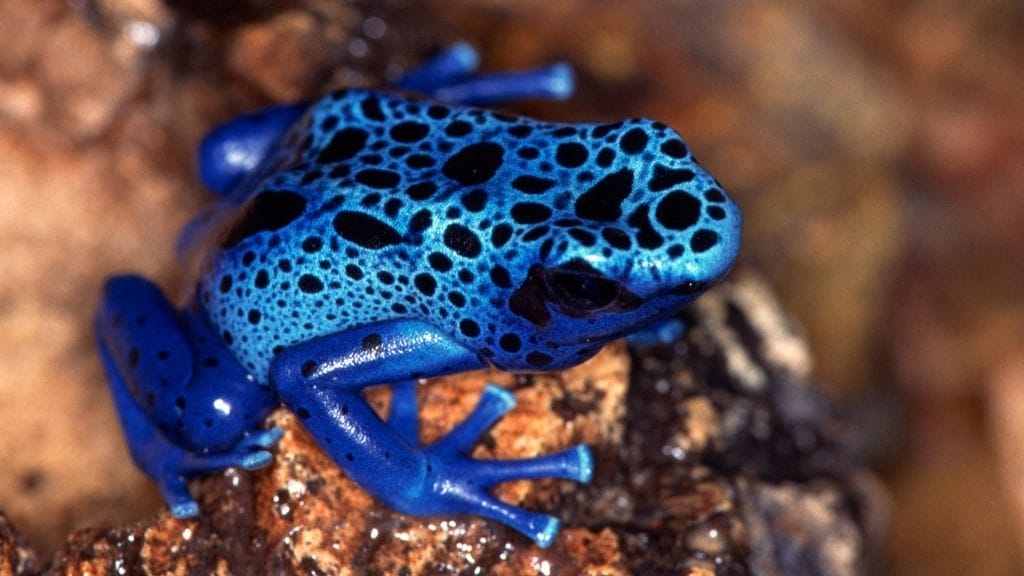
Picture this: a frog the size of a grape, decked out in colors so bright it looks like it was designed by a toddler with a box of highlighters.
Now imagine that tiny thing is technically one of the deadliest animals on the planet.
Wild, right?
Poison dart frogs have this insane reputation that scares people away from keeping them.
But here’s the thing — captive-bred dart frogs are completely non-toxic. Zero poison. Nada.
They lose their toxicity because they don’t eat the wild insects (ants, mites, termites) that give them their poison in the first place.
So yes, you absolutely can keep dart frogs as pets. And honestly? They make pretty awesome ones.
Let me walk you through everything — the good, the bad, and the slimy.
Quick Overview: Poison Dart Frogs At A Glance
| Category | Details |
|---|---|
| Scientific Family | Dendrobatidae |
| Common Names | Dart frog, poison dart frog, poison arrow frog |
| Adult Size | 0.75 – 2.5 inches (most species ~1.5 inches) |
| Diet | Insectivore (fruit flies, springtails, isopods) |
| Temperament | Peaceful but territorial with same species |
| Toxicity In Captivity | Non-toxic (captive-bred only) |
| Care Level | Intermediate (beginner-friendly species available) |
| Price Range | $40 – $100+ depending on species and morph |
| Lifespan | 8–15 years in captivity (some records of 20–25 years) |
| Activity | Diurnal (active during the day!) |
| Handling | Look-don’t-touch pets (hands-off) |
Pros Of Keeping Dart Frogs As Pets
Let’s start with the good stuff. And trust me, there’s a lot of it.

They’re Completely Harmless In Captivity
This is the big one everyone wants to know.
Wild dart frogs get their toxins from eating specific insects — certain ants, mites, and termites — that feed on toxic plants in South American rainforests.
Take away that diet, and the frog has no way to produce poison.
Captive-bred dart frogs have zero toxicity. Even wild-caught ones gradually lose their poison over time in captivity.
So no, your pet dart frog isn’t going to take you out. Not even close.
They’re Active During The Day
Most frogs are nocturnal. Meaning you set up this beautiful tank, buy a cool frog, and then… never see it because it only comes out at 2 AM.
Dart frogs are diurnal — they’re awake when you’re awake.
You’ll actually get to watch them hop around, hunt fruit flies, and explore every inch of their enclosure during normal human hours.
That alone makes them way more fun than most pet amphibians.
The Colors Are Absolutely Insane
There are over 170 species of dart frogs, and the color variety is unreal.
Electric blue. Neon yellow with black stripes. Metallic green. Strawberry red. Some look like they were painted by an artist having the best day of their life.
Each species and locale has unique patterns, so no two groups look exactly the same.
These frogs are basically living art that hops.
Low Maintenance Once Set Up
Here’s where dart frogs really shine compared to a lot of other exotic pets.
Once your vivarium is dialed in — right humidity, right temperature, live plants growing — your daily work is basically: mist the tank and toss in some fruit flies.
That’s it.
If you set up a bioactive enclosure with springtails and isopods, those little cleanup crews handle waste for you.
No scrubbing poop. No water dish changes. No complicated feeding schedules.
They’re Comfortable At Room Temperature
Most dart frogs thrive between 70–80°F (21–27°C).
For a lot of people, that’s just… room temperature.
No expensive ceramic heat emitters. No heat lamps running up your electric bill. If your house is comfortable for you, it’s probably comfortable for your dart frogs.
Just don’t let it get above 85°F for extended periods — that can actually be dangerous for them.
Simple Diet (But You’ll Be Raising Fruit Flies)
Dart frogs eat small, live insects. The main staple? Flightless fruit flies.
You can culture these at home in about 10 minutes per week. It’s cheap, easy, and once you get the rhythm down, it becomes second nature.
Other food options include springtails, isopods, bean beetles, and rice flour beetles.
Just make sure to dust the insects with calcium and vitamin D3 supplements before every feeding. This prevents metabolic bone disease, which is the #1 nutritional issue in captive dart frogs.
Long Lifespan
These little guys aren’t a short-term commitment.
Most dart frogs live 8–15 years in captivity with proper care.
Some species, like Dendrobates auratus, have been reported to live into their mid-20s.
That’s longer than most dogs. Think about that for a second.
Easy Breeding
If you get a male-female pair settled in and comfortable, don’t be surprised when you find eggs.
Dart frogs breed readily in captivity. Some species, like leucomelas and tinctorius, are known for being especially cooperative about it.
Breeding dart frogs is a whole hobby within the hobby — and if you’re into it, you can sell or trade the offspring.

Great For People With Allergies
No fur. No dander. No feathers.
If you’re allergic to cats, dogs, or basically anything fluffy, dart frogs are a solid alternative.
Zero risk of triggering allergies or asthma. Just a tiny, colorful amphibian chilling in a glass box.
The Vivarium Is A Showpiece
Let’s be real — half the fun of keeping dart frogs is building the enclosure.
A well-planted dart frog vivarium with live mosses, bromeliads, orchids, driftwood, and a drainage layer is basically a miniature rainforest sitting in your living room.
Guests will stop and stare. It’s a conversation starter that never gets old.
Cons Of Keeping Dart Frogs As Pets
Alright, fairness time. Dart frogs aren’t perfect for everyone. Here’s what you need to know before jumping in.
You Can’t Really Handle Them
This is probably the biggest dealbreaker for some people.
Dart frogs are strictly look-don’t-touch pets.
Their skin is super delicate and semi-permeable. Oils, lotions, soap residue — anything on your hands can get absorbed through their skin and make them sick.
Even clean hands can stress them out.
If you need to move one, use damp, powder-free gloves or gently herd them into a cup.
If you want a pet to cuddle with, a dart frog is not it. Get a dog.
Humidity Needs Are Non-Negotiable
Dart frogs need humidity levels around 80–100%, with daily fluctuations being natural and healthy.
This means misting at least once or twice a day (or getting an automatic misting system).
And you can’t just use any water. Tap water with chlorine or heavy minerals can harm them.
You’ll want to use reverse osmosis (RO) or distilled water for misting.
If your house is naturally dry, maintaining this humidity takes real effort.
Heat Can Kill Them
Dart frogs are cool-weather amphibians.
Temperatures above 85°F for extended periods can be fatal.
If you live somewhere with hot summers and no air conditioning, keeping dart frogs is going to be a real challenge.
Overheating is one of the top killers of captive dart frogs. It’s something you need to plan for.
They Only Eat Live Insects
You can’t just buy a bag of pellets and call it a day.
Dart frogs only eat live prey. Dead insects? They’ll walk right past them.
This means you’ll need a steady supply of flightless fruit flies, which means culturing them at home.
It’s not hard. But if you’re squeamish about bugs, or you forget to make cultures, your frogs will go hungry.
One Dendroboard user put it perfectly: “If you forget to make cultures, you’re in big trouble.”
The Upfront Cost Is Real
Dart frogs themselves run $40–$100+ per frog depending on species and morph.
But the frog is the cheap part.
A proper vivarium setup — glass enclosure (my pick: Exo Terra Glass Terrarium Kit), drainage layer, substrate, live plants, misting system, lighting — can easily run $200–$500+.
After that initial investment though, ongoing costs are pretty low. Fruit fly cultures cost almost nothing to maintain.
Never Mix Species
This is a big rule in the dart frog hobby that beginners sometimes learn the hard way.
You should never keep different species of dart frogs in the same enclosure.
Different species can crossbreed (which is unethical and weakens genetic lines), or they can fight.
Even different color morphs of the same species from different locales shouldn’t be mixed.
One species per tank. No exceptions.

Best Dart Frog Species For Beginners
Not all dart frogs are created equal. Some are hardy, bold, and forgiving of small mistakes. Others will punish you for looking at them wrong.
If you’re just starting out, stick with these three. The entire dart frog community agrees on them.
| Species | Common Name | Why It’s Great | Price Range |
|---|---|---|---|
| D. leucomelas | Bumblebee Dart Frog | Hardy, bold, loud pleasant call, does great in groups, tolerates temp swings | $50 – $85 |
| D. tinctorius | Dyeing Poison Dart Frog | Largest beginner species (~2″), tons of color morphs, bold and curious | $50 – $100 |
| D. auratus | Green & Black Dart Frog | Most commonly kept species, semi-arboreal, easy to breed, very hardy | $45 – $70 |
If someone on Dendroboard or Reddit asks “what’s a good first dart frog?” — these three names come up every single time.
D. leucomelas is probably the most beginner-proof of them all. They’re nicknamed “the cactus of the dart world” because they’re tough and resilient.
How To Set Up A Dart Frog Vivarium
Getting the enclosure right is 90% of dart frog care. Nail this, and everything else is easy.
Enclosure Size
The general rule is 5–10 gallons per frog, with a minimum of 10 gallons even for a single frog.
For a pair or small group, an 18×18×18 inch (or larger) glass terrarium is the standard.
Bigger is always better. A 36×18×18 gives your frogs more space to explore and makes the whole setup more stable.
The Layer Cake (Your Substrate Setup)
A proper dart frog vivarium is built in layers, from bottom to top:
| Layer | What It Does |
|---|---|
| 1. Drainage Layer | LECA clay balls or a false bottom — absorbs and drains excess water so your substrate doesn’t become a swamp |
| 2. Mesh Barrier | Weed mesh or screen — keeps the soil from mixing into the drainage layer |
| 3. Substrate | ABG mix or similar bioactive blend (tree fern fiber, peat moss, charcoal, bark) — holds moisture and supports plant growth |
| 4. Leaf Litter | Magnolia or oak leaves (my pick: Josh's Frogs Jackfruit Leaf Litter) on top — creates hiding spots, feeds microfauna, mimics the forest floor |
Plants
Live plants are a must. They help maintain humidity, give frogs hiding spots, and make the whole setup look incredible.
Safe plant options: pothos, philodendron, bromeliads, ferns, peperomia, orchids (for advanced keepers), and various mosses.
Avoid any plants treated with pesticides or chemical fertilizers. Those will harm your frogs.
Temperature & Humidity
Daytime temps: 72–80°F (22–27°C) with a slight drop at night.
Humidity: 80–100%, with natural daily fluctuations.
An experienced keeper on Dendroboard offered this practical advice: a well-planted, properly ventilated, regularly misted vivarium will naturally cycle between 60–80% humidity throughout the day. If your setup is right, you don’t need to obsess over exact numbers.
Mist once or twice daily with RO or distilled water. An automatic misting system saves time and keeps things consistent.
Lighting
Dart frogs don’t need special UV lighting to survive. But low-output UVB can support vitamin D3 production and overall health.
More importantly, you need a plant growth light (LED or T5) to keep your live plants alive. Bright light also encourages plant growth, which creates more cover and a better environment for the frogs.
Keep lights on a 10–12 hour cycle with a timer.
What Do Dart Frogs Eat?
Dart frogs are strict insectivores. They eat small, live insects and nothing else.
| Food Item | Role | Notes |
|---|---|---|
| Flightless fruit flies | Primary staple | Melanogaster (smaller) and hydei (larger). Culture at home weekly. |
| Springtails | Supplemental + cleanup crew | Seed them in the vivarium. They reproduce on their own and provide constant snacking. |
| Isopods (dwarf species) | Supplemental + cleanup crew | Break down waste and leaf litter. Dwarf species won’t compete with frogs. |
| Bean beetles / rice flour beetles | Variety | Good for diet diversity. Easy to culture. |
| Pinhead crickets | Occasional treat | Hard to find small enough. Grow fast. Not ideal as a staple. |
Feeding Schedule
Feed juveniles daily. Adults can be fed every other day.
A good rule of thumb is about a half teaspoon of dusted insects per adult frog per feeding.
Always dust with calcium + D3 supplement before feeding. Alternate with a multivitamin (my pick: Repashy SuperVite) every other feeding.
This supplement routine is critical. Without it, dart frogs can develop metabolic bone disease — and that’s not something you want to deal with.
Can You Touch A Dart Frog?
Technically, you can touch a captive-bred dart frog and nothing bad will happen to you.
But it’s bad for them.
Their skin is highly absorbent. Any residue on your hands — soap, lotion, sweat — can be absorbed directly into their body.
Handling also stresses them out, which weakens their immune system over time.
The golden rule: observe, don’t handle. If you absolutely must move a frog, use clean wet hands or damp powder-free gloves, and make it quick.

Common Mistakes New Dart Frog Owners Make
Learn from other people’s pain. Here are the mistakes that show up over and over in forums like Dendroboard:
Mixing species in the same tank. Cross-breeding ruins genetic lines and aggression can be deadly. One species per vivarium. Always.
Buying wild-caught frogs. They can carry parasites and diseases, and may retain actual toxins. Always buy captive-bred from a reputable breeder.
Skipping supplements. Calcium and vitamin D3 deficiency causes metabolic bone disease. Dust every feeding.
Using tap water. Chlorine, chloramine, and heavy minerals in tap water can harm amphibians. Use RO, distilled, or dechlorinated spring water.
Overheating the enclosure. Heat lamps, direct sunlight, or a hot room can push temps above safe limits fast. Monitor with a digital thermometer.
Not enough ventilation. High humidity doesn’t mean stagnant air. Dart frogs need airflow to stay healthy. If your tank is constantly fogged up with zero ventilation, you’ve got a problem.
Frequently Asked Questions
Are Poison Dart Frogs Hard To Keep?
Honestly? Once the vivarium is set up correctly, they’re one of the easier exotic pets to maintain.
The setup is the hard part. After that, your daily work is misting and feeding — maybe 5–10 minutes total.
That said, they’re not a “set it and forget it” pet. You need to monitor temperature and humidity consistently.
How Many Dart Frogs Can You Keep Together?
It depends heavily on the species.
Leucomelas and auratus can often be kept in small groups. Tinctorius are usually best kept in pairs to avoid territorial aggression.
A good starting point: 2–3 frogs in an 18×18×18 enclosure of the same species.
Always research the specific species before deciding on group size.
Can You Have Just One Dart Frog?
Yes. A single dart frog will do just fine on its own.
They’re not social animals that need companionship to thrive. A solo frog in a properly set up vivarium will be perfectly happy.
Do Dart Frogs Need A Water Bowl?
Not really. Dart frogs don’t drink water — they absorb moisture through their skin.
Regular misting provides all the hydration they need.
Some keepers add a very shallow water dish, but it’s not required. And standing water can become a drowning hazard for froglets or sick frogs.
Are Dart Frogs Legal?
In most places, captive-bred dart frogs are legal to keep.
However, some states, countries, or municipalities may have restrictions on keeping exotic amphibians. Always check your local laws before buying.
How Much Does It Cost To Keep Dart Frogs?
| Item | Estimated Cost |
|---|---|
| Dart frog (captive-bred) | $40 – $100+ per frog |
| Glass terrarium (18x18x18) | $80 – $150 |
| Drainage layer + substrate + leaf litter | $30 – $60 |
| Live plants | $20 – $50 |
| Misting system (manual spray bottle (my pick: ExtremeMist Reptile Mister 32 oz)) | $10 – $15 |
| Misting system (automatic) | $80 – $200+ |
| LED / plant growth light | $20 – $60 |
| Fruit fly cultures (ongoing) | $5 – $10/month if home-cultured |
| Supplements (calcium + vitamins) | $10 – $20 (lasts months) |
| Total Startup (estimate) | $300 – $700+ |
The startup cost is the big hit. After that, monthly costs are minimal — basically just fruit fly media and the occasional plant replacement.
Where To Buy Dart Frogs
Always buy captive-bred from reputable breeders.
Good sources include specialized breeders like Josh’s Frogs, Black Jungle Terrarium Supply, and Dart Frog Connection.
MorphMarket and Dendroboard classifieds are also solid places to find captive-bred frogs from hobby breeders.
You can also find them at reptile expos and exotic pet shows, where you can actually see the frogs in person before buying.
Avoid big-box pet stores for dart frogs. The quality and health of the animals is usually much better from specialist breeders.
Final Thoughts
So, can you keep dart frogs as pets? Absolutely.
They’re colorful, active during the day, non-toxic in captivity, relatively low maintenance after setup, and they can live over a decade.
The trade-off is that they’re hands-off pets, they need high humidity, they’re sensitive to heat, and you’ll be making fruit fly cultures for the foreseeable future.
But if you’re someone who gets excited about building a miniature rainforest in your living room and watching tiny, impossibly colorful frogs explore it every day — dart frogs might just be your perfect pet.
Start with a beginner-friendly species like leucomelas or tinctorius. Do your research. Set up the vivarium properly before the frogs arrive.
And enjoy the show. Because once you’ve got dart frogs, you’ll understand why people get obsessed with them.
About Author
Hello, I’m Muntaseer Rahman, the owner of AcuarioPets.com. I’m passionate about aquarium pets like shrimps, snails, crabs, and crayfish. I’ve created this website to share my expertise and help you provide better care for these amazing pets.
Disclaimer
This site is owned and operated by Muntaseer Rahman. AcuarioPets.com is a participant in the Amazon Services LLC Associates Program, an affiliate advertising program designed to provide a means for sites to earn advertising fees by advertising and linking to Amazon.com. This site also participates in other affiliate programs and is compensated for referring traffic and business to these companies.