This post was created with help from AI tools and carefully reviewed by a human (Muntaseer Rahman) . For more on how we use AI on this site, check out our Editorial Policy.
Check Out These FREE Tools We Made JUST For You!
Can You Hold a Pet Frog? Safe Handling Rules for Beginners
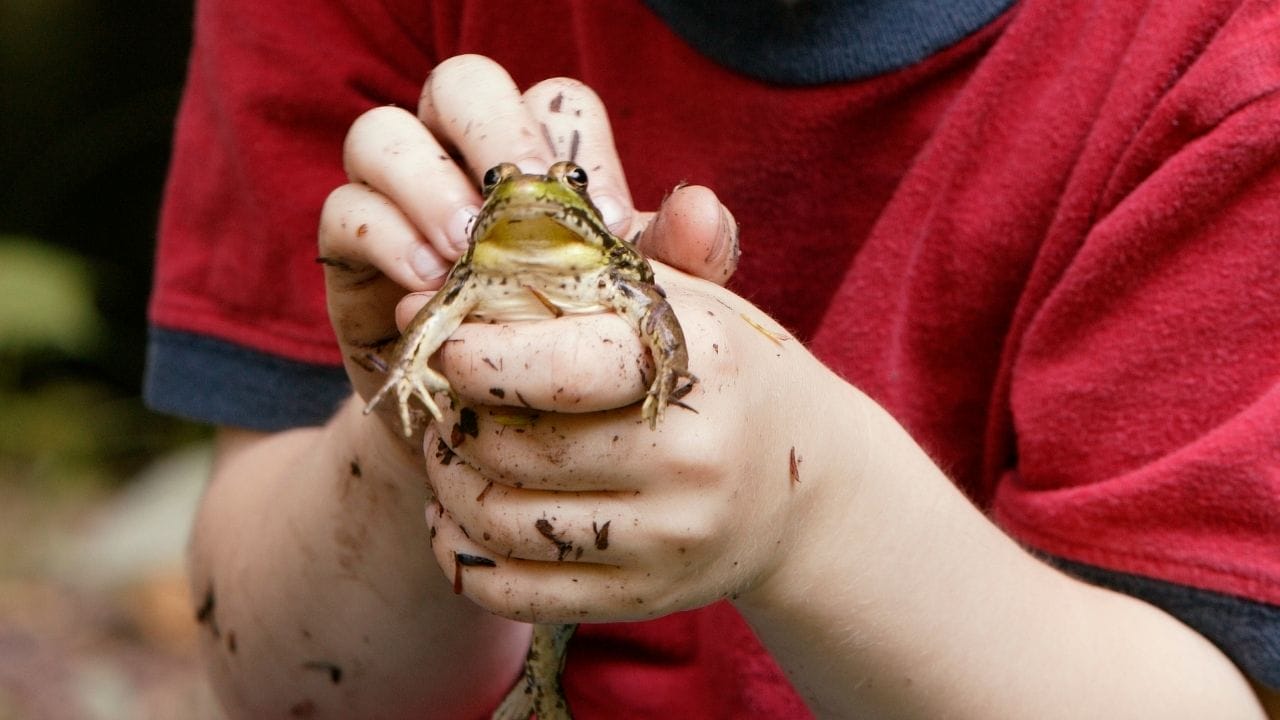
Every new frog owner feels it. That little face looks up at you, and you want to scoop it right out of the tank and give it a cuddle.
Here is the hard truth. Frogs are not cuddle pets.
They are a look, do not touch kind of animal. But there are real moments when you have to pick one up, like moving it, checking it for illness, or cleaning the tank.
So this guide covers the honest answer on handling pet frogs, when it is actually okay, and exactly how to do it without stressing or hurting your frog.

Can You Hold a Pet Frog?
You can hold a pet frog, but you should keep it rare and brief. A frog’s skin is thin and semi-permeable, so oils, soap, lotion, and salt from your hands pass straight into its body. For most pet frogs, handling should only happen when there is a real reason for it.
Think of frog skin less like our skin and more like a wet paper towel. It soaks up whatever it touches.
That is why frogs are usually kept as display pets. You enjoy watching them do their weird little frog things, not passing them around like a hamster.
Do Pet Frogs Like to Be Held?
No, pet frogs do not enjoy being held. Most frogs read handling as an attack, not affection. Even the calmer species tolerate it at best, they do not look forward to it.
There is no frog equivalent of a dog rolling over for belly rubs.
When you pick a frog up, its heart rate jumps and its stress hormones spike. It is not bonding with you. It is waiting for the scary giant to put it down.
Some frogs do get used to a keeper over time and struggle less. That is tolerance, not love, and it is worth being clear about the difference.

Why You Should Not Handle Frogs Too Often
There are three big reasons keepers keep handling to a minimum.
1. Their skin absorbs everything. Soap residue, hand sanitizer, sunscreen, bug spray, and natural skin oils can all seep in and poison your frog. Even lotion you put on hours ago can leave a film.
2. It stresses them out. Chronic stress weakens a frog’s immune system and can lead to illness or a shorter life. Constant handling is one of the quiet reasons pet frogs get sick, which we cover more in why frogs die suddenly.
3. Salmonella goes both ways. Frogs and other amphibians can carry salmonella without looking sick at all. A CDC investigation tied to African dwarf frogs sickened 241 people, and about 69 percent of them were kids under 10. You will not catch anything if you wash up properly, but it is a real reason to respect the animal and the sink.
So the rule of thumb is simple. Handle only when there is a reason, and wash your hands the second you are done.
When You Actually Need to Handle a Pet Frog
Handling is not always avoidable. Here are the legit reasons to pick your frog up:
- Moving it to a temporary container while you clean the tank
- Taking it to the vet or transferring it to a new enclosure
- Checking it up close for signs of illness, injury, or weight loss
- Getting it out of danger, like an escape or a tank accident
- Occasional short, gentle contact with species that genuinely tolerate it
Notice what is not on the list. Showing it off to friends, daily play sessions, and photo shoots do not count.
How to Safely Handle a Pet Frog
When you do have to handle your frog, the goal is zero chemicals and zero squeezing. Here is how to do it right.

1. Handling With Your Hands
First, wash your hands with plain lukewarm water only. Skip the soap, or if you must use it, rinse until there is no trace of foam or scent.
Do not touch anything else after washing. No phone, no doorknob, no bug spray.
Now here is the part people forget. Keep your hands wet the whole time. Dry hands pull moisture off the frog’s skin, which is exactly what you do not want.
Then gently scoop the frog from below. Never grab, pinch, or squeeze it. Let it sit on your open palm instead of trapping it in your fist.
2. Wearing Gloves
An even safer option is fresh, powder-free nitrile or vinyl gloves. Never use powdered gloves, since the powder irritates frog skin.
Rinse the gloves with clean water first to get them damp and remove any residue. Then scoop the same gentle way.
Gloves protect the frog from your skin oils and protect you from salmonella and any toxins the frog secretes. Wash your hands afterward anyway, gloves are not an excuse to skip it.
3. The Cup or Container Method
For frogs that panic or for aquatic species, skip skin contact completely. Coax the frog into a clean, wet plastic container, cup, or scoop.
This is the pro move for transport and tank cleaning. It is the least stressful option for both of you, and there is no chemical risk at all.
A soft, wet aquarium net works too, especially for water frogs. Keep it damp and place your hand under it so the frog does not tumble.
Here is a quick cheat sheet.
| Method | Best for | Watch out for |
|---|---|---|
| Bare wet hands | Calm terrestrial frogs, quick checks | Dry hands, soap or lotion residue |
| Damp gloves | Most frogs, extra safety, kids nearby | Never use powdered gloves |
| Cup or container | Nervous frogs, aquatic frogs, transport | Keep it clean and wet |
| Wet net | Water frogs, escapees | Support from underneath so it cannot fall |
Which Pet Frogs Tolerate Handling Best?
Some frogs handle contact far better than others. White’s tree frogs (also called dumpy tree frogs) are the classic pick. They are chunky, mellow, and slow moving, so they tend to sit calmly for a short handling session.
Other beginner frogs that cope reasonably well include some tree frogs and larger, sturdy ground frogs. For a full breakdown, see our list of the best pet frogs for handling.
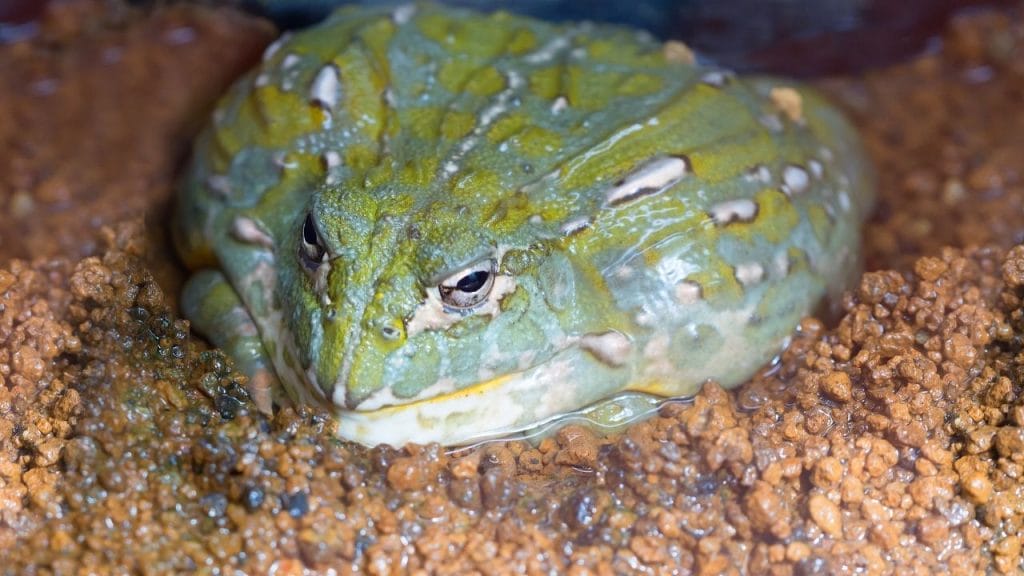
A quick word on African bullfrogs. They are big and tough, but they can be grumpy and deliver a real bite, so they are not the gentle handling pet some people expect.
Whatever the species, the rules do not change. Clean wet hands or gloves, short sessions, and never a daily habit. New to this? Start with our guide to the types of pet frogs you can keep at home.
Are Poison Dart Frogs Safe to Touch?
This one gets misreported constantly, so let us set it straight.
Wild poison dart frogs get their toxins from their diet of certain ants, mites, and beetles. Captive-bred dart frogs are fed fruit flies and crickets, so after a generation they lose their toxicity and are essentially harmless to touch.

So the pet dart frog in a hobbyist tank is not going to poison you. The truly lethal reputation belongs to wild frogs like the golden poison frog, which you are never going to meet in a pet store.
That said, you still should not handle dart frogs casually. Their skin is delicate, they stress easily, and your hand oils can hurt them. Curious about keeping them? Read dart frogs as pets before you buy.
Can You Handle Chubby Frogs?
It is best not to handle chubby frogs (Asian painted frogs). They are shy, slow to settle into a new home, and they secrete a sticky, glue-like substance when they feel threatened.
That goo is not dangerous to you, but it is unpleasant and it means the frog is scared.
Give a new chubby frog a few weeks to settle before you even think about handling it. Then keep it to real emergencies only.
Can You Hold Aquatic Water Frogs?
Avoid handling fully aquatic frogs like African clawed frogs and African dwarf frogs. They breathe and move best in water, they are extremely slippery, and they injure easily when they thrash to escape your grip.

For these frogs, the cup or net method is the only way to go. Guide them into a container underwater and move the whole thing.
If you keep them, our African clawed frog care guide covers safe tank moves in more detail.
Why Do Frogs Scream When You Touch Them?
That startling little shriek is not anger, it is fear. When a frog screams as you pick it up, it is trying to scare off what it thinks is a predator, which in that moment is your hand.
Some frogs go stiff or play dead instead. Others puff up to look bigger.
All of it is a stress response. If your frog screams, set it down gently and give it space. It is telling you it is not okay.
Does Picking Up a Frog Hurt It?
Done gently, no. Done wrong, absolutely.
Squeezing a frog can cause internal injuries and broken bones, and a hard drop can kill it. Their bodies are soft and their bones are fragile.
This is why kids and quick, careless grabs are the real danger. Support the frog from below, keep your grip loose, and stay low to the ground so a jump does not end in a fall.
Can Kids Handle Pet Frogs?
Only with close adult supervision, and honestly, as little as possible.
The CDC lists children under 5 as high risk for serious salmonella infections, and kids are the ones most likely to squeeze a frog or forget to wash their hands. That is a bad combination.
If a child does help, an adult should manage the whole thing, use gloves, and supervise handwashing right after. Never let a young kid clean the frog’s tank.
What Happens If a Frog Pees on You?
Relax, the old wart myth is nonsense. Frog pee does not give you warts, and a splash on healthy skin is harmless. Warts come from a human virus, not from frogs or toads.
The only real caution is if the urine gets into an open cut, so wash up if that happens. More on the myth here: does frog pee cause warts and what it means when a frog pees on you.
Quick Do’s and Don’ts of Handling Pet Frogs
| Do | Don’t |
|---|---|
| Wash hands with plain water and keep them wet | Use soap, sanitizer, or lotion before handling |
| Wear fresh powder-free gloves for extra safety | Use powdered gloves or dirty hands |
| Scoop gently from below | Grab, pinch, or squeeze |
| Use a cup or net for nervous and aquatic frogs | Handle water frogs with bare dry hands |
| Keep sessions short and rare | Make handling a daily habit |
| Wash up right after every time | Let kids handle unsupervised |
Final Words
You can absolutely enjoy your pet frog. You just do it mostly with your eyes, not your hands.
Handle only when there is a real reason, keep it short, keep your hands clean and wet, and put the frog back the moment it seems stressed.
Do that, and your frog stays healthy, calm, and around for years. That is a far better deal than a quick cuddle it never wanted in the first place.


About Author
Hello, I’m Muntaseer Rahman, the owner of AcuarioPets.com. I’m passionate about aquarium pets like shrimps, snails, crabs, and crayfish. I’ve created this website to share my expertise and help you provide better care for these amazing pets.
Disclaimer
This site is owned and operated by Muntaseer Rahman. AcuarioPets.com is a participant in the Amazon Services LLC Associates Program, an affiliate advertising program designed to provide a means for sites to earn advertising fees by advertising and linking to Amazon.com. This site also participates in other affiliate programs and is compensated for referring traffic and business to these companies.