This post was created with help from AI tools and carefully reviewed by a human (Muntaseer Rahman) . For more on how we use AI on this site, check out our Editorial Policy.
Check Out These FREE Tools We Made JUST For You!
Desert Rain Frog Care Guide: Tank, Diet, Humidity & Why It Screams

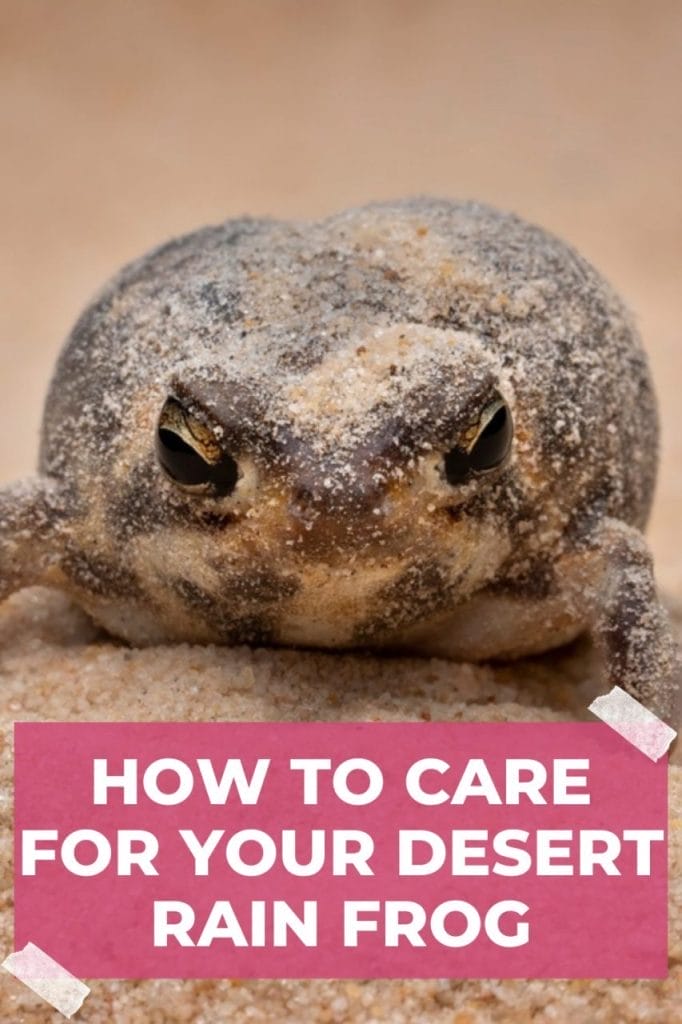
The desert rain frog (Breviceps macrops) needs a 10-gallon tank with at least 3 inches of moist sand and coconut fiber (my go-to substrate base), 75 to 85 percent humidity, and temperatures between 70 to 80°F. They eat small live insects every 2 to 3 days and live 4 to 6 years on average in captivity, with a few reaching 10 years.
Before anything else: most desert rain frogs are not legal or ethical to own outside South Africa and Namibia. They are protected, almost never bred in captivity, and the cute “screaming” video that made them famous shows a wild animal, not a pet.
This guide covers the tank setup, humidity, diet, the famous scream, the legal situation, common health issues, and the questions buyers actually search for. Read it first, decide second.
Quick Desert Rain Frog Care Summary
- Scientific name: Breviceps macrops
- Tank: 10 gallon minimum
- Temperature: 70 to 80°F
- Humidity: 75 to 85% (mist daily)
- Substrate: Moist sand mixed with coconut fiber, 3+ inches deep
- Diet: Small live insects every 2 to 3 days
- Lifespan: 4 to 6 years typical, up to 10 with excellent care
- Handling: Avoid, very delicate skin
- Difficulty: Advanced, not for beginners
- Conservation status: Vulnerable (IUCN)
Why Desert Rain Frogs Scream
The viral 2013 video by Dean Boshoff is what put this frog on everyone’s radar. The high-pitched squeak sounds exactly like a dog’s chew toy.
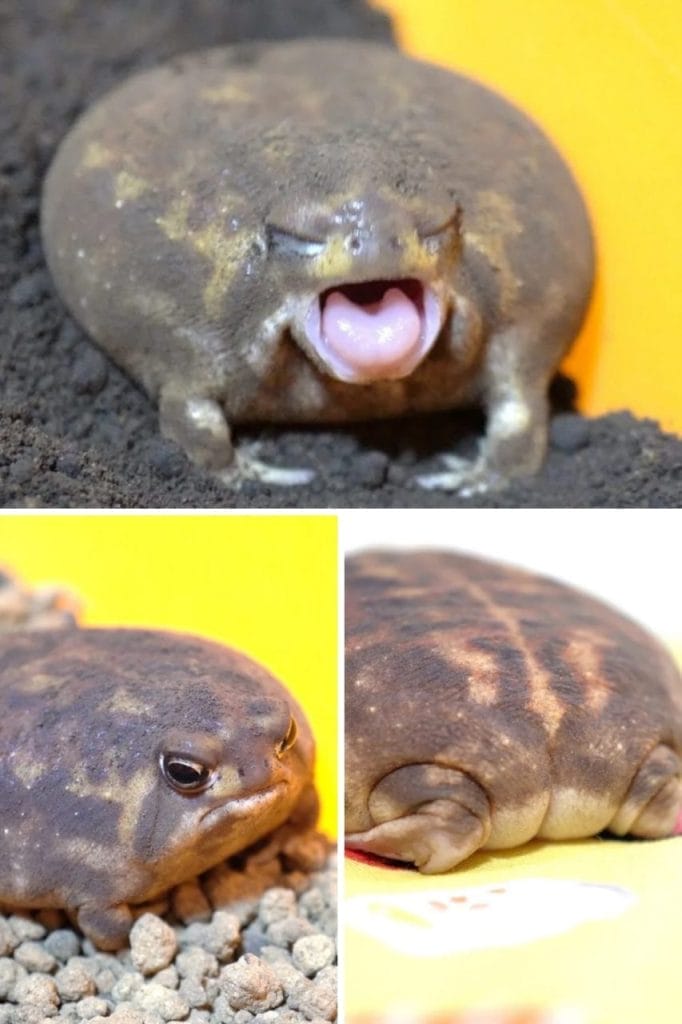
That sound is a defensive distress call. When the frog feels cornered or threatened, it puffs up to look bigger and lets out the squeak to scare predators away.
It is not a happy sound, and it is not a song. A pet frog that squeaks at you is stressed.
If you ever hear it from your own frog, back off and stop whatever you were doing. Repeated stress weakens their immune system fast.
Are Desert Rain Frogs Legal to Own?
In short, mostly no. Breviceps macrops is native only to a narrow strip of coastal dunes in South Africa and Namibia.
South Africa lists the species as protected wildlife, and exporting one requires a CITES-style permit that is almost never granted for the pet trade. Namibia also restricts collection.
That means almost every desert rain frog offered for sale in the US, EU, or UK is either wild caught and smuggled, or labeled as “captive bred” without proof. The IUCN currently lists Breviceps macrops as Vulnerable, with habitat loss from coastal development as the main threat.
If you are in South Africa or Namibia, you may be able to keep one legally with the right permit. If you are anywhere else, the honest answer is that buying one almost certainly funds the wild trade.
A more sustainable option is one of the related species you can read about in our Cape rain frog care guide, Mozambique rain frog care guide, or Bushveld rain frog guide, or our Black Rain Frog care guide.
Where Captive-Bred Desert Rain Frogs Actually Stand
You will see the phrase “captive bred desert rain frog” in seller listings. Treat it with skepticism.
There is no established commercial captive breeding program for Breviceps macrops anywhere in the hobby. A handful of private keepers have reported eggs, but successful captive lines that produce regular clutches do not exist as of 2026.
That means if you find one for sale, you should ask three questions:
- Where was the frog born, with photos or video of the parents?
- What permits cover it, and can the seller show them?
- What did it eat in the previous month?
If any answer is vague, walk away. Prices for the few legitimate animals tend to run from $300 to $600, and unverified ones are often cheaper, which is the opposite of what you would expect for a “rare captive bred” animal.

Are Desert Rain Frogs Good for Beginners?
No. They look like a beginner-friendly pet because they are small and famous on the internet, but they are advanced level.
Here is the honest list of why they are hard:
- Specialized humidity that needs daily attention, not a weekly check.
- Live food only. No pellets, no shortcuts.
- Nocturnal, so most of your “interaction” happens after lights out.
- Hands off. They are an observation pet, not a handling pet.
- Sourcing problem that adds ethics and legality to every purchase.
If this is your first frog, start with a White’s tree frog or one of the small species in this list, then come back to rain frogs once you have a year of keeping under your belt. If you’re set on the grumpy-burrowing look but want something actually accessible, our full rain frog species overview ranks every Breviceps by care difficulty and pet-trade availability.
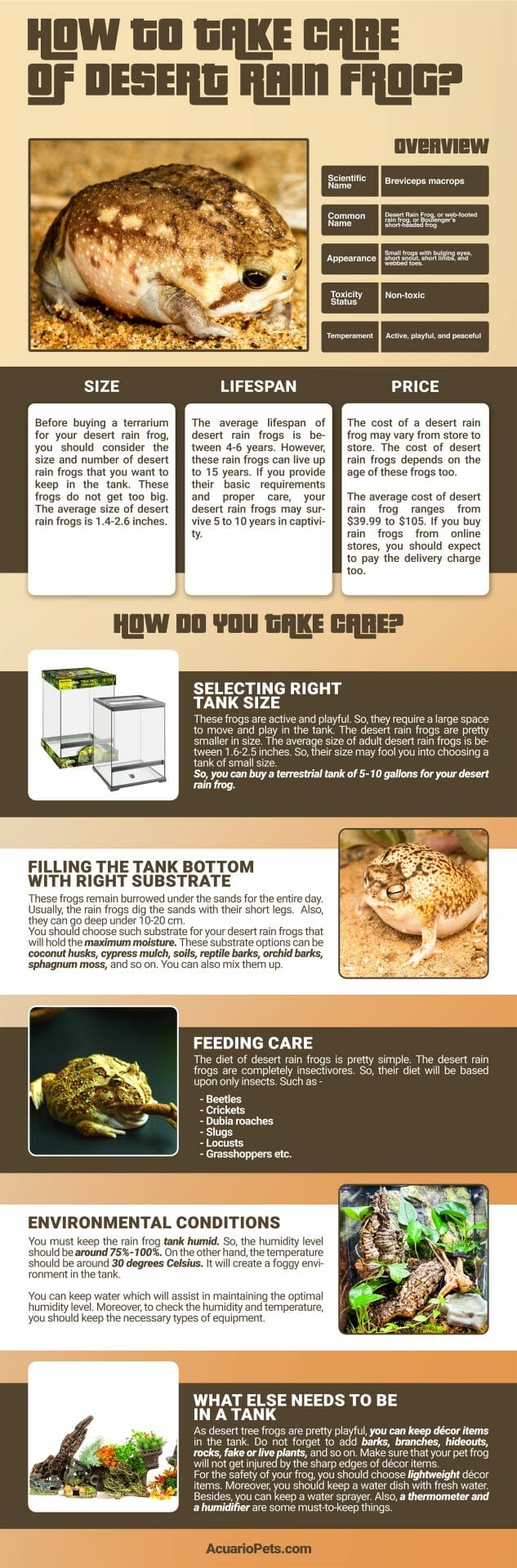
Want to get a printable version of this infographic? Click here! [If you want to use this infographic on your website, please link back to this post as the source!]
Meet the Desert Rain Frog
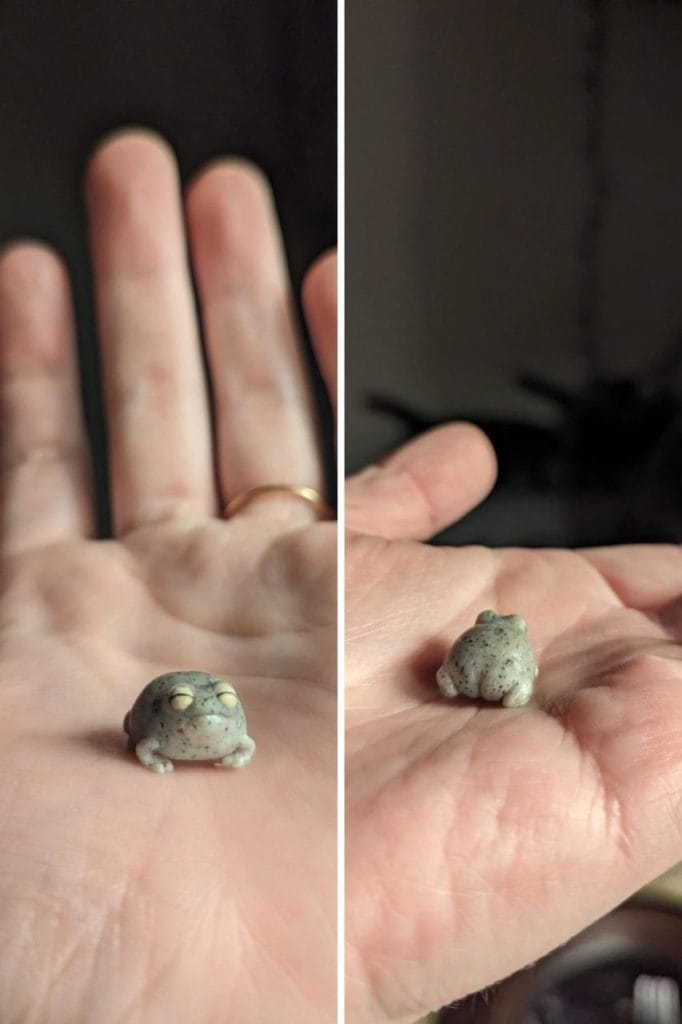
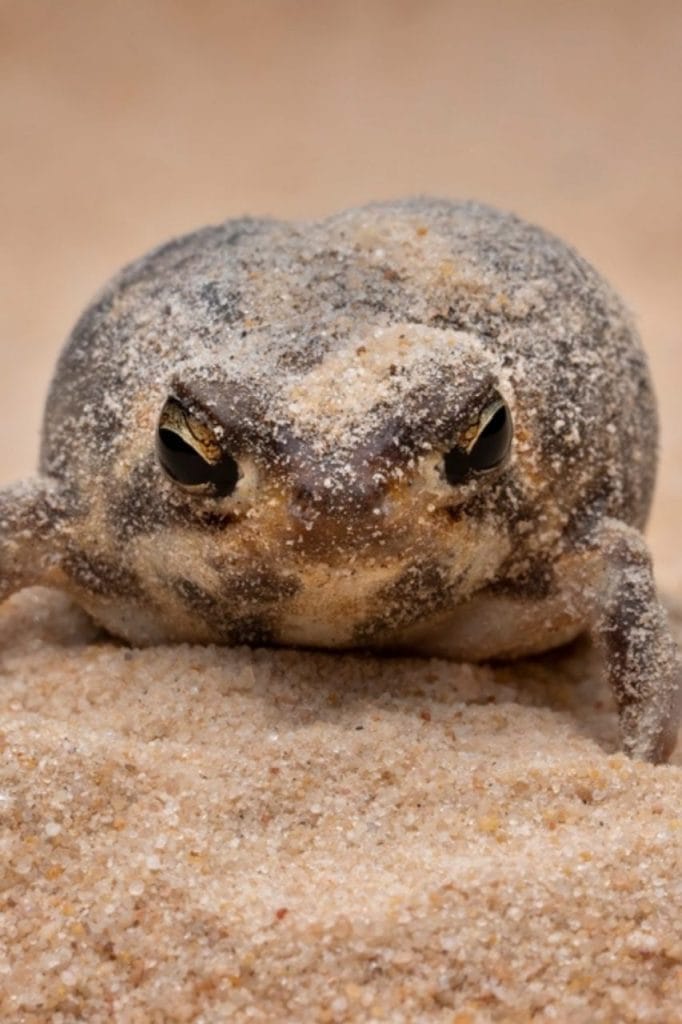
Breviceps macrops is a tiny burrowing frog from the Namib coast. They look like a grumpy marshmallow with stubby legs.
Where they come from
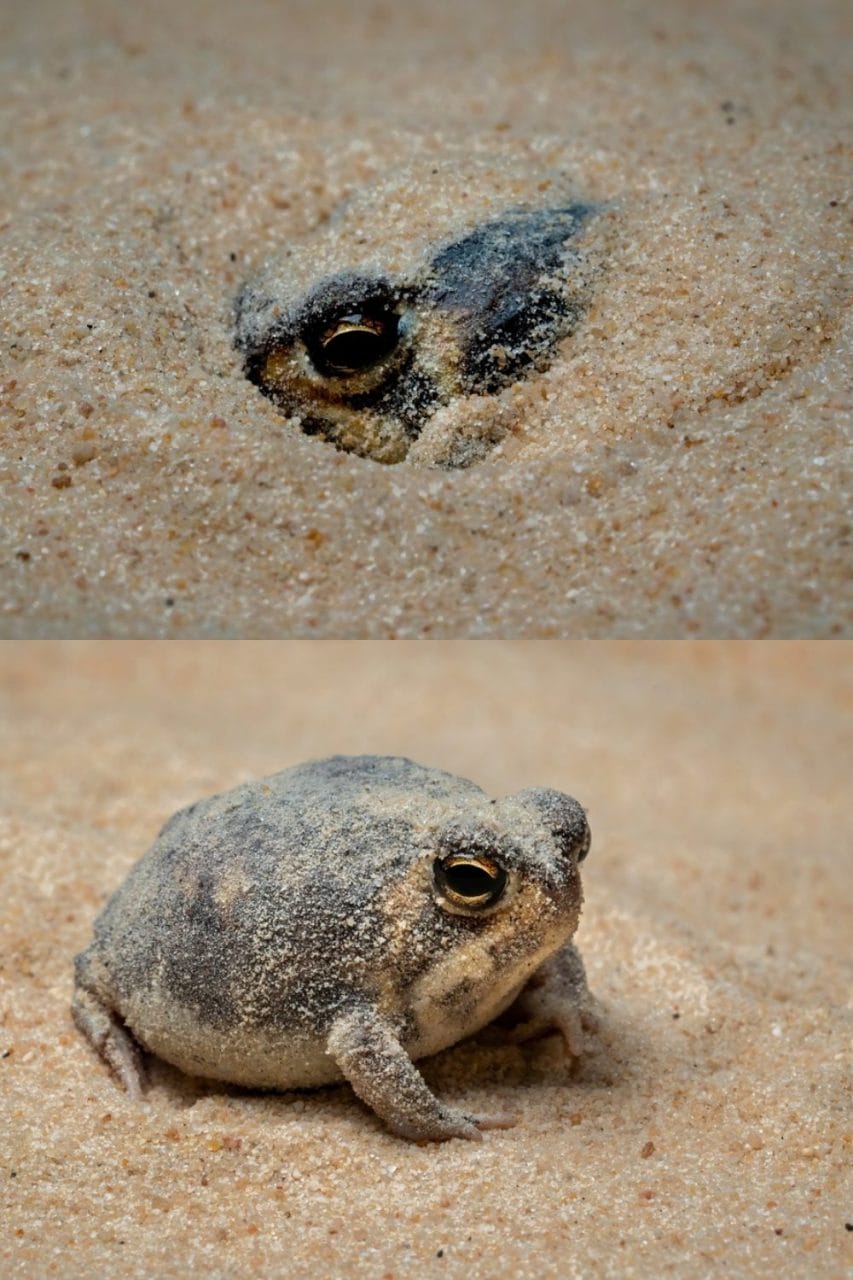
They live in the coastal sand belt of South Africa and southern Namibia. The Atlantic fog rolls in nightly, and that fog is what keeps the sand damp.
This is a key point for setup. They are not “desert” frogs in the Sahara sense, they are coastal fog-zone frogs.
Size and lifespan
- About 1.5 to 2.5 inches long
- A few grams in weight
- 4 to 6 years lifespan in captivity is the realistic average
- Up to 10 years has been reported in ideal care
Behavior
- Strictly nocturnal, sleeps buried during the day
- Burrows backwards into damp sand using its hind legs
- Squeaks when disturbed, otherwise silent
- Does not climb, does not swim well
Why the grumpy face
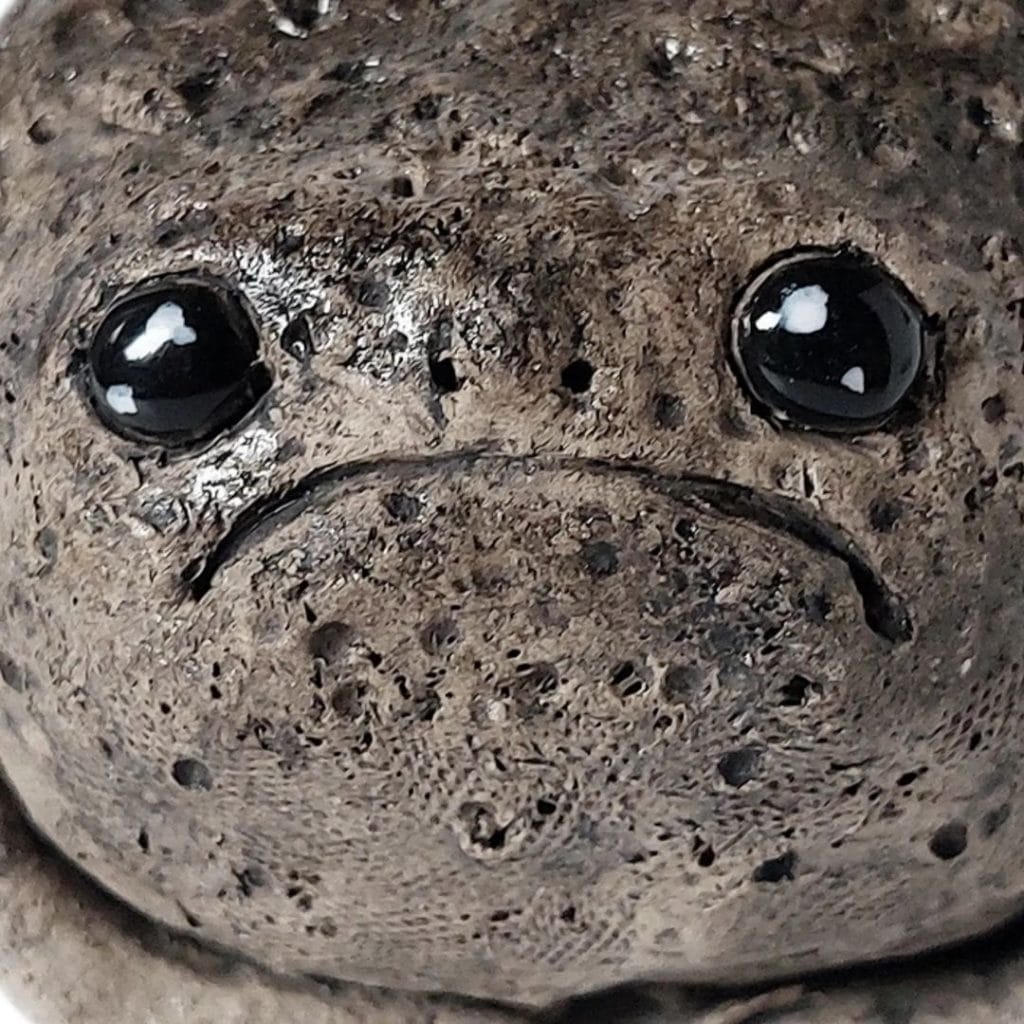
The downturned mouth is just how their skull is shaped. It is not a mood, it is bone structure.
Setting Up the Tank
The goal is a sand-belt fog zone in a glass box. Damp, ventilated, dark, and cool.
Tank size
- 10 gallons is the minimum for a single adult.
- 15 to 20 gallons is better if you want to plant more hides.
- A long, low tank beats a tall one because they do not climb.
Substrate
This is the part most people get wrong. They need deep, damp, diggable sand.
- Best mix: 70 percent fine play sand, 30 percent coconut fiber, mixed and lightly packed.
- Depth: 3 inches minimum, 4 to 5 is better.
- Avoid: dry loose sand, gravel, calci-sand, bark chips. All of these can cause impaction.
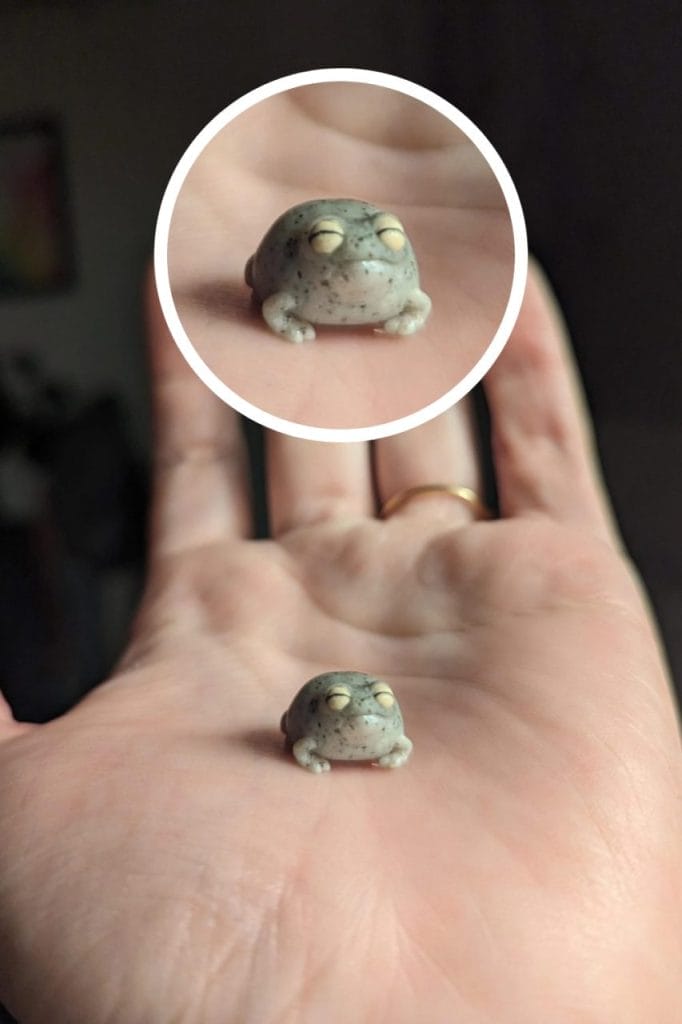
A handy test: squeeze a fistful. If it holds shape and a drop or two of water beads on your hand, it is right. If water pours out, it is too wet.
Temperature and humidity
- Temperature: 70 to 80°F day, can dip to 65°F at night.
- Humidity: 75 to 85%, measured with a digital hygrometer (the combo gauge I keep on the screen) not the cheap dial type.
- How to hold humidity: mist the substrate edges every evening, not the frog itself.
Avoid placing a heat lamp directly above. These frogs come from a cool fog zone, not a desert basking spot. A low-wattage ceramic heat emitter on a thermostat is safer than any bulb.
Lighting
No UVB is required for Breviceps macrops, since they are fully nocturnal and burrow during daylight.
A low-output 2 to 4 percent UVB tube on a 6 hour timer is optional and may help calcium absorption, but skip it if your tank runs warm. Total darkness during the day from being buried is normal.
Hides and decor
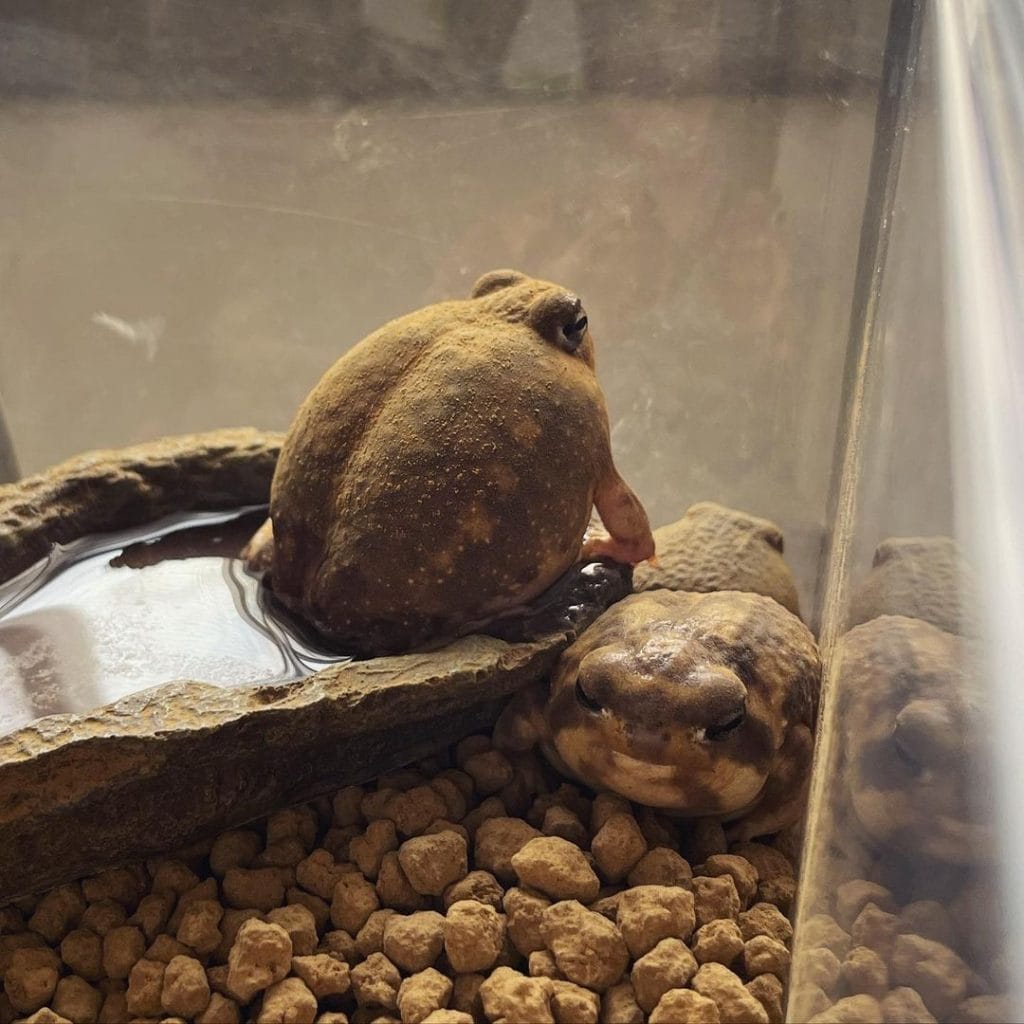
- 1 to 2 small caves or cork bark slabs at the surface.
- Fake plants only. Live plants do not survive the digging.
- A flat shallow water dish, no deeper than the frog’s body. They drink through the skin, not by mouth.
Cleaning schedule
- Daily: spot remove waste and uneaten insects, top up moisture.
- Weekly: stir the top inch of substrate, wipe glass.
- Every 2 to 3 months: full substrate replacement.
Do not let the tank sit damp without airflow. That is how mold and bacterial blooms start.
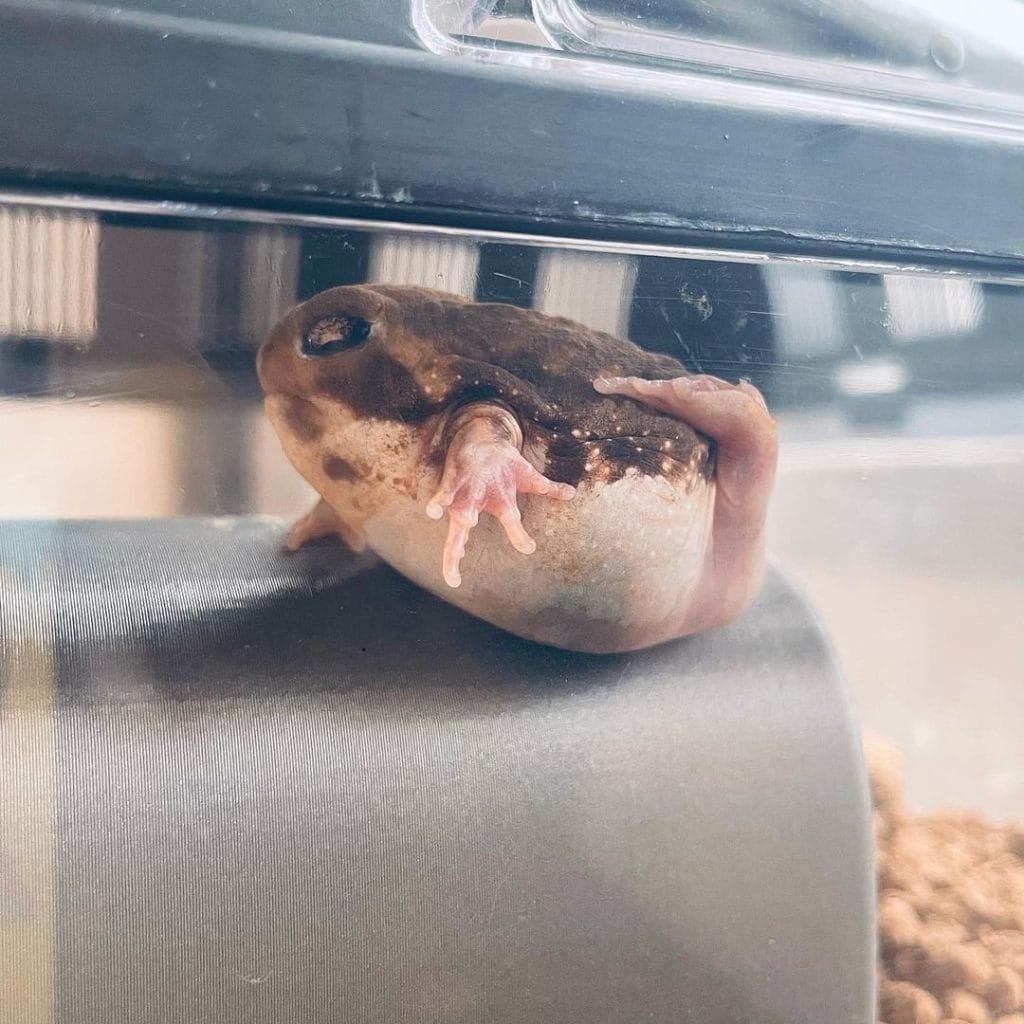
Need To Talk With A Vet Right Now?

Handling and Interaction
Short version: do not handle them unless you have to.
Why hands-off is the rule
Their skin absorbs everything it touches. Hand soap residue, hand cream, even tap water that has chlorine in it can damage the skin in minutes.
They also stress fast. A single stressful handling session can drop their appetite for a week.
When you must pick one up
For tank cleaning, vet visits, or moving the frog, follow this:
- Rinse hands with dechlorinated water, no soap.
- Use damp nitrile gloves or a soft scoop.
- Hold for under 30 seconds.
- Support the body, never grip.
How to enjoy them without holding
- Watch the evening burrow routine after the lights drop.
- Listen for the soft squeaks at feeding time.
- Photograph them through the glass with a long lens.
- Build out the habitat with new hides and watch them claim each one.
A desert rain frog is a “watch and admire” pet, similar to a dart frog. If you want a hands-on amphibian, look at the African clawed frog instead.
Diet and Feeding
They are pure insectivores. No fruit, no veg, no pellets.
What to feed
- Crickets as the staple, gut-loaded for 24 hours before feeding.
- Small dubia roach nymphs for variety.
- Black soldier fly larvae once a week for natural calcium.
- Wax moths or small silkworms as occasional treats.
- Termites if you can source them, this matches their wild diet.
All insects should be no wider than the space between the frog’s eyes. Bigger than that and you risk a digestive blockage.
What NOT to feed
| Food | Why to avoid |
|---|---|
| Fireflies | Toxic, can kill in minutes |
| Wild caught bugs | Pesticides, parasites |
| Mealworms (large) | Hard chitin causes impaction |
| Pinkie mice | Way too big and fatty |
| Anything from the garden | Pesticide residue is not visible |
Supplements
- Calcium with D3: dust insects twice a week.
- Multivitamin: dust once every 10 days.
Keep a small dish of plain calcium powder (my daily dusting pick) in the tank as a free-choice option. Most rain frogs will lick it on their own when they need it.
Feeding schedule
| Age | Frequency | Amount |
|---|---|---|
| Juvenile under 6 months | Every day | 2 to 3 small insects |
| Adult 6 months to 3 years | Every 2 to 3 days | 3 to 5 small insects |
| Older adult 3+ years | Every 3 to 4 days | 2 to 3 small insects |
Feed at night when they are naturally active. Tong-feed in front of a hide if the frog is shy, never drop bugs on top of a buried frog.
Common Health Issues
Most desert rain frog problems trace back to humidity, substrate, or stress. Catch them early and they are fixable.
Dehydration
Wrinkled skin, sunken eyes, sluggish movement.
Fix: check the hygrometer, mist the substrate edges, and provide a shallow dechlorinated water dish for a soak. If the frog does not perk up in 24 hours, see a vet.
Impaction
Bloated belly, no appetite, no waste for several days.
Cause: loose dry sand or oversized prey. Fix: warm shallow water soaks for 15 minutes a day, and switch substrate to the moist sand and coconut fiber mix.
Skin infections (red leg, fungal patches)
Red blotches on the legs and belly, white fluffy spots, or a sour smell from the tank.
Cause: dirty wet substrate with no airflow. Fix: vet visit for antibiotic or antifungal treatment, full substrate replacement, and review of ventilation.
Metabolic bone disease
Soft jaw, twitching, or weak hind legs.
Cause: missed calcium dusting over weeks or months. Fix: vet visit, restart proper supplement schedule, never skip the dust.
Stress
Hides constantly, refuses food, squeaks when you walk by the tank.
Cause: too much handling, room noise, vibrations, or a tank in a high-traffic area. Fix: move the tank to a quiet corner, cut handling, give the frog 7 to 10 days of being left alone.
If you want a deeper checklist of supplies that prevent most of these issues, see our pet frog essentials guide.
Frequently Asked Questions
Are desert rain frogs real or AI?
They are real. The viral squeaking video from 2013 by Dean Boshoff is genuine footage of a wild Breviceps macrops in South Africa.
Why does the desert rain frog scream?
It is a defensive distress call. The squeak makes the frog sound bigger and scarier than its 2 inch body, which can deter snakes and small mammals.
Are desert rain frogs legal to own in the US?
In most states there is no specific ban, but federal CITES rules and South Africa’s export restrictions make legal imports almost impossible. Most animals sold in the US are of questionable origin.
How much does a desert rain frog cost?
Verified animals tend to be $300 to $600 when available. Cheaper listings are usually wild caught or mislabeled, which is a red flag, not a deal.
Can desert rain frogs swim?
Not really. They are poor swimmers and can drown in deeper water, so the dish should always be shallower than their body height.
Do they need UVB?
Not strictly. They are nocturnal burrowers, so most keepers skip UVB and rely on dusted insects for calcium and D3.
Can two desert rain frogs live together?
It is not recommended outside of a planned breeding setup. They are solitary burrowers, and pairing them in a 10 gallon tank causes stress.
What is the lifespan of a desert rain frog?
Realistically 4 to 6 years in captivity. The “up to 10 years” number gets repeated online but is the upper end with excellent husbandry.
Final Thoughts
A desert rain frog is a beautiful, weird, demanding little animal that almost no one outside South Africa should be buying right now.
If you live in their native range and have the permits, you can build a great long term setup with the husbandry above. If you live anywhere else, the kindest thing you can do for Breviceps macrops as a species is to admire the videos, support coastal habitat conservation, and keep one of the more sustainable rain frog species instead.
Either way, you now have the full picture, the famous scream included.

About Author
Hello, I’m Muntaseer Rahman, the owner of AcuarioPets.com. I’m passionate about aquarium pets like shrimps, snails, crabs, and crayfish. I’ve created this website to share my expertise and help you provide better care for these amazing pets.
Disclaimer
This site is owned and operated by Muntaseer Rahman. AcuarioPets.com is a participant in the Amazon Services LLC Associates Program, an affiliate advertising program designed to provide a means for sites to earn advertising fees by advertising and linking to Amazon.com. This site also participates in other affiliate programs and is compensated for referring traffic and business to these companies.