This post was created with help from AI tools and carefully reviewed by a human (Muntaseer Rahman) . For more on how we use AI on this site, check out our Editorial Policy.
Check Out These FREE Tools We Made JUST For You!
Caridina Shrimp Care: Complete Guide To Bee, Tiger & Taiwan Varieties
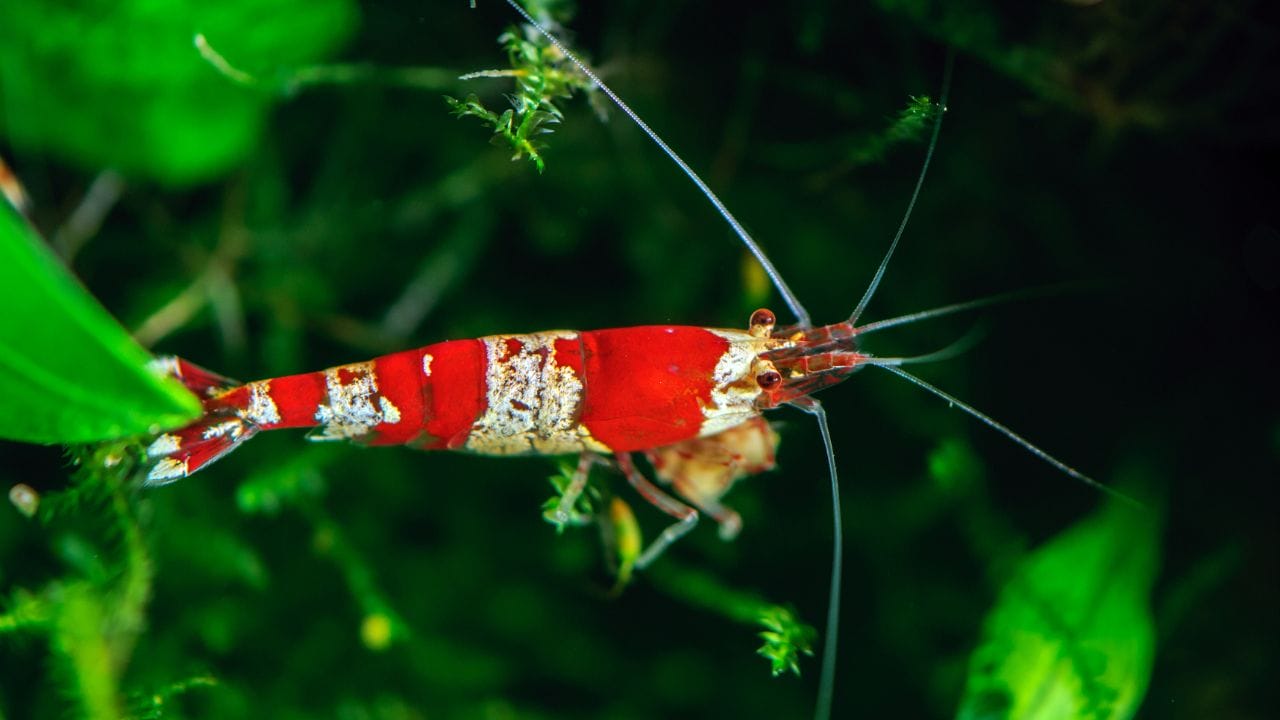
Let me just say it upfront.
Caridina shrimp are not for beginners.
If you’re coming from cherry shrimp thinking “how hard can it be?” — prepare yourself. These little guys will humble you real quick.
But here’s the thing. Once you crack the code, Caridina shrimp are some of the most rewarding creatures you can keep in a home aquarium. The colors are insane. The patterns are like tiny living artworks. And successfully breeding a colony? That’s a flex in the shrimp hobby.
This guide covers everything you need to know about keeping Bee shrimp, Tiger shrimp, and Taiwan Bee varieties alive and thriving.
What Are Caridina Shrimp?
Caridina is a genus of freshwater shrimp found mostly in Asia.
Unlike their hardier cousins (Neocaridina, like cherry shrimp), Caridina species need soft, acidic water with very specific parameters. Mess those up and you’ll be dealing with dead shrimp faster than you can say “failed molt.”
The most popular Caridina shrimp in the hobby fall into three main categories:
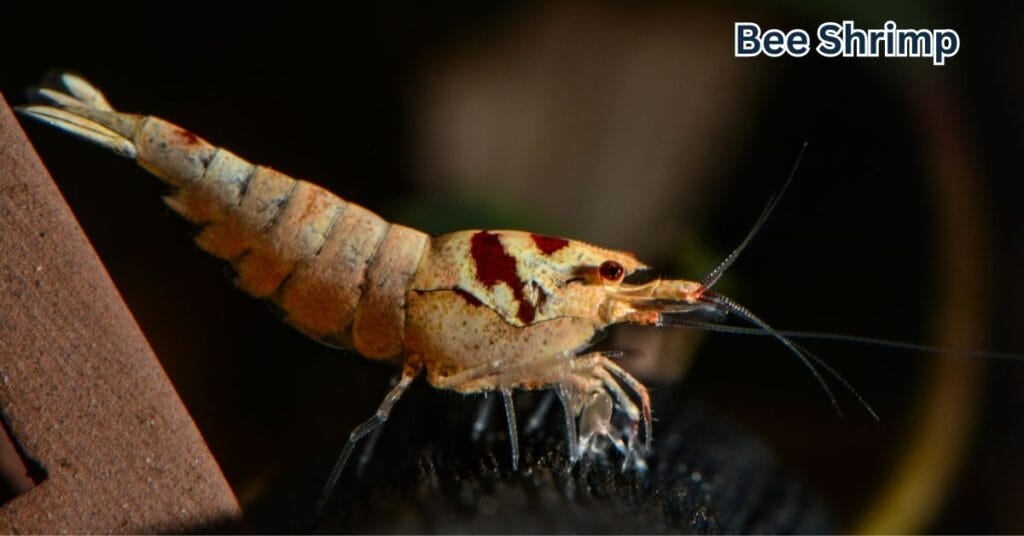
1. Crystal Shrimp (Bee Shrimp)
- Crystal Red Shrimp (CRS)
- Crystal Black Shrimp (CBS)
- Golden Bee Shrimp
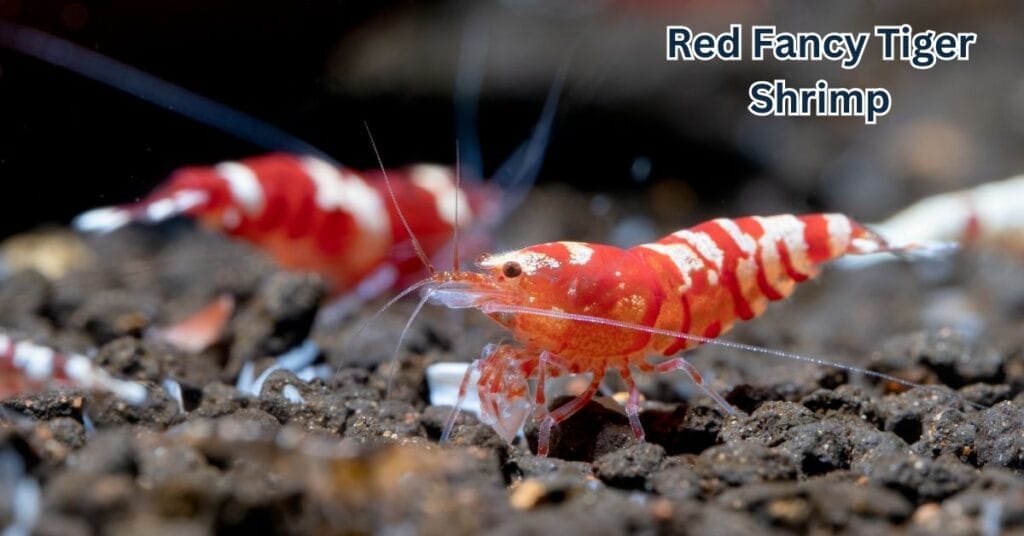
2. Tiger Shrimp
- Orange Eye Blue Tiger (OEBT)
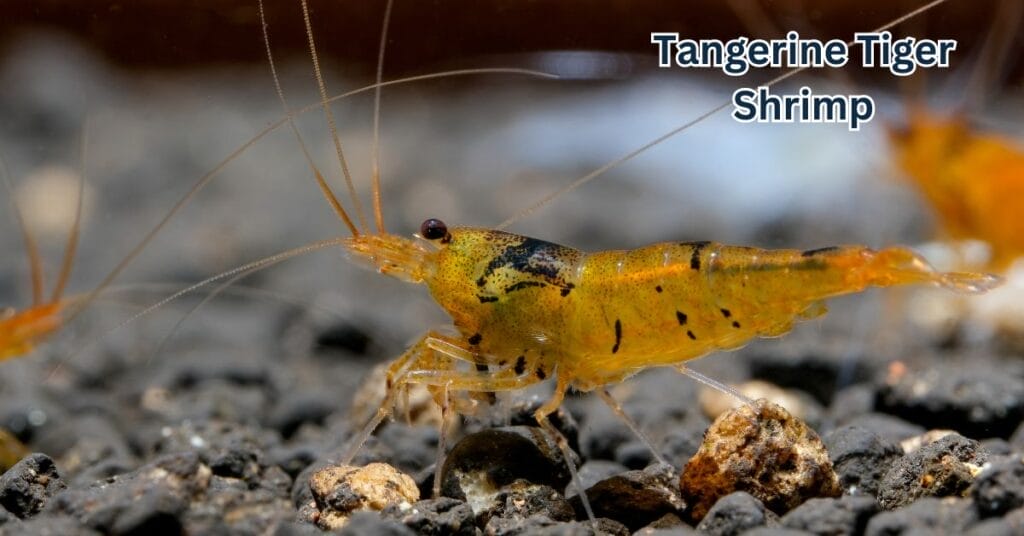
- Tangerine Tiger
- Red Tiger
- Blue Tiger
3. Taiwan Bee Shrimp
- Blue Bolt
- Black King Kong
- Red Wine / Ruby Red
- Panda (Black and White)
- Shadow Mosura
All these shrimp belong to the same species (Caridina cantonensis or closely related species), which means they can interbreed. This is important to know if you care about keeping your lines pure.
The Varieties: A Quick Overview
Let me break down what makes each type special.

Crystal Red & Crystal Black Shrimp
These are the gateway drug to Caridina keeping.
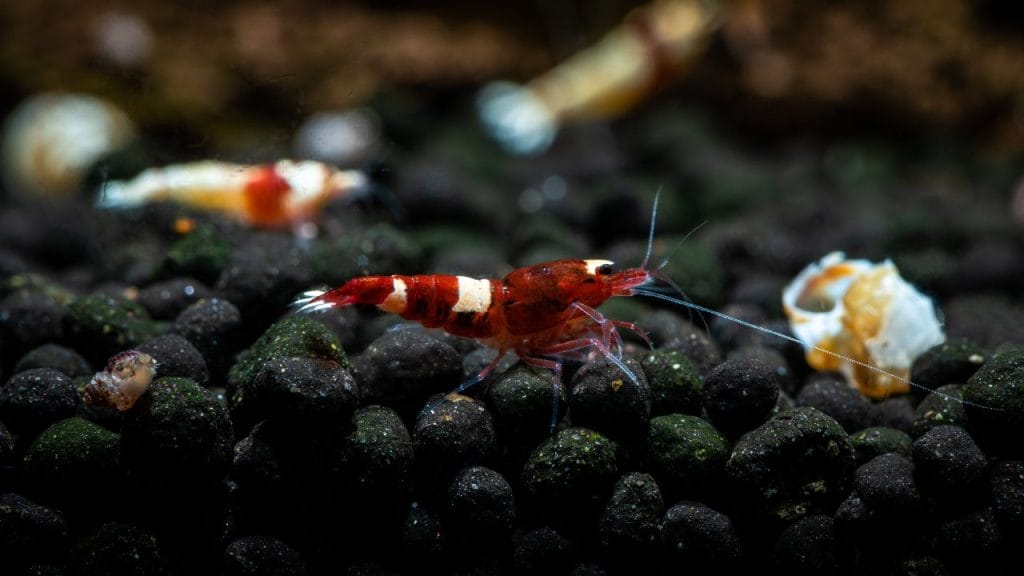
Crystal Reds have striking red and white bands. Crystal Blacks have — you guessed it — black and white bands. They’re graded from C (mostly colored, low white coverage) to SSS (almost entirely white with minimal color).
Higher grades = more white = higher price.
The grading scale goes: C → B → A → S → SS → SSS → SSS+
An SSS Mosura Crown pattern Crystal Red can cost hundreds of dollars. A C-grade? Maybe $5.
Taiwan Bee Shrimp
Taiwan Bees appeared as mutations from Crystal shrimp breeding in Taiwan around 2008-2009.
The first mutation was a Blue Bolt — a shrimp with a bluish-white body that looked nothing like its Crystal Red parents.
From that mutation came:
- Blue Bolt — Sky blue to deep royal blue coloration
- Black King Kong — Solid black with white markings
- Red Wine / Ruby Red — Deep wine-red color, more intense than Crystal Reds
- Panda — Black and white pattern similar to an actual panda
Taiwan Bees were notoriously fragile when they first appeared. Years of selective breeding have made them more stable, but they’re still more sensitive than regular Crystal shrimp.
The good news? All Taiwan Bee varieties can be kept together without worrying about ugly hybrid offspring. They share similar genetics and will produce nice-looking babies.
Tiger Shrimp
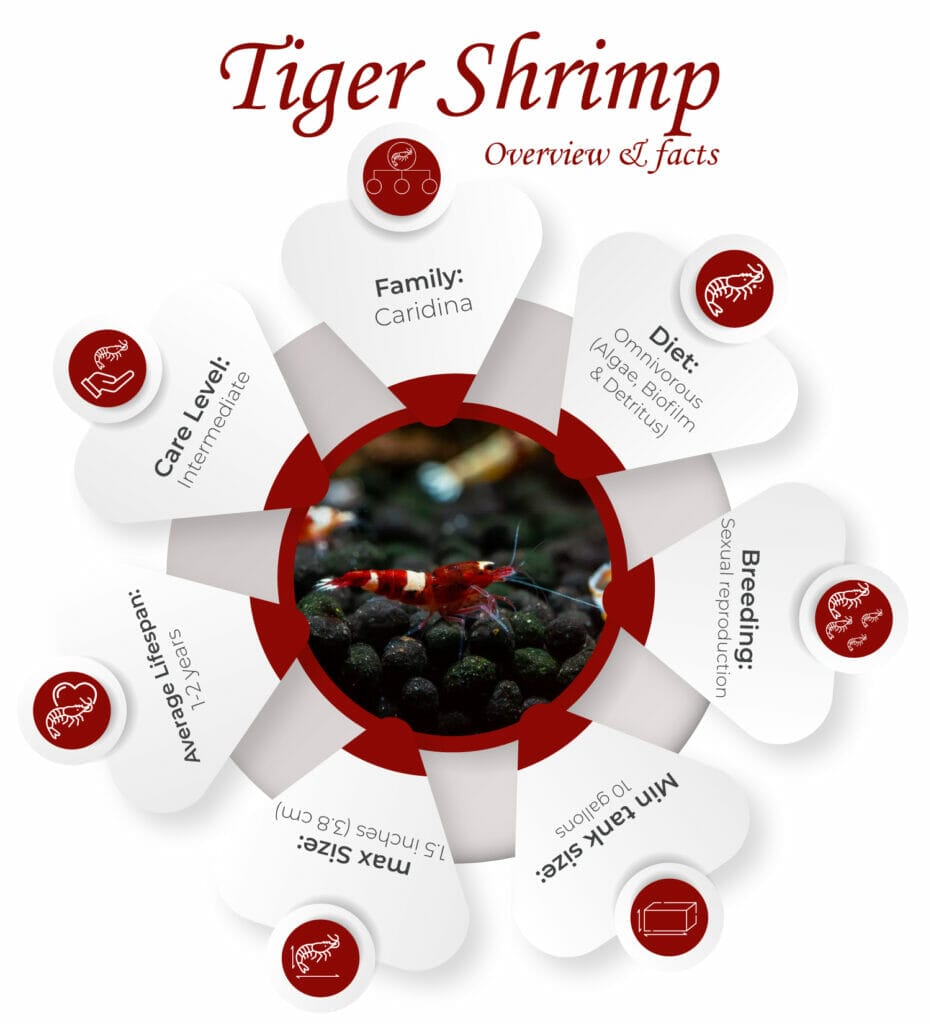
Tiger shrimp have striped patterns running down their bodies.
The Orange Eye Blue Tiger (OEBT) is probably the most popular. These shrimp have deep blue bodies with dark tiger stripes and bright orange eyes. The orange eyes are actually a genetic mutation that may cause poor vision — which might explain why OEBTs seem “braver” and less skittish than other shrimp.
Tangerine Tigers are naturally occurring shrimp from Taiwan with yellow-orange bodies and brown stripes. They’re one of the hardier Caridina varieties — a good stepping stone if you want something between Neocaridina and the more demanding Crystal/Taiwan Bee shrimp.
Important: Tiger shrimp and Crystal/Taiwan Bee shrimp CAN interbreed, but the offspring (called “Tibees”) often have unstable, messy patterns. If you’re serious about breeding, keep them separate.
Water Parameters: The Make Or Break Factor
This is where Caridina shrimp separate the casual hobbyists from the serious keepers.
You cannot wing this.
| Parameter | Ideal Range |
|---|---|
| pH | 5.5 – 6.8 |
| GH | 4 – 6 |
| KH | 0 – 1 |
| TDS | 100 – 150 ppm |
| Temperature | 68 – 74°F (20 – 23°C) |
| Ammonia | 0 ppm |
| Nitrite | 0 ppm |
| Nitrate | Below 20 ppm |
Let me explain why each matters:
pH (5.5 – 6.8)
Caridina shrimp evolved in soft, acidic streams in Asia. They need low pH to thrive.
Most tap water in the US and Europe is way too alkaline (pH 7.5+). You’ll need buffering substrate and/or RO water to bring it down.
GH (4 – 6)
General Hardness measures calcium and magnesium in your water.
Too low = molting problems (the shell won’t form properly). Too high = also molting problems (the shell becomes too rigid).
You need that sweet spot of 4-6 GH.

KH (0 – 1)
Carbonate Hardness buffers your pH. For Caridina, you want it as close to zero as possible.
Why? Because active substrates work by stripping KH from the water to maintain low pH. If your water has high KH, it will exhaust your substrate’s buffering capacity faster.
TDS (100 – 150 ppm)
Total Dissolved Solids gives you an overall picture of what’s in your water.
When using RO water with a remineralizer, you’re aiming for 100-150 TDS. This ensures enough minerals for healthy molting without excess stuff that could stress the shrimp.
Temperature (68 – 74°F)
Caridina like it cool.
This is actually good news — many people don’t need a heater. Room temperature in most homes works fine.
Higher temps (above 76°F) stress them out and can reduce lifespan. See our shrimp temperature chart by species for the full picture. If you live somewhere hot, you might need a chiller or at least a fan blowing across the water surface.
The RO Water Situation
Here’s the uncomfortable truth.
Most people’s tap water won’t work for Caridina shrimp.
If your tap water has high KH, high GH, or high pH, you need to use Reverse Osmosis (RO) water or RO/DI water (deionized).
RO water is pure — essentially zero TDS. Then you add a remineralizer (like SaltyShrimp GH+, SL-Aqua Blue Wizard, or similar) to add back the minerals your shrimp need.
This gives you complete control over your parameters.
Yes, it’s an extra expense and extra work. But it’s basically mandatory for serious Caridina keeping.
Tank Setup: Building The Foundation
Tank Size
Minimum 10 gallons.
You can technically keep shrimp in smaller tanks, but smaller = less stable parameters. One mistake and your colony is toast. If you are new to the hardware, our step-by-step shrimp tank setup guide covers every component.
Bigger is always better for stability.
The Substrate Question
You need active (buffering) substrate.
This is non-negotiable for most keepers.
Active substrates are made from fired clays and soils that naturally lower and buffer your pH. They’re the foundation of a successful Caridina tank.
Popular options:
| Substrate | Buffers pH To | Notes |
|---|---|---|
| ADA Amazonia | 6.6 – 6.8 | Gold standard, but leeches ammonia initially |
| ADA Amazonia Light | 6.6 – 6.8 | Less ammonia leeching |
| Controsoil | 6.2 – 6.6 | Popular US alternative |
| Fluval Stratum | 6.6 – 6.8 | Can turn mushy over time |
| GlasGarten Environment | 5.5 – 6.5 | Good for lower pH needs |
Warning about ADA Amazonia: It leeches ammonia for weeks after setup. You MUST cycle the tank properly before adding shrimp. Some keepers do a dry start method (keeping the soil damp but not flooded for 4-6 weeks) to burn off the ammonia before filling with water.
Active substrates don’t last forever. Expect 12-24 months of buffering before you need to replace it or “reset” the tank.
Filtration
Sponge filters are the standard for shrimp tanks.
They’re:
- Safe for baby shrimp (no intake to suck them up)
- Great biological filtration
- Provide grazing surfaces for biofilm
- Cheap and reliable
If you use a hang-on-back or canister filter, make sure to cover the intake with a sponge prefilter.
Plants and Hardscape
Caridina tanks don’t need to be fancy, but plants help:
- Java Moss — Classic choice, provides hiding spots and grazing surfaces
- Bucephalandra — Beautiful and low-maintenance
- Java Fern — Hardy and shrimp-safe
- Anubias — Another bulletproof option
- Floating plants — Help absorb excess nutrients
Driftwood and cholla wood are great additions. They release tannins (which can help lower pH) and provide additional grazing surfaces.
Indian Almond Leaves are almost mandatory. They release beneficial tannins, support biofilm growth, and shrimp love munching on them as they break down.
Cycling Your Tank: Patience Is Everything
Do NOT rush this.
Caridina shrimp die easily from ammonia and nitrite spikes. Your tank needs to be fully cycled before adding any shrimp.
Minimum cycling time: 6-8 weeks
Many experienced keepers wait 2+ months to let biofilm establish properly.
Here’s the process:
- Set up tank with substrate, filter, and water
- Add bacteria starter (the bottled bacteria I use to jump-start a cycle) (Seachem Stability, Dr. Tim’s, etc.)
- Add a small ammonia source (fish food, pure ammonia (the pure ammonia I dose for fishless cycles))
- Test regularly for ammonia, nitrite, and nitrate
- Wait until ammonia and nitrite read 0 consistently
- Do a large water change (50-80%)
- Test parameters one more time
- Add shrimp slowly
Pro tip: Adding some moss and Indian Almond Leaves during cycling helps establish biofilm that baby shrimp will feed on later.
Feeding: Less Is More
Caridina shrimp are grazers.
In a well-established tank with biofilm and algae, they’ll find plenty to eat on their own.
Overfeeding is one of the biggest killers. Excess food rots, spikes ammonia, and suddenly you’ve got dead shrimp everywhere.
Feeding schedule: Once daily or every other day. Only give what they can finish in 2-3 hours. Remove uneaten food.
Good foods include:
- High-quality shrimp pellets (the food my cherry shrimp actually swarm) (Shrimp King, Glasgarten, etc.)
- Blanched vegetables (spinach, zucchini, cucumber)
- Frozen bloodworms or brine shrimp (occasional treat)
- Bee pollen (great for color and breeding)
- Mulberry leaves, Indian Almond Leaves
- Biofilm boosters like Bacter AE (the GlasGarten supplement I dose my shrimp tanks with) (use sparingly — too much can crash oxygen levels)
Calcium matters. Provide cuttlebone or mineral supplements to support healthy molting.
Breeding Caridina Shrimp
Here’s the good news: if your parameters are stable and your shrimp are healthy, they WILL breed.
Caridina shrimp are “higher order” shrimp, meaning babies hatch as miniature versions of adults — not larvae. This makes breeding much easier than species like Amano shrimp that need brackish water for larvae.
The Breeding Process
- Female develops a “saddle” (eggs visible behind her head)
- She molts and releases pheromones
- Males go crazy swimming around looking for her
- Mating happens
- Female carries fertilized eggs under her tail for 4-6 weeks
- Fully formed shrimplets hatch
Baby shrimp are tiny but self-sufficient. They’ll feed on biofilm and won’t need special food.
Tips For Successful Breeding
- Stability over perfection — Consistent parameters matter more than hitting exact numbers
- Mature tank — Biofilm-rich tanks have higher shrimplet survival
- No predators — Even small fish will eat baby shrimp
- Plenty of hiding spots — Moss, plants, and hardscape protect babies
- Don’t disturb berried females — Stress can cause them to drop eggs
About Grading and Selective Breeding
If you care about maintaining or improving the quality of your shrimp, you’ll need to cull.
“Culling” means removing lower-grade shrimp from your breeding colony. You can sell them, give them away, or keep them in a separate tank.
Without culling, your line will gradually lose quality as genetics average out over generations.
Common Problems and Solutions
Failed Molts
Symptoms: Shrimp stuck in old shell, white ring of death around body
Causes:
- GH too low or too high
- Unstable parameters
- Sudden water changes
Prevention: Maintain stable GH 4-6, do small frequent water changes instead of large ones, provide calcium sources. For a deeper look at molting issues, read our guide to shrimp molting problems.
Shrimp Deaths After Water Change
Cause: Parameter shock — your new water didn’t match tank water
Prevention: Always match temperature, GH, and TDS before adding new water. Drip new water in slowly.
Bacterial Infections
Symptoms: Cloudy/milky appearance, lethargy, rapid death
Cause: Poor water quality, stressed shrimp
Prevention: Keep parameters stable, don’t overcrowd, remove dead shrimp immediately
Planaria and Hydra
These pest organisms can harm baby shrimp.
Treatment: Planaria Zero, No-Planaria, or fenbendazole. Be careful — these can harm snails too.
Tank Mates: Keep It Simple
Honestly? Caridina shrimp are best kept in species-only tanks.
Any fish — even “peaceful” ones — will eat baby shrimp. And given how much work goes into maintaining Caridina parameters, why risk it? If you do want to gamble, check our shrimp and fish compatibility chart first.
If you absolutely must have tank mates:
Relatively safe options:
- Snails (Nerite, Ramshorn, Malaysian Trumpet)
- Otocinclus (generally shrimp-safe, but watch them)
- Other Caridina shrimp (be aware of interbreeding)
Avoid:
- Any fish that can fit a shrimplet in its mouth
- Betta fish
- Most tetras
- Guppies (will eat babies)
- Crayfish
About mixing Caridina varieties:
- Crystal Red + Crystal Black + Golden Bee = Safe to mix (similar genetics)
- All Taiwan Bee varieties = Safe to mix together
- Tiger shrimp + Crystal/Taiwan Bee = Will create Tibee hybrids (avoid if you care about line purity)
- Caridina + Neocaridina = Won’t interbreed (safe to keep together if parameters work for both)
Caridina Shrimp Care FAQ
How long do Caridina shrimp live?
Most Caridina shrimp live around 1.5 to 2 years.
Stable water parameters are the single biggest factor in how long they last. Shrimp in swingy tanks tend to die much sooner.
Can Caridina shrimp live with cherry shrimp?
They will not interbreed, so genetically they are safe together.
The catch is water. Cherry shrimp (Neocaridina) prefer harder, more neutral water, while Caridina need soft and acidic. Hitting a middle ground stresses both, so most keepers house them separately.
Do I really need RO water for Caridina shrimp?
Usually, yes.
If your tap water is hard or alkaline, RO water plus a remineralizer is the only reliable way to hit the right parameters. If your tap is naturally soft and acidic, you may be able to skip it, but test first.
Why do my Caridina shrimp keep dying?
The usual culprits are an un-cycled tank, unstable parameters, or rushed acclimation.
Test for ammonia and nitrite, keep GH and TDS steady, and drip acclimate slowly. Stability beats chasing perfect numbers.
How many Caridina shrimp can I keep per gallon?
A safe starting point is 5 to 10 shrimp per gallon.
Shrimp have a low bioload, so a healthy colony in a stable 10 gallon tank can grow well past 100 over time.
Final Thoughts
Caridina shrimp aren’t easy.
They demand specific water, specific substrate, and a level of attention that casual fishkeepers might not want to deal with.
But when you get it right?
There’s nothing quite like watching a colony of Blue Bolts or high-grade Crystal Reds thriving in your tank. The colors are stunning. The breeding is addictive. And the sense of accomplishment when you successfully raise a generation of healthy shrimplets is hard to beat.
Start with the fundamentals. Get your parameters dialed in. Be patient with cycling. And don’t be afraid to ask questions in shrimp forums when things go wrong.
Because things will go wrong at first.
That’s just part of the Caridina experience.
Good luck.
About Author
Hello, I’m Muntaseer Rahman, the owner of AcuarioPets.com. I’m passionate about aquarium pets like shrimps, snails, crabs, and crayfish. I’ve created this website to share my expertise and help you provide better care for these amazing pets.
Disclaimer
This site is owned and operated by Muntaseer Rahman. AcuarioPets.com is a participant in the Amazon Services LLC Associates Program, an affiliate advertising program designed to provide a means for sites to earn advertising fees by advertising and linking to Amazon.com. This site also participates in other affiliate programs and is compensated for referring traffic and business to these companies.