This post was created with help from AI tools and carefully reviewed by a human (Muntaseer Rahman) . For more on how we use AI on this site, check out our Editorial Policy.
Check Out These FREE Tools We Made JUST For You!
How To Take Care Of Pet Crayfish: A Beginner’s Honest Guide
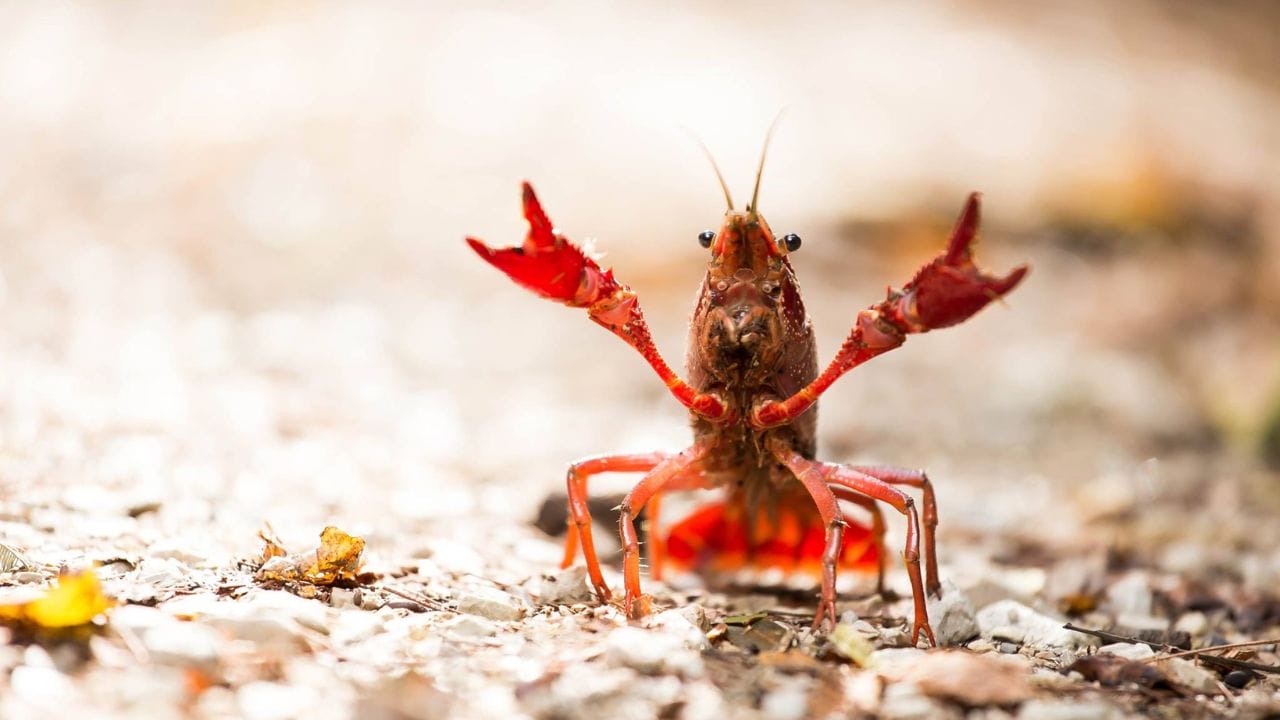
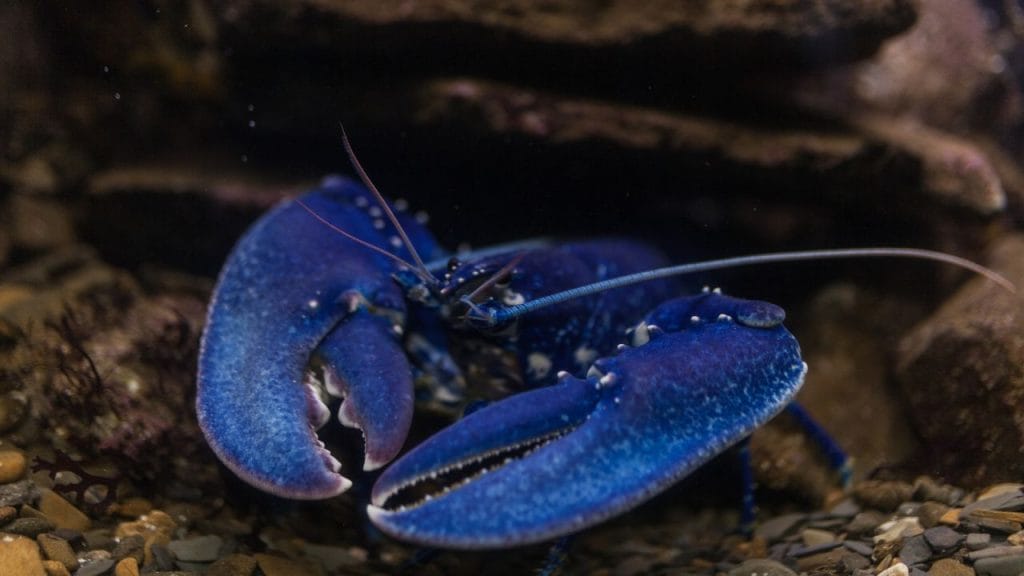
So you saw a blue crayfish at the pet store and now you want one. I get it. They look like tiny aquarium dragons.
Here’s the thing nobody tells you upfront. A pet crayfish is genuinely easy to keep alive, but only if you know two or three things that most “beginner guides” get wrong. We’re going to fix that.
This is the actual care guide. Tank, water, food, tank mates, the legal stuff most articles skip, and the mistakes that turn a $10 pet into a tragedy.
Are Crayfish Good Pets For Beginners?
Honestly, yes. Crayfish are tougher than fish, more entertaining than shrimp, and they have personality.
They burrow. They rearrange your decor. They wave their claws at you when you walk past. Some people swear theirs comes to the front of the tank for food.
But they are not a passive aquarium ornament. They will eat your snails, pinch your fingers if you’re careless, and try to climb out of the tank the second you forget the lid. Plan for that and you’re fine.
Pick The Right Species First (This Is The Step Most People Skip)
Not every crayfish is beginner material. Some grow huge. Some are illegal. Some are fine in a 10-gallon for life.
Here are the four you should actually consider.
| Species | Adult Size | Tank Size | Temperament | Notes |
|---|---|---|---|---|
| Dwarf Mexican (Cambarellus patzcuarensis) | 1.5 to 2 in | 5 to 10 gal | Peaceful for a cray | The only one safe with small fish |
| Electric Blue (Procambarus alleni) | 4 to 5 in | 20 gal | Aggressive | The Instagram favorite |
| White River (Procambarus acutus) | 4 to 5 in | 20 gal | Aggressive | Hardiest, cheapest |
| Australian Red Claw (Cherax quadricarinatus) | 8 in | 55 gal | Aggressive | Big, beautiful, big tank |

Skip the marbled crayfish. We’ll get to why in a second.
If this is your first cray, get a dwarf orange or an electric blue. Both are widely available, both forgive beginner mistakes, and both stay manageable.
For more on choosing, the crayfish tank setup guide walks through the equipment list for each.
The Marbled Crayfish Warning
Marbled crayfish (Procambarus virginalis, also called Marmorkrebs) clone themselves. One crayfish becomes hundreds. No mate required.
This is exactly as bad as it sounds for ecosystems, which is why they’re banned in a long list of US states.
States where marbled crayfish are illegal to own: Arizona, California, Georgia, Hawaii, Idaho, Michigan, Minnesota, Nevada, North Carolina, Ohio, Oregon, Pennsylvania, Tennessee, Utah, and Wisconsin. Pennsylvania bans all live crayfish species except a couple of natives.
The EU banned them in 2014. So if you’re in Europe, the answer is just no.
If you live somewhere they’re legal, fine, but understand they will reproduce in your tank constantly and you cannot release them anywhere. Ever. Not into a pond, not into a creek, not down the toilet.
When in doubt, check your state Fish and Wildlife site before you buy.
How Big Of A Tank Does A Pet Crayfish Need?
The lazy answer everyone gives is “10 gallons.” That’s only true for dwarf species.
Here’s the real breakdown:
- Dwarf crayfish: 5 to 10 gallons for one or two
- Electric blue or white river: 20 gallons minimum for one
- Red claw: 55 gallons minimum
The rule is simple. One crayfish per tank unless you’re keeping a small group of dwarves with lots of hides.
Bigger crayfish in smaller tanks fight to the death over territory. There is no “they’ll work it out.” They won’t.
For dimensions, longer is better than taller. Crayfish live on the bottom, so floor space matters more than depth.
Setting Up The Tank
You need less stuff than the average pet store will sell you. Here’s the actual list.
Substrate. Sand or fine gravel, 2 to 3 inches deep. Crayfish dig. Sharp gravel scrapes them up during molts.
Hides. At least two per crayfish. PVC pipe sections, ceramic caves, coconut shells, or driftwood (the driftwood I use for crayfish hides) all work. A cheap PVC pipe (— the cheapest cave a crayfish actually uses) elbow from the hardware store is the best hide your crayfish will ever own.
Plants. Tough ones only. Java fern and anubias (— another plant the cray won't kill) survive crayfish because they attach to rocks or wood and the leaves are leathery. Forget about a planted aquascape. They will eat or shred soft plants.

Filter. A sponge filter (the gentle sponge filter I run in my crayfish tanks) is plenty. Crayfish don’t make as much waste as fish, and strong currents stress them. Skip the high-flow canister.
Heater. Optional for most species if your room sits in the 68 to 75 degree range. Get one if your room temp swings.
Lid. Non-negotiable. Crayfish are escape artists. They climb the airline tubing, the heater cord, the corner of a bare-bottom tank. If there is a gap, they will find it. A friend of mine lost two crays to a carpet, dried out and crunchy. Glass lid, no gaps.
For the full step-by-step build, the crayfish tank setup guide covers cycling and the order to add things.
Water Parameters That Actually Matter
Crayfish are forgiving, but the swings will kill them faster than wrong-but-stable numbers.
| Parameter | Target |
|---|---|
| Temperature | 68 to 75°F (20 to 24°C) |
| pH | 6.5 to 8.0 |
| GH (general hardness) | 8 to 12 dGH |
| KH (carbonate hardness) | 4 to 8 dKH |
| Ammonia | 0 ppm |
| Nitrite | 0 ppm |
| Nitrate | Under 20 ppm |
A few things people get wrong here.
Crayfish actually like harder water than most fish. Soft water makes their new shell after a molt come in too thin. If your tap water is soft, add a calcium source like a cuttlebone or crushed coral.
You must dechlorinate tap water before adding crays. Chlorine and chloramine destroy their gills. Any standard water conditioner (what I use every water change) does the job.
Don’t fill the tank to the brim. Leave about 4 inches of air space below the lid. Crayfish need to surface for oxygen if dissolved levels drop, and the gap also makes escape harder.
Change about 25% of the water weekly.
Do Crayfish Need An Air Pump?
Usually no. If you have a sponge filter or any decent surface agitation, oxygen levels are fine.
The exception is summer. Warm water holds less oxygen, and crayfish suffocate before fish do because they sit at the bottom where oxygen is lowest. If your tank gets above 78°F, add an air stone.
If you ever see your crayfish hanging at the surface like it’s trying to climb out, that’s a low-oxygen warning. More on the warning signs in the why is my crayfish dying breakdown.

What Do Pet Crayfish Eat?
Everything. Crayfish are the raccoons of the aquarium.
Base their diet on sinking pellets (— what I drop in for my cray) or sinking wafers designed for bottom feeders. Hikari and Aqueon both make solid options.
Then add variety twice a week:
- Blanched zucchini, peas, spinach, carrot
- Frozen bloodworms, brine shrimp, mysis shrimp
- A small piece of raw shrimp or fish (no seasoning, obviously)
- Crushed cuttlebone for calcium
Feed an adult crayfish every other day. Drop in a piece roughly the size of its head. Pull anything uneaten after 24 hours so it doesn’t rot.
Underfeeding is way safer than overfeeding. Overfed crayfish foul the water fast and grow soft, malformed shells. There’s a full breakdown in the what do crayfish eat article.
Can Crayfish Live With Other Fish?
Mostly no. This is the part beginners always want a yes on.
The honest truth: a crayfish is a slow-moving, eight-legged predator with two pairs of meat scissors. Anything that swims near the bottom or sleeps on the substrate gets eaten. Snails get crushed. Shrimp get destroyed.
If you absolutely want tank mates, the safest options are fast, top-dwelling fish:
- Zebra danios
- White cloud minnows
- Hatchetfish
- Endlers livebearers
Avoid: bettas, corydoras, goldfish, plecos, slow fish with long fins, anything that hangs out on the substrate.
The single best setup for a pet crayfish is a species-only tank. You’ll get more behavior out of them and lose nothing to claws. Full list of what works (and what doesn’t) in the tank mates for crayfish guide.
Can You Hold Your Pet Crayfish?
Yes, carefully, and not for long.
The grip is from the top, behind the front legs but in front of the tail. That’s the spot where they can’t reach you with their pincers.
Never grab them by a single claw. They’ll drop it as a defense mechanism (it grows back, but still).
Keep handling short. Their gills need water, and a long out-of-water session stresses them hard. The full breakdown of how long they can survive out of water is in this article.
A pinch from a small crayfish feels like a paperclip closing on you. From an adult red claw, it’s a real ouch but not dangerous.

Molting: The Single Most Misunderstood Part Of Crayfish Care
Every few weeks, your crayfish sheds its entire exoskeleton. This is normal and necessary. It is also when most beginners panic and kill their pet by accident.
What you’ll see:
- Crayfish hides for a few days, refusing food
- One day there’s a “dead crayfish” on its side and an empty shell next to it
- Don’t touch anything
That isn’t a body. That’s the shed. The real crayfish is underneath, brand new and soft as putty for the next 24 to 72 hours.
Three rules during a molt:
- Do not remove the old shell. Your crayfish will eat it back to recover the calcium. This is critical.
- Do not move the crayfish. Soft-bodied crays are vulnerable. Tank mates can kill them.
- Do not feed heavily. It won’t eat for a couple days. Leftover food just rots.
In a few days, the new shell hardens and your crayfish is back. They often look bigger and brighter after a molt.
For the full timeline, how often do crayfish molt goes deeper into what’s normal.
Breeding Care
If you keep a male and a female long enough, they will breed. No special prep required, no seasonal trigger, no separate breeding tank.
The female ends up carrying eggs under her tail. She’ll fan them, clean them, and protect them for about 4 weeks. Then tiny crayfish appear by the dozen.
That’s where the fun ends and the hard part starts. Mom will eventually try to eat the babies. Tank mates definitely will.
If you want them to survive, move the mom to a separate tank before the eggs hatch, or scoop the babies out within a day of hatching.
The full process is laid out in crayfish egg care and the baby crayfish care guide.
If you don’t want babies, keep one crayfish. Sexing is easier than you’d think, see male vs female crayfish.
Common Beginner Mistakes That Kill Pet Crayfish
These are the ones I see over and over.
Skipping the lid. They escape, dry out on the floor.
Soft water with no calcium source. Bad molts, fatal molts.
Putting them with bettas or goldfish. Always ends in claws.
Cleaning the molt out of the tank. Crayfish needs to eat it.
Two crayfish in one small tank. One ends up dead within weeks.
Using untreated tap water. Chlorine burns the gills.
Fancy aquascape with delicate plants. They become salad.
Avoid those seven things and your crayfish will likely live the full 2 to 3 years (5+ for red claws).
Final Thoughts On Owning A Pet Crayfish
A crayfish is one of the most underrated freshwater pets you can own. Cheaper than a fancy fish, hardier than a shrimp, and way more entertaining than either.
The trick is treating them like the small predator they are. Lid down, hides in, water hard, plants tough, tank mates few or none.
Do that and you’ll have a tiny blue or red dragon redecorating your aquarium for the next two or three years. Not bad for ten bucks at the store.
If you’ve been on the fence, get the dwarf orange. It’s the cheapest entry point into the hobby and it will not embarrass you in front of your goldfish.
About Author
Hello, I’m Muntaseer Rahman, the owner of AcuarioPets.com. I’m passionate about aquarium pets like shrimps, snails, crabs, and crayfish. I’ve created this website to share my expertise and help you provide better care for these amazing pets.
Disclaimer
This site is owned and operated by Muntaseer Rahman. AcuarioPets.com is a participant in the Amazon Services LLC Associates Program, an affiliate advertising program designed to provide a means for sites to earn advertising fees by advertising and linking to Amazon.com. This site also participates in other affiliate programs and is compensated for referring traffic and business to these companies.