This post was created with help from AI tools and carefully reviewed by a human (Muntaseer Rahman) . For more on how we use AI on this site, check out our Editorial Policy.
Check Out These FREE Tools We Made JUST For You!
10 Pet Crayfish Tank Decor Ideas (Hides, Plants & Substrate That Survive)

Here’s the brutal truth nobody tells you when you bring home a pet crayfish.
They will redecorate your tank. They will uproot your plants. They will move your rocks. They will treat the substrate like a construction site at 2am.
People call them “aquatic bulldozers” for a reason. Crayfish are wired to dig, climb, hide, and chop. Pretty driftwood (the driftwood I use for crayfish hides) arrangement? Gone by morning.
So this list isn’t about making your tank look like a Tokyo aquascape. It’s about decor that actually survives a pet crayfish and gives your cray what it genuinely needs — hides, traction, snacks, and stuff to wreck without you crying.
Before We Get Into It: What Crayfish Actually Need From Decor
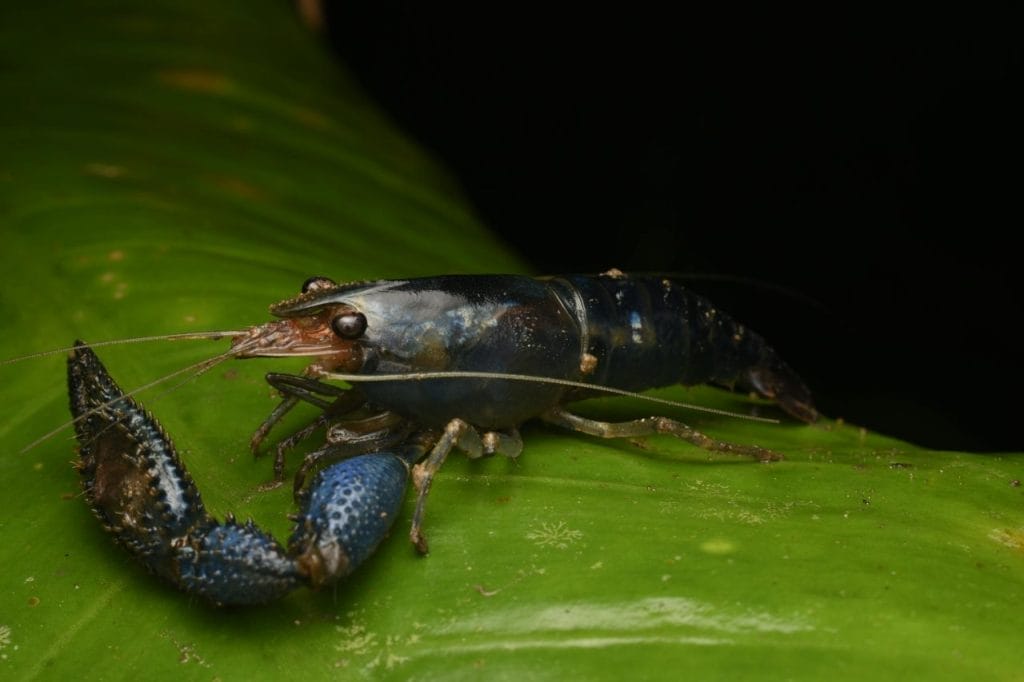
Crayfish need three things from their tank, in order: hides, hides, and more hides.
A single crayfish needs at least 2-3 hiding spots. If you’ve got more than one cray, give each one its own hide plus a couple of extras. Crowding a single cave is how dawn fights start.
The second thing is traction. Crayfish climb and they need stuff to grab. Smooth glass is stress-inducing.
The third is a safe spot to molt. A molting cray is basically a soft pretzel for 24-48 hours. Without a proper hide, even peaceful tankmates can finish them off. (We have a full breakdown on how often crayfish molt if you want to nerd out on that.)
Now the list.
1. PVC Pipe — The Cheapest Cave That Crayfish Genuinely Love

This is the one every long-time crayfish keeper has somewhere in their tank, no matter how fancy their setup gets.
Cut a 4-6 inch piece of food-safe PVC pipe (— the cheapest cave a crayfish actually uses) (about 1.5-2x the width of your cray), slap it on the substrate, done. They love it. They sleep in it. They molt in it. They drag food into it.
The trick to making PVC not look hideous: glue aquarium-safe sand or fine gravel onto the outside with silicone, or bury one end in the substrate. Suddenly the eyesore becomes a buried tunnel that looks intentional.
Pro tip: sand-coated PVC tunnels are the single highest-ROI piece of decor in a crayfish tank. Cheap, indestructible, and your cray will pick it over the $40 resin “naturalistic” cave from the pet store every single time.
2. Unglazed Terracotta Pot

A plain terracotta plant pot from the garden center is one of the best crayfish hides on earth.
Lay it on its side. Done. If the opening is too wide, half-bury it. If the pot is too round and rolls, knock the bottom out with a hammer and silicone it to a flat slate piece for stability.
Critical detail: it must be unglazed. Glazed pots can leach lead, cadmium, or other heavy metals into your water. Painted pots are even worse. Stick with the plain reddish-brown clay finish.
Multiple pots stacked or arranged into a little terracotta village is also a great look. Cray will treat each one as a separate territory.
3. Driftwood (Especially Mopani or Malaysian)

Driftwood is the all-purpose decor unit that does five jobs at once.
It’s a hide. It’s a climbing surface. It releases tannins that mimic the slightly acidic, leafy waters wild crayfish come from. It’s a place to attach plants the cray can’t uproot. And the biofilm that grows on it doubles as a snack.
Mopani and Malaysian driftwood are the two everyone reaches for because they’re dense, sink fast, and don’t fall apart. Pieces with natural hollows or arches are gold — instant cave plus instant landscaping.
Always pre-soak driftwood for at least a week before adding it, or boil smaller pieces. Fresh driftwood will float and leach a fire-hose of tannins that turn your tank into iced tea.
4. Slate or Smooth River Rock Stacks

If you want a hide that looks like the cray built it themselves, stack flat rocks into a little tunnel.
Slate is the classic — flat, stable, easy to stack into a cave shape. Smooth river rocks also work and look more natural. The key is to silicone the bottom layer to a baseplate so a determined cray digging beneath it can’t trigger a rockslide and crush itself.
Skip anything sharp, jagged, or with weird mineral streaks unless you know it’s inert. Avoid limestone, dolomite, and marble — they raise your pH and hardness in ways crayfish don’t need.
A simple two-rock leaning tunnel is enough. You don’t need a stonehenge replica.
5. Fine Aquarium Sand as Your Substrate

This is decor that doubles as enrichment.
Fine aquarium sand (the fine sand that lets crayfish actually burrow) or pool filter sand lets your crayfish dig, sift, and build little burrow mounds the way they would in the wild. Watching a cray push sand around with its claws like a tiny excavator is genuinely one of the best parts of owning one.
| Substrate | Burrowing | Looks | Cleanup |
|---|---|---|---|
| Fine sand | Excellent | Natural | Surface vac only |
| Small smooth gravel | Decent | Solid | Easy gravel vac |
| Large gravel | Poor | Boring | Easy |
| Bare bottom | None | Sterile | Easiest |
Gravel is fine if you already have it. But once you’ve watched a cray burrow in sand, you don’t go back. Just rinse it really well before it goes in or your tank turns into a snow globe for three days.
6. Anubias and Java Fern (Attached to Wood — Never Planted)

Here’s the deal with plants and crayfish: most plants get demolished. Not eaten exactly. More like landscaped to death.
Two plants survive: Anubias and Java fern. Both have tough leathery leaves cray don’t bother chewing, and both grow on driftwood or rock instead of in the substrate. That’s the magic — if it’s not in the substrate, your cray can’t uproot it.
Tie or glue the rhizome to a piece of driftwood with cyanoacrylate gel or fishing line. Don’t bury the rhizome — these plants rot if you do.
Anubias nana and Anubias nana petite are perfect for smaller tanks. Java fern works in any size and grows just slow enough that even an aggressive cray won’t outpace it.
7. Floating Plants (Frogbit, Hornwort, Duckweed)

If your cray demolishes plants on the substrate, just put the plants where the cray can’t reach.
Frogbit, hornwort, water lettuce, and duckweed all float on the surface. No roots in the substrate means nothing to uproot. They throw shade across the tank (cray are nocturnal and hate bright light), absorb nitrates, and create a sense of cover.
Frogbit is the prettiest. Hornwort is the toughest. Duckweed is the cheapest and also the most invasive — once it’s in your tank it’s in your tank forever, so think before you add it.
Floating plants also give baby crayfish a place to hide if you end up with berried females and a sudden population boom.
8. Indian Almond Leaves & Botanical Litter

A handful of dried leaves on the substrate doesn’t sound like “decor,” but it transforms a crayfish tank.
Indian almond (catappa) leaves, oak leaves, and magnolia leaves all do the same trick: they release mild tannins, lower pH gently, fight bacteria, and grow biofilm that crayfish graze on. They also make perfect molting cover for smaller cray.
Drop in 2-3 leaves per 10 gallons every few weeks. Replace them as they break down. The look is dim, natural, blackwater-ish — like a forest stream.
Indian almond leaves in particular have antifungal properties that help a recovering or molting cray bounce back faster. They’re cheap on Amazon or any aquarium-focused store.
9. Coconut Shell Hide

Half a coconut shell with a doorway cut into it is basically a pre-made cave.
You can buy them prepped at pet stores, or DIY one from a hardware-store coconut. Boil it for 10-15 minutes to kill anything living and to remove some of the woody tannins (or leave the tannins in if you want the blackwater look).
Coconut hides are smooth on the inside, naturally domed, and small enough that a cray can wedge themselves in and feel completely enclosed. They also weigh almost nothing wet, so you’ll want to weigh them down with a flat rock or silicone them to slate so the cray doesn’t flip them over.
A coconut hide tucked into a corner with java fern (— a hardy plant that survives crayfish abuse) growing on top of it is one of the better-looking corners you can build in a cray tank.
10. Empty Space (Yes, Really)

This last one isn’t a thing you add. It’s a thing you don’t add.
A pet crayfish needs at least one open patch of substrate with no decor — a clear feeding zone where you can drop sinking pellets (— what I drop in for my cray) and actually watch your cray eat. Cramming the whole tank floor with caves and rocks means food rolls into crevices you can’t reach and rots.
Leave a third of your tank floor open. Use that space to feed, observe, and do partial water changes without dismantling the whole hardscape.
This is also where a cray will do most of its “molting prep” rituals — wandering, fanning sand, testing the ground. You want to be able to watch it.
What to Skip (The “Decor” That Wrecks Crayfish Tanks)
Quick hit list of things to keep out of a cray tank:
- Painted or glazed ceramics — toxin leaching, full stop
- Copper anything — copper is lethal to invertebrates, including the wire inside cheap “aquarium safe” decor
- Sharp resin castles — crayfish climb everything, and a sharp edge will tear off a leg
- Tall, top-heavy decor without a stable base — cray will undermine the substrate beneath it and bring it down
- Soft, expensive plants — Amazon swords, ludwigia, anything stem-y. Don’t bother. Save the money
- Plastic plants with frayed edges — cray clip the fronds and eat them, which is bad
- Plants you bought yesterday and want to look nice — see above
A Sample 20-Gallon Crayfish Decor Layout

Here’s a clean starter setup that hits all the boxes:
| Spot in tank | Decor |
|---|---|
| Substrate | 2 inches of fine aquarium sand |
| Back-left corner | Driftwood piece with Anubias glued to it |
| Back-right corner | Stack of 3 flat slate rocks forming a tunnel |
| Front-left | Sand-coated PVC pipe tunnel, half-buried |
| Front-right | Unglazed terracotta pot (the unglazed pot crayfish actually use as a cave) on its side |
| Mid-back | Indian almond leaves scattered |
| Surface | Frogbit floating across half the surface |
| Front-center | Empty — feeding and observation zone |
Total decor cost if you DIY most of it: about $30-50. Not bad for a tank a cray will actually thrive in.
If you’re starting from scratch and want a full walkthrough on tank size, filter, heater, and the rest, our crayfish tank setup guide covers the equipment side. And if you’re tempted to add fish to the mix, read the crayfish tank mates guide first — your decor strategy changes when there’s prey to chase.
Final Thoughts
Decorating a pet crayfish tank is a totally different game from a normal community aquarium.
You’re not building a diorama. You’re building a small ecosystem for a stubborn, smart, slightly destructive invertebrate that has very specific opinions about its real estate.
Lean into what they actually want — hides, sand, tannins, plants they can’t kill, and a clear feeding zone — and your tank will look great while your cray actually thrives. Try to force a pretty aquascape over their instincts, and you’ll just be replanting Anubias every weekend.
Now go give your cray a tunnel. They’ll thank you by claiming it within thirty seconds.

About Author
Hello, I’m Muntaseer Rahman, the owner of AcuarioPets.com. I’m passionate about aquarium pets like shrimps, snails, crabs, and crayfish. I’ve created this website to share my expertise and help you provide better care for these amazing pets.
Disclaimer
This site is owned and operated by Muntaseer Rahman. AcuarioPets.com is a participant in the Amazon Services LLC Associates Program, an affiliate advertising program designed to provide a means for sites to earn advertising fees by advertising and linking to Amazon.com. This site also participates in other affiliate programs and is compensated for referring traffic and business to these companies.