Blog

  • Cherry Shrimp Turning White: Molting or Sick?

    Finding your cherry shrimp turning white can freak you out, especially if you’re new to keeping these little guys. Here’s the deal: it’s usually molting, which is totally normal, but sometimes it means something’s wrong. The key is knowing the difference between a healthy molt and a health problem. A white, translucent shell left behind?…

  • Baby Chameleon Care: Setting Up for Hatchlings and Juveniles

    So you’re about to welcome a baby chameleon into your life, or maybe you just watched one pip through its egg and now you’re panicking because you have no idea what you’re doing. Let me be straight with you: baby chameleons are fragile as hell. These tiny tree dragons are absolutely adorable with their clumsy,…

  • How Long Do Betta Fish Live? Maximizing Your Betta’s Lifespan

    So you’ve got a gorgeous betta fish sitting in a little cup at the pet store, looking at you with those judgmental fish eyes, and you’re thinking about bringing it home. But here’s the question nobody asks until it’s too late: how long is this tiny water dinosaur actually going to stick around? The answer…

  • Freshwater Aquarium Shrimp Winter Care: Keep Your Shrimp Alive When It Gets Cold

    Winter can kill your shrimp if you’re not careful. When temperatures drop below 68°F, your shrimp’s metabolism slows down, they stop eating properly, and their immune systems get weaker—making them sitting ducks for disease. But don’t worry, keeping them alive through winter is actually pretty simple once you know what to do. The main thing…

  • Leopard Gecko Winter Care: Keep Your Gecko Warm and Healthy

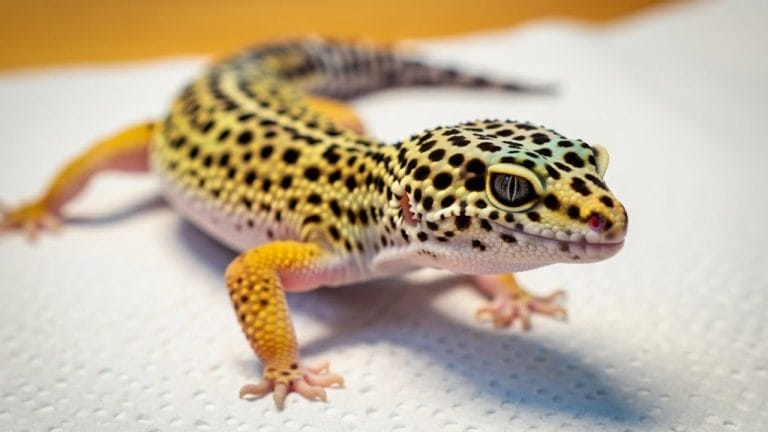
    Your leopard gecko needs the same warm temperatures in winter that they enjoy year-round. Keep the warm side at 88-92°F and the cool side at 70-75°F even during cold months. The main challenge is maintaining these temps when your house gets chilly. Winter doesn’t mean your gecko needs to hibernate. While some geckos naturally slow…

  • Veiled vs Panther vs Jackson’s Chameleons: Complete Comparison

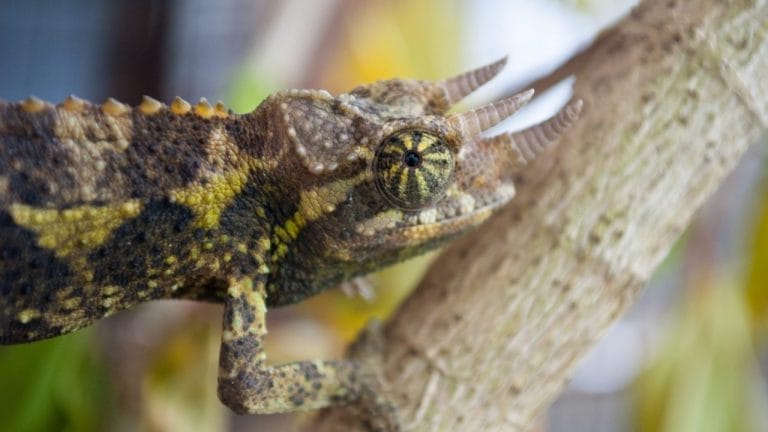
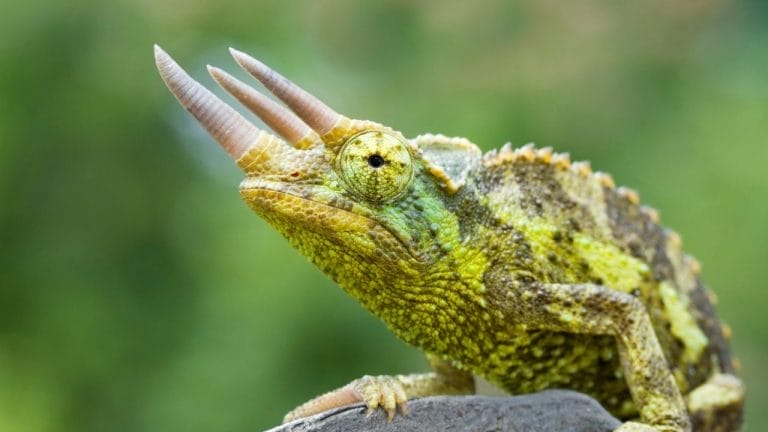
    You’re staring at three different chameleons at the pet store and honestly, you have no idea which one to pick. The veiled’s got that crazy helmet thing going on, the panther looks like someone threw a paint store at it, and the Jackson’s is basically a tiny triceratops. Here’s the thing nobody tells you: picking…

  • How Big Do Betta Fish Get? (Plus Their Growth Rate Explained)

    So you’re staring at that tiny betta in the pet store cup, wondering if this little guy is gonna turn into some kind of freshwater monster once you get him home. I get it. The size question keeps everyone up at night when they’re planning their first betta tank. Here’s the deal: most betta fish…

  • Bearded Dragon Winter Care: Everything You Need to Know About Brumation

    Your bearded dragon is sleeping way more than usual, refusing food, and hiding in the corner of their tank. If this is happening during winter, they’re probably going through brumation — a natural hibernation-like state that’s completely normal for healthy adult dragons. Here’s the thing: brumation isn’t something to panic about, but it can look…

  • Can Bearded Dragons Go Outside in Winter?

    No, bearded dragons should not go outside in winter unless temperatures are consistently above 70°F. Even then, 80°F or higher is much safer for outdoor time. Winter temperatures are dangerous for bearded dragons because they’re cold-blooded and can’t generate their own body heat. When exposed to cold, their immune systems weaken fast, making them vulnerable…