
This post was created with help from AI tools and carefully reviewed by a human (Muntaseer Rahman) . For more on how we use AI on this site, check out our Editorial Policy.
Check Out These FREE Tools We Made JUST For You!
Winter Betta Fish Care: Temperature, Feeding, and More
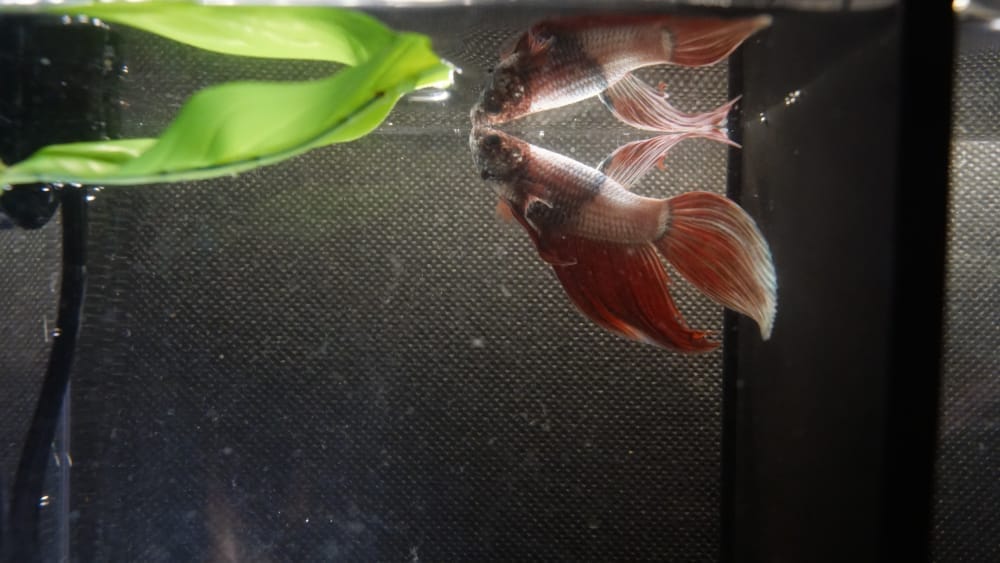
Betta fish need extra attention during winter because cold temperatures slow their metabolism, weaken their immune system, and make them vulnerable to disease. The key to winter betta care is maintaining stable water temperature (78-80°F), adjusting feeding amounts, and watching closely for signs of cold stress.
Here’s the thing: bettas are tropical fish from Southeast Asia. They’ve never experienced a real winter in their evolutionary history. Your cozy heated home in January might still be way too cold for them.
This guide covers everything you need to know about keeping your betta healthy through the cold months. You’ll learn how to manage temperature, adjust feeding schedules, prevent winter illnesses, and recognize warning signs before they become emergencies.
Quick Winter Betta Care Checklist
- Keep water at 78-80°F (25.5-27°C) consistently
- Feed smaller portions (metabolism slows in cooler temps)
- Match water change temps exactly to tank water
- Check thermometer daily (heaters can fail in winter)
- Maintain 8-12 hours of light despite shorter days
- Avoid placing tank near cold windows or drafty areas
For specific recommendations, check out our betta fish owner essentials page.
Why winter is hard on betta fish
Bettas are ectothermic, which means they can’t regulate their own body temperature. Their entire metabolism runs on the temperature of the water around them.
When that water gets cold, everything slows down. Digestion. Immune function. Activity levels. Healing.
Room temperature in most homes drops during winter, especially at night. Even if you keep your house at 70°F, that’s still too cold for a betta. And the water in an unheated tank is usually a few degrees cooler than the room.
Cold water stress doesn’t always show up immediately. Your betta might look “fine” for weeks while their immune system quietly weakens. Then one day, they’ve got fin rot, ich, or something worse.
The good news? Winter betta care isn’t complicated. It just requires a bit more attention than the warmer months.
Temperature management in winter
This is the most critical part of winter care. Get the temperature right, and you’ve solved 80% of potential winter problems.
The ideal range
Bettas thrive between 78-80°F (25.5-27°C). This is their sweet spot where metabolism, digestion, and immune function work best.
They can survive in a wider range of 72-86°F, but anything below 76°F puts them in the stress zone. Below 72°F is the danger zone where illness becomes likely.
Why heaters matter more in winter
Your heater has to work harder when room temperatures drop. A heater that kept your tank at 78°F perfectly in summer might struggle in December.
Check your tank temperature every single day during winter. Don’t trust your heater’s dial alone. Use a separate thermometer on the opposite side of the tank.
If your heater can’t maintain temperature, you have a few options:
- Upgrade to a more powerful heater (50W for 5-gallon tanks)
- Add a second backup heater set 2-3 degrees lower
- Insulate the tank with foam or a towel on the back and sides
- Move the tank away from cold walls and windows
- Keep the tank in a warmer room
For specific heater recommendations, check out our betta fish owner essentials page.
Avoiding temperature shock
Temperature shock is one of the biggest dangers during winter. It happens when water temperature changes too quickly, and it can kill a betta fast.
Common causes of temperature shock in winter:
- Water changes with cold tap water
- Heater malfunction (stuck on or stuck off)
- Moving the tank to a different room
- Power outages
Always match replacement water temperature exactly to tank water before adding it. Use a thermometer to check both. Even a 3-4 degree difference can stress your fish.
Feeding adjustments for winter
Cold water slows betta metabolism. If you feed the same amount as summer, your betta can’t digest it properly. Undigested food leads to bloating, constipation, and swim bladder problems.
How to adjust feeding
Reduce portion sizes. If you normally feed 3-4 pellets twice daily, drop to 2-3 pellets once or twice daily during winter. Watch your betta’s belly. It should never look swollen.
Skip a day each week. Fasting one day per week helps bettas fully digest their food and prevents constipation. This is good practice year-round but especially important in cooler months.
Choose easily digestible foods. Small pellets and Bug Bites formula are easier on sluggish digestion. Avoid large pellets or freeze-dried foods that expand in the stomach.
Soak freeze-dried treats first. If you give bloodworms or brine shrimp, soak them in tank water for a few minutes before feeding. This prevents them from expanding inside your betta.
Signs of overfeeding in winter
- Bloated or swollen belly
- Constipation (no waste for days)
- Floating issues or swimming problems
- Leftover food in the tank
- Cloudy water
If your betta seems uninterested in food, don’t worry too much. A healthy betta can go several days without eating. It’s better to underfeed than overfeed during winter.
Water changes in winter
Water changes become trickier in winter because of temperature matching. But they’re just as important as ever.
Temperature matching is critical
This is where most winter water change mistakes happen. You fill a bucket from the tap, dump it in, and suddenly your tank drops 5 degrees.
Always check the temperature of your replacement water before adding it. Mix hot and cold tap water until it matches your tank exactly. A digital thermometer with a probe makes this easy.
How often to change water
Stick to your regular schedule. For a filtered 5-gallon tank, that’s typically 25% weekly. For smaller unfiltered setups, more frequent smaller changes work better.
Because betta metabolism slows in cooler temps, they produce slightly less waste. But don’t use this as an excuse to skip changes. Water quality is even more important when immune systems are already stressed.
Winter water change tips
- Treat replacement water with dechlorinator (what I use every water change) before adding
- Let treated water sit near the tank to reach room temperature
- Use a thermometer to verify temps match within 1-2 degrees
- Add new water slowly, not all at once
- Consider smaller, more frequent changes to minimize temperature swings
Winter illness prevention
Cold stress weakens immune systems. That’s why winter is prime time for betta diseases like ich, fin rot, velvet, and fungal infections.
Common winter health issues
Ich (white spot disease). Shows up as tiny white dots covering the body and fins. Often triggered by temperature stress. Treat by gradually raising temperature to 82-84°F and using ich medication.
Fin rot. Fins become ragged, frayed, or discolored at the edges. Caused by bacteria that take advantage of weakened immunity. Clean water and stable temps usually resolve mild cases.
Velvet. A parasitic infection that makes your betta look dusty or gold-colored. Very contagious and often triggered by temperature fluctuations.
Lethargy and loss of appetite. Sometimes not a specific disease, just general cold stress. Fix the temperature first before assuming something else is wrong.
Prevention strategies
Maintain rock-solid temperature. This is the number one prevention method. A stable 78-80°F gives your betta’s immune system the best chance.
Keep water pristine. Don’t slack on water changes just because it’s cold outside. Clean water means fewer pathogens.
Avoid stress. Don’t rearrange decorations, add new tankmates, or make major changes during winter. Let your betta conserve energy.
Feed high-quality food. Good nutrition supports immune function. Vary the diet with pellets and occasional frozen treats.
Quarantine new additions. If you’re adding plants or decorations, rinse them well. New items can introduce pathogens that a cold-stressed betta can’t fight off.
Lighting during winter
Shorter days mean less natural light. This matters because bettas need consistent day/night cycles for their circadian rhythm.
Why lighting matters
Bettas are diurnal, meaning they’re active during the day and sleep at night. Without a regular light schedule, their sleep patterns get disrupted. This leads to stress, color fading, and appetite changes.
In their native Thailand, bettas get 10-14 hours of daylight year-round. Your tank should mimic this even when it gets dark outside at 5pm.
Winter lighting schedule
Aim for 8-12 hours of light daily. Consistency matters more than exact hours. Use a timer so the lights turn on and off at the same time every day.
Don’t extend light hours beyond 12 to “make up” for winter darkness. Too much light causes stress and promotes algae growth.
If your tank is near a window, be aware that winter sun is weaker. You may need to rely more on your aquarium light than ambient daylight.
Tank placement in winter
Where your tank sits becomes more important when temperatures drop outside.
Locations to avoid
Near windows. Cold drafts seep through even closed windows. The glass itself gets cold and can chill nearby tank water.
Against exterior walls. These walls are colder than interior walls, especially in older homes.
Near doors. Every time someone opens the door, cold air rushes in.
In basements. Typically the coldest part of the house.
Near heating vents. While warmth sounds good, forced air creates temperature swings.
Better locations
Move your tank to an interior wall in a consistently warm room. Upper floors tend to be warmer than lower floors since heat rises.
If you can’t move the tank, insulate the back and sides with foam board or even a thick towel. This helps retain heat.
Power outage preparation
Winter storms can knock out power. Without electricity, your heater stops working and tank temperature plummets.
Have a plan ready
Insulate immediately. Wrap the tank with blankets, towels, or sleeping bags. Cover the top too, leaving a small gap for air exchange.
Don’t open the tank. Every time you lift the lid, heat escapes. Resist checking on your fish constantly.
Use hand warmers. Tape disposable hand warmers to the outside of the tank glass and cover with insulation. Never put them inside the tank.
Float bottles of warm water. Fill bottles with warm (not boiling) water and float them in the tank. Replace as they cool.
Stop feeding. Your betta’s metabolism will slow way down in cold water. They won’t digest food properly anyway.
A well-insulated tank can maintain safe temperatures for 12-24 hours in most outages. Have a battery-powered air pump as backup for longer outages.
Daily winter care routine
Consistency is everything in winter betta care. Here’s a simple daily checklist:
Morning:
- Check thermometer (should be 78-80°F)
- Turn on tank light (or confirm timer is working)
- Observe betta’s activity and appearance
- Feed small portion
Evening:
- Check thermometer again
- Observe betta for any changes
- Remove any uneaten food
- Turn off light at consistent time
Weekly:
- Perform water change with temperature-matched water
- Clean glass and remove debris
- Check heater is functioning properly
- Test water parameters if you have a kit
What NOT to do in winter
Don’t turn off the heater to “save electricity.” The few dollars you save isn’t worth your betta’s health.
Don’t assume room temperature is warm enough. Even a 72°F room means cold tank water.
Don’t overfeed to “keep them warm.” Extra food doesn’t generate body heat. It just causes digestive problems.
Don’t add ice to cool an overheating tank. If your heater malfunctions and overheats the water, unplug it and let the tank cool naturally. Sudden temperature drops cause shock.
Don’t ignore behavioral changes. Lethargy, color loss, and appetite changes are warning signs, not normal winter behavior.
Don’t skip water changes. Winter isn’t an excuse to neglect maintenance.
FAQs
Do betta fish hibernate in winter?
No, bettas don’t truly hibernate. They may become less active if water is too cold, but this isn’t hibernation. It’s cold stress, and it’s not healthy. A properly heated tank should have an active, alert betta year-round.
Can I keep my betta without a heater if my house is warm?
Only if your home stays consistently at 78°F or higher, 24/7. Most homes drop several degrees at night, especially in bedrooms. A heater with a thermostat provides stable temperature that room heating can’t match.
How do I know if my betta is too cold?
Watch for lethargy, sitting at the bottom, clamped fins, loss of color, and refusal to eat. These are classic signs of cold stress. Check your thermometer immediately if you notice these behaviors.
Should I feed my betta less in winter?
Yes, slightly less. Cold water slows digestion, so smaller portions prevent bloating and constipation. Feed once or twice daily with smaller amounts than summer, and skip one day per week for fasting.
My betta got sick this winter. What went wrong?
Most winter illnesses trace back to temperature problems: water too cold, temperature fluctuations, or temperature shock during water changes. Fix the temperature first, then treat the specific illness.
Keep your betta thriving all winter
Winter care for bettas comes down to one main thing: stable, warm water. Get that right, and everything else becomes easier.
Check your thermometer daily. Match water change temperatures exactly. Feed a little less. Watch for warning signs.
Your betta doesn’t know it’s winter outside. With proper care, they’ll stay active, colorful, and healthy until spring arrives. A few extra minutes of attention each day is all it takes.
How to Keep Your Betta Tank Warm in Winter
Yes, you absolutely need a heater for your betta fish tank in winter. Bettas are tropical fish that require water temperatures between 76°F and 82°F (24°C to 28°C) to stay healthy. Without a heater, winter room temperatures can drop your tank into the danger zone, causing stress, illness, and even death.
Here’s the thing: bettas come from the warm, shallow waters of Southeast Asia. They’ve evolved to thrive in consistently warm temperatures. Your house in January? Not exactly Thailand.
In this guide, you’ll learn exactly how cold is too cold, how to choose the right heater, what to do during power outages, and the warning signs that your betta is suffering from cold water. Let’s keep your fish alive and thriving this winter.
Quick Answer: Winter Betta Tank Essentials
- Ideal temperature: 78-80°F (25.5-27°C)
- Danger zone: Below 72°F (22°C)
- Heater rule: 3-5 watts per gallon (25-50W for 5-gallon tanks)
- Best choice: Adjustable submersible heater with thermostat
- Avoid: Preset heaters under 25W in cold rooms
Looking for specific heater recommendations? Check out our betta fish owner essentials page for our top picks with current prices and reviews.
Why bettas need warm water (it’s not optional)
Betta fish are cold-blooded. They can’t generate their own body heat like you and I can.
Their entire metabolism depends on the water temperature around them. When water gets cold, everything slows down: digestion, immune function, energy levels.
Think of it like this: imagine being forced to live in a 50°F room with no blankets. You’d survive for a while, but you wouldn’t be thriving.
Pet stores keep bettas in tiny cups at room temperature, which gives people the wrong idea. Those fish aren’t healthy. They’re just surviving long enough to be sold.
A betta kept at proper temperatures is active, colorful, and eager to eat. A betta in cold water? Sluggish, pale, and hiding at the bottom of the tank.
What temperature do bettas actually need?
The ideal range for betta fish is 78-80°F (25.5-27°C). This is their sweet spot where they’re most active, digest food properly, and have the strongest immune systems.
Bettas can survive in a wider range of 72-86°F (22-30°C), but there’s a big difference between surviving and thriving.
At temperatures below 76°F, you’ll notice your betta becoming less active. Below 72°F, their immune system weakens significantly. Prolonged exposure to cold water leads to illness, infection, and shortened lifespan.
One important note: if the temperature needs to fluctuate, bettas prefer slightly warmer over slightly cooler. Their bodies handle heat stress better than cold stress.
| Temperature | Effect on Betta |
|---|---|
| 78-80°F | Ideal – active, healthy, vibrant colors |
| 76-77°F | Acceptable – slightly reduced activity |
| 72-75°F | Stress zone – sluggish, weakened immunity |
| Below 72°F | Danger zone – high risk of illness and death |
| Above 82°F | Too warm – rapid breathing, stress |
Signs your betta is too cold
Cold water stress doesn’t always show up immediately. Sometimes the symptoms creep in over days or weeks.
Watch for these warning signs:
Lethargy and inactivity. Your betta sits at the bottom of the tank barely moving. They may not even swim up to greet you like they normally would.
Loss of appetite. Cold water slows digestion. Your betta may ignore food entirely or spit it out after attempting to eat.
Clamped fins. Instead of flowing beautifully, your betta’s fins stay pinched close to their body. This is their way of conserving heat.
Fading colors. Vibrant reds, blues, and purples become dull and washed out. This is a stress response.
Sitting at the bottom. Heat rises in water too. A cold betta will often rest on the substrate where it’s marginally warmer near the heater (if there is one).
Slowed gill movement. Watch your betta’s gills. If they’re barely moving, the cold has slowed their respiratory rate.
If your betta suddenly develops ich (white spots), fin rot, or other infections, cold water stress may be the underlying cause. Cold weakens their immune system, making them vulnerable to diseases that a healthy betta would fight off.
How to choose the right heater
Not all heaters are created equal. The cheap preset heater that came with your tank kit? It probably won’t cut it in a cold room.
Heater types explained
Adjustable submersible heaters are your best bet. You can set the exact temperature and they include a thermostat that turns the heater on and off automatically.
Preset heaters are locked at a fixed temperature (usually around 78°F). They’re simple but inflexible. If your room is very cold, they may not be powerful enough to maintain temperature.
Mini heaters (under 10W) are designed for tiny tanks. Most experienced fishkeepers avoid them because they struggle to heat water properly and are prone to malfunction.
The wattage rule
Here’s the formula most aquarists use: 3-5 watts per gallon.
For a 5-gallon betta tank (solid starter tank for a betta setup), that means a 25-50 watt heater. Most experienced keepers recommend going with a 50W adjustable heater even for a 5-gallon tank.
Why? A more powerful heater doesn’t constantly heat the water hotter. It just has more capacity to maintain temperature when your room gets cold. The thermostat still controls when it turns on and off.
A weak heater in a cold room will run constantly and still fail to reach the target temperature.
| Tank Size | Minimum Wattage | Recommended |
|---|---|---|
| 2.5 gallon | 10-15W | 25W adjustable |
| 5 gallon | 25W | 50W adjustable |
| 10 gallon | 50W | 50-75W adjustable |
Popular heater brands
Looking for specific heater recommendations? Check out our betta fish owner essentials page for our top picks with current prices and reviews.
Brands that consistently get recommended by experienced betta keepers include Eheim Jager, Aqueon Pro, Cobalt Neo-Therm, Hydor Theo, and Fluval.
Avoid no-name brands from random online sellers. A malfunctioning heater can kill your entire tank overnight.
Setting up your heater properly
Where you place your heater matters almost as much as which heater you buy.
Position near water flow. Place the heater near your filter outlet or an air stone. This distributes heat evenly throughout the tank instead of creating hot and cold spots.
Fully submerge it. Most modern heaters are fully submersible. Keep the entire unit underwater. If part of the heater is exposed to air while running, it can overheat and crack.
Wait before plugging in. After placing the heater in water, wait 15-30 minutes before turning it on. This lets the glass acclimate to the water temperature and prevents cracking.
Keep decorations away. Don’t let plants or ornaments touch the heater. Water needs to circulate freely around it.
Use a separate thermometer. Never trust the heater’s dial alone. Buy a separate aquarium thermometer and place it on the opposite side of the tank from the heater. This gives you an accurate reading of the overall tank temperature.
Digital thermometers with probes are most accurate. Stick-on thermometers that go on the outside of the glass actually measure room temperature more than water temperature.
What NOT to do (common mistakes)
Don’t use a heater in a tank smaller than 2.5 gallons. Small volumes of water fluctuate temperature too rapidly, and heaters in tiny containers are dangerous. If your betta is in a bowl, upgrade to at least a 5-gallon tank.
Don’t place the tank near windows or outside walls. Drafts and temperature swings from exterior walls make it harder for your heater to maintain stable temps.
Don’t add ice or cold water to cool an overheating tank. Sudden temperature changes cause shock. If your tank overheats, unplug the heater, open the lid, and let it cool naturally.
Don’t skip the acclimation period for new heaters. Always wait 15-30 minutes after submerging before plugging in.
Don’t ignore the indicator light. If your heater light stays on constantly, either the thermostat is set too high or the heater can’t keep up with the cold room.
Don’t forget to unplug during water changes. Exposing a hot heater to air can crack the glass or damage the heating element.
Emergency: keeping your tank warm without power
Power outages happen. Here’s how to keep your betta alive when the electricity goes out.
Insulate immediately. Wrap the tank with blankets, towels, or sleeping bags. Cover the sides, back, and top (leave a small gap for air exchange). This slows heat loss dramatically.
Don’t open the tank. Every time you lift the lid, heat escapes. Resist the urge to check on your fish constantly.
Use hand warmers. Disposable hand warmers (the kind for skiing) can be taped to the outside of the tank glass and covered with insulation. Don’t put them inside the tank.
Float bottles of warm water. Fill water bottles with warm (not boiling) water and float them in the tank. Replace as they cool. Be careful not to change the temperature too rapidly.
Move to the warmest room. If one room in your house stays warmer, carefully move the tank there. Heat rises, so upper floors tend to be warmer.
Generator backup. If you live in an area with frequent outages, a small generator or battery backup for your heater is worth considering.
The goal is to slow the temperature drop. A well-insulated tank can maintain safe temperatures for 12-24 hours in most conditions.
Backup heating options (long-term alternatives)
If you absolutely cannot use an electric heater, these alternatives can help in a pinch. They’re not ideal for permanent solutions, but they work in emergencies or temporary situations.
Heating pads designed for aquariums. Place under the tank to provide gentle, consistent warmth. Monitor temperature carefully.
Room heaters. Keeping your entire room warm is less efficient but works. A space heater in a small room can raise ambient temperatures enough to help.
Tank placement. Position the tank in naturally warmer spots: near (but not on) heating vents, in rooms that stay warmest, or on upper floors.
Larger tanks. Bigger volumes of water retain heat longer. A 10-gallon tank will stay warm much longer than a 2.5-gallon during a cold snap.
Tank lids. A glass lid reduces evaporation and heat loss significantly. Always use one in winter.
These methods can supplement a heater or bridge gaps, but nothing replaces a proper aquarium heater (the one I use in my betta tank) for reliable temperature control.
How to prevent heater disasters
Heater malfunctions are the #1 equipment failure that kills fish. Here’s how to protect your betta.
Buy quality. Cheap heaters fail more often. The difference between a $15 heater and a $30 heater could be your betta’s life.
Check your heater regularly. Look for cracks, corrosion, or mineral buildup. Test that it cycles on and off properly.
Replace old heaters. Most heaters have a lifespan of 2-5 years. If yours is getting old, replace it before it fails.
Use a backup heater. Set a second heater 2-3 degrees lower than your primary. If the main heater fails, the backup kicks in.
Consider a temperature controller. Devices like the Inkbird ITC-308 plug between your heater and the wall outlet. If the water gets too hot, it cuts power automatically. This protects against stuck-on malfunctions.
Monitor daily. Make it a habit to glance at your thermometer every day. Catching a problem early can save your fish.
Signs your heater may be failing:
- Temperature fluctuations despite stable room temp
- Heater running constantly without reaching target
- Heater never turning on
- Visible damage or discoloration
- Unusual clicking or buzzing sounds
When in doubt, replace it. Heaters are cheap compared to replacing a beloved pet.
FAQs
Can betta fish survive without a heater?
Technically yes, but only if your room temperature stays consistently between 76-82°F year-round. Most homes get colder than this in winter, especially at night. Without a heater, your betta will be stressed, vulnerable to illness, and likely won’t live as long.
How do I know if my tank is too cold?
Use a thermometer. If it reads below 76°F, your betta needs more warmth. Signs of cold stress include lethargy, loss of appetite, clamped fins, fading colors, and sitting at the bottom of the tank.
What size heater do I need for a 5-gallon betta tank?
A 25-50 watt adjustable heater is ideal for a 5-gallon tank. Most experienced keepers recommend 50W because it provides extra capacity for very cold rooms without overheating the tank.
Can I use two heaters in one tank?
Yes, and many fishkeepers recommend it. Use two smaller heaters instead of one large one. If one fails, the other provides backup. Set the backup heater 2-3 degrees lower than the primary.
How long can a betta survive in cold water?
Bettas can survive short periods (hours to a few days) in water as cold as 65°F, but extended exposure below 72°F weakens their immune system and leads to illness. Prolonged cold exposure (below 68°F for more than an hour or two) can be fatal.
Keep your betta warm, keep your betta alive
Winter doesn’t have to be dangerous for your betta fish. With the right heater, proper placement, and regular monitoring, your betta can stay healthy and active all season long.
The investment in a quality heater pays for itself many times over in a healthier, longer-lived fish. Your betta deserves better than just surviving. Give them the warm, stable environment they need to thrive.
Check your tank temperature today. If it’s below 76°F, it’s time to take action.

About Author
Hello, I’m Muntaseer Rahman, the owner of AcuarioPets.com. I’m passionate about aquarium pets like shrimps, snails, crabs, and crayfish. I’ve created this website to share my expertise and help you provide better care for these amazing pets.
Disclaimer
This site is owned and operated by Muntaseer Rahman. AcuarioPets.com is a participant in the Amazon Services LLC Associates Program, an affiliate advertising program designed to provide a means for sites to earn advertising fees by advertising and linking to Amazon.com. This site also participates in other affiliate programs and is compensated for referring traffic and business to these companies.