This post was created with help from AI tools and carefully reviewed by a human (Muntaseer Rahman) . For more on how we use AI on this site, check out our Editorial Policy.
Check Out These FREE Tools We Made JUST For You!
Why Your Betta is Aggressive (And How to Calm Them Down)
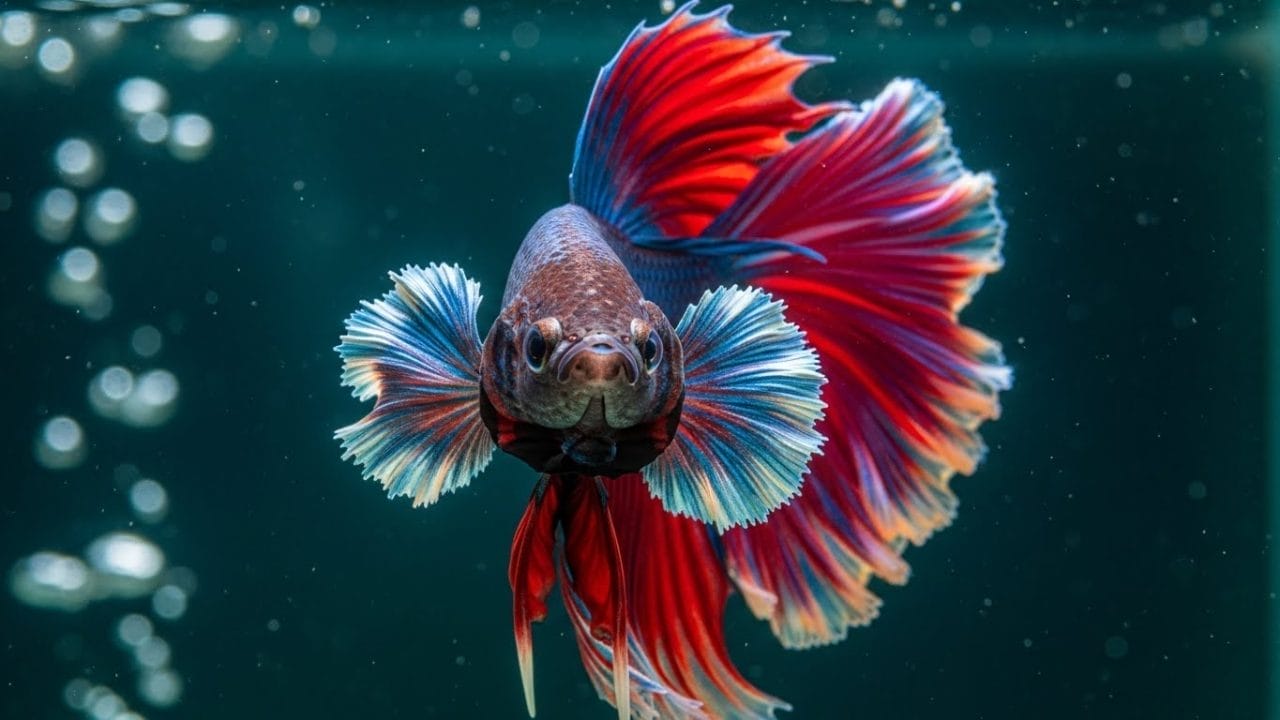
So your beautiful betta fish has turned into a tiny underwater rage machine. One minute they’re peacefully swimming around, the next they’re flaring at their own reflection like it insulted their mother. What gives?
Here’s the thing: your betta isn’t broken, they’re just being… well, a betta.
It’s Literally in Their DNA (Thanks, History)
Let’s rewind about 1,000 years.
Thai gamblers weren’t breeding these fish for their pretty colors – they were breeding them to fight. Think underwater cockfights, but with fish. For centuries, bettas were selectively bred to be aggressive killing machines, creating fish that would battle until one retreated or died.
Your peaceful aquarium pet? They’re carrying that warrior DNA.
Scientists at Columbia University recently found specific genes linked to betta aggression. These genes make them puff up their gills and bite rivals on sight. It’s not a choice – it’s hardwired into their brain.
The Real Reasons Your Betta is Acting Like a Jerk
They Think Everything is Their Property
In the wild, bettas have miles of rivers and rice paddies to roam.
Your 5-gallon tank? That’s a closet to them. And when you’re stuck in a closet with another dude, things get tense real fast.
Male bettas are insanely territorial. They’ll fight over food, bubble nests, and basically any scrap of space they can claim. It’s like if your neighbor kept wandering into your kitchen uninvited – eventually, you’d snap too.
Your Tank is Basically a Prison Cell
Imagine being stuck in an elevator. Now imagine someone else gets in. Then another person. Then five more people squeeze in.
That’s how your betta feels in an overcrowded or too-small tank.
Bettas need minimum 5 gallons, but honestly? 10 gallons is way better. In a cramped space, they’re constantly on edge, stressed, and ready to throw fins at anything that moves.
They’re Seeing Double (And They Hate It)
Your betta keeps flaring at the glass? They probably think there’s another fish staring them down.
Tank reflections trigger their aggression like nothing else. To them, that reflection is a rival male invading their territory 24/7. No wonder they’re pissed.
Stress Makes Them Mean
Just like humans get cranky when stressed, bettas lash out when their environment sucks.
Bad water quality, wrong temperature, sudden loud noises, illness, hunger – all of these turn your normally chill fish into an aggressive nightmare. When bettas are in pain or feeling vulnerable, they compensate by being more aggressive so they don’t appear weak to predators.
They’re Protecting Their Love Nest
Male bettas build bubble nests when they’re ready to mate.
Any fish that swims near that nest? Instant enemy. They’ll defend those bubbles like their life depends on it – because in the wild, it kind of does. Those nests represent their shot at passing on their genes.
Some Bettas Are Just Extra
Every betta has a different personality. Some are chill roommates who tolerate tank mates just fine. Others are paranoid dictators who attack everything that moves.
If your betta constantly paces the tank, flares at you during feeding despite months of ownership, or has “night time freakouts” when the lights go off – congratulations, you got yourself a naturally high-strung fish.
How to Tell If Your Betta is Actually Aggressive (Or Just Curious)
Not every fin flare means war is coming.
Curious bettas will check out new tank mates, maybe flare once or twice, then move on with their day.
Aggressive bettas stalk their targets like a cat hunting prey. Nothing diverts their attention. They’ll chase, nip constantly, and body-slam other fish until someone gets hurt or dies.
Watch for these red flags:
- Deliberate stalking with intense focus
- Constant chasing that doesn’t stop
- Nipping and biting that causes visible injuries
- Rapid gill movement and heavy breathing (stress sign)
- Sudden behavior changes – more withdrawn or more dominant
- Glass surfing – frantically pacing the tank sides
If your betta is doing one quick flare then swimming away? That’s normal posturing. If they’re launching full-scale attacks? Time to intervene.
How to Actually Calm Your Angry Fish Down
Give Them More Space (Seriously)
Get the biggest tank you can afford. A 10-gallon tank minimum if you want any hope of adding tank mates.
More space means less stress. Less stress means less aggression. It’s that simple.
For female sororities, you need 20+ gallons with a long horizontal layout. Tall tanks don’t work – bettas need swimming length, not height.
Add Hiding Spots Everywhere
Plants (live or fake), caves, driftwood, rocks – pile it in there.
Dense vegetation gives stressed fish places to retreat and breaks the line of sight between aggressive fish. When they can’t see each other constantly, they fight less.
Bonus: Indian almond leaves not only provide cover but release tannins that may reduce disease risk.
Kill the Reflections
Dim the lighting or add a background to your tank. Those reflections are triggering constant aggression for no reason.
If your betta is flaring non-stop at the glass, this is probably why.
Fix Your Water Quality
Test your water regularly. Keep these parameters stable:
- Temperature: 76-80°F (they prefer it warm)
- pH: 6.9-7.2 (neutral is best)
- Ammonia/Nitrite: 0 ppm (anything higher = stress city)
- Nitrates: Under 20 ppm
Bad water quality stresses fish out. Stressed fish = aggressive fish.
Do weekly 25% water changes minimum. Your betta will thank you by not being a psycho.
Choose Tank Mates Carefully (Or Don’t)
Here’s the truth: male bettas should never live with other male bettas. Period. They will fight to the death.
Male bettas with female bettas? Also terrible idea. He’ll harass her until she’s injured or dead.
If you absolutely must have tank mates, go with:
- Small, peaceful fish like neon tetras (in shoals of 12+)
- Bottom dwellers like corydoras that won’t invade the betta’s top-dwelling territory
- Shrimp and snails (though some bettas will hunt these)
Avoid anything with bright colors or flowing fins – your betta will think they’re another male and attack.
And honestly? If your betta shows any aggression, just keep them solo. They’re perfectly happy alone.
The Female Sorority Gamble
Female bettas can live together in a “sorority,” but it’s tricky as hell.
You need minimum 4-5 females (more is better), a 20-gallon long tank, tons of plants and hiding spots, and you need to add them all at once so they establish a pecking order together.
Even then, some females are too aggressive for sorority life. If you see body-slamming, fin ripping, or one fish being relentlessly bullied, separate them immediately.
Reduce Other Stressors
Feed them properly (high-protein diet, not junk). Keep the tank quiet. Don’t tap on the glass. Maintain a consistent light schedule.
Research found that SSRIs (like Prozac) actually reduce betta aggression, but that’s obviously not a practical home solution. The point is that serotonin levels affect their behavior – and environmental stress tanks those levels.
What If Nothing Works?
Some bettas are just aggressive. That’s their personality.
If you’ve tried everything and your betta is still terrorizing tank mates, the kindest thing is to give them their own tank. They’re not suffering alone – in fact, many bettas prefer solitary living.
Remember: in the wild, bettas only fight for a few minutes before one retreats. In captivity, the losing fish has nowhere to go, which is when fights turn deadly.
The Bottom Line
Your betta’s aggression isn’t random – it’s a combination of genetics, environment, and individual personality.
They were bred for centuries to be fighters. They’re territorial by nature. And when you stick them in a small, stressful environment with the wrong tank mates, that aggression explodes.
But here’s the good news: most aggression is manageable with the right setup.
Bigger tank. More hiding spots. Better water quality. Careful tank mate selection (or none at all). Remove reflections. Reduce stress.
Do these things, and you’ll probably have a calmer, happier fish.
And if your betta is still a rage-filled tiny demon after all that? Embrace it. You’ve got yourself a feisty little warrior with personality for days. Just give them their own kingdom and let them rule it in peace.
Ready to upgrade your betta’s setup? Start with tank size – it’s the single biggest factor in reducing aggression. Your fish (and your sanity) will thank you.

About Author
Hello, I’m Muntaseer Rahman, the owner of AcuarioPets.com. I’m passionate about aquarium pets like shrimps, snails, crabs, and crayfish. I’ve created this website to share my expertise and help you provide better care for these amazing pets.
Disclaimer
This site is owned and operated by Muntaseer Rahman. AcuarioPets.com is a participant in the Amazon Services LLC Associates Program, an affiliate advertising program designed to provide a means for sites to earn advertising fees by advertising and linking to Amazon.com. This site also participates in other affiliate programs and is compensated for referring traffic and business to these companies.