This post was created with help from AI tools and carefully reviewed by a human (Muntaseer Rahman) . For more on how we use AI on this site, check out our Editorial Policy.
Check Out These FREE Tools We Made JUST For You!
Why Did My Tree Frog Die? [13 Probable Reasons & Solutions]

Losing a tree frog out of nowhere is a gut punch.
One day it’s clinging to the glass, the next it’s gone, and you’re left replaying every single thing you did wondering where it went wrong.
So let me give you the straight answer first.
Most pet tree frogs die from a husbandry problem: wrong temperature, low humidity, unsafe water, bad diet, or stress from handling. A smaller number arrive already sick, get hurt in the tank, or simply reach old age.
The good news is that almost every cause on this list is preventable once you know what to look for.
Here are the 13 most common reasons tree frogs die, plus exactly how to stop each one.

First, Are You Sure It’s Actually Dead?
Before you spiral, rule out a false alarm.
Tree frogs go very still and flat when they’re cold, stressed, or sleeping, and a startled one can lock up so stiff it looks gone.
Gently check for slow breathing at the throat, and look for a response when you mist near it.
A frog that’s genuinely dead will be limp, often with a bloated belly after a while, and won’t react at all.
If it’s just cold and sluggish, warming the tank back to the correct range can bring it around.
1. It Was Already Sick When You Bought It
Sometimes the death isn’t your fault at all.
If your frog dies within the first week or two and your setup is dialed in, there’s a real chance it came home already sick.
Pet store and online frogs are often stressed, dehydrated, or carrying an infection before you ever meet them.
How to avoid it
Inspect before you buy. Skip any frog with cloudy eyes, sunken eyes, sores, weird lumps, or one that sits limp and unresponsive.
Always quarantine a new frog in a separate tank if you keep others, so nothing spreads.
2. The Temperature Was Wrong
Tree frogs are cold-blooded, so the tank temperature runs their entire body.
Too cold and their metabolism crashes. Too hot and they cook and stress out fast.
| Time | Ideal range |
|---|---|
| Daytime | 75 to 85°F |
| Night | 65 to 75°F |
Most tree frogs handle a brief dip toward 60°F, but sustained cold or a heat spike can kill them.
How to avoid it
Set up a warm side and a cool side so the frog can pick its spot.
Use a thermostat-controlled heat source and never let a heat lamp touch the lid or the frog’s skin.
A cheap digital thermometer in the tank takes all the guessing out of it.

3. The Air Was Too Dry
This one quietly kills a lot of tree frogs.
Tree frogs breathe partly through their skin, and that skin has to stay moist to absorb oxygen.
Aim for 60 to 80% humidity. If it drops under 50% for long, your frog is in real danger.
Dry air dries out the skin, the frog can’t breathe properly, and it goes downhill fast.
How to avoid it
Mist the tank with dechlorinated water once or twice a day, keep a slightly damp substrate, and add a water dish.
Hang a digital hygrometer (the combo gauge I keep on the screen) so you actually know your numbers instead of hoping.

4. The Substrate Was a Problem
The stuff on the floor of the tank matters more than people think.
Soggy, dripping-wet substrate breeds bacteria that make frogs sick.
And loose gravel or small stones can get swallowed with food and cause a fatal blockage.
How to avoid it
Use a moisture-friendly substrate like coconut fiber (my go-to substrate base), coconut husk, or sphagnum moss (keeps the humidity right).
Keep it damp but not waterlogged, spot-clean often, and deep-clean on a schedule.
5. The Water Wasn’t Safe
Tap water is one of the most common silent killers.
Tap water carries chlorine, chloramine, and sometimes heavy metals, and since tree frogs absorb water straight through their skin, they absorb those toxins too.
The same goes for misting. Misting with plain tap water soaks chemicals right into the frog.
How to avoid it
Only use dechlorinated, spring, or treated water for the dish AND for misting.
A water conditioner sorts this in seconds. Change the dish water before it gets dirty.
6. You Fed It the Wrong Things
Tree frogs are insect eaters, full stop.
Feeding the wrong items, or feeding prey that’s too big, can hurt or choke them.
Skip these:
- Wild-caught insects (pesticides and parasites)
- Dead or dried insects as a staple
- Fruit, veggies, or human food
- Pellets or food made for other pets
- Anything wider than the space between the frog’s eyes
A prey item too large is a genuine choking and impaction risk.
How to avoid it
Stick to appropriately sized live feeders like crickets, roaches, and the occasional worm.
Match prey size to the frog and follow a sane feeding schedule. Our full tree frog diet guide breaks it down.

7. It Wasn’t Getting the Right Nutrients
Feeding bugs alone isn’t enough.
Captive insects are low in calcium and vitamins, and over time that gap causes serious disease.
The big one is metabolic bone disease, where weak bones leave the frog limp, deformed, and eventually dead. Vitamin A deficiency is another common killer.
How to avoid it
Dust feeders with a calcium supplement at most feedings and a vitamin/D3 supplement a couple times a week.
Gut-load your insects (feed them well) a day or two before they go to the frog.
8. It Got Hurt in the Tank
Tree frogs are climbers, and climbers fall.
A frog can drop off the glass or a branch, land wrong, or scrape itself on sharp decor.
Small wounds get infected, and an untreated infection can turn deadly.
How to avoid it
Skip rough materials like artificial turf and jagged ornaments.
Don’t overcrowd the tank, make sure decor is smooth and secure, and get any real wound looked at by an exotics vet.

9. The Tank Had No Airflow
A sealed-up, stagnant tank is a stressful, unhealthy place.
Without ventilation the air goes stale, mold creeps in, and the frog gets stressed and sick.
How to avoid it
Use an enclosure with proper cross-ventilation, usually a screen top or side vents.
Just make sure the gaps are escape-proof, because tree frogs are tiny escape artists.
10. You Handled It Too Much
Tree frogs are look-don’t-touch pets.
Their skin is thin and absorbent, so the oils, soap, lotion, and salt on your hands soak right in.
Frequent or careless handling is a real cause of tree frog death, not just a “be gentle” warning.
A squeeze or a stressful grab can also injure them directly.
How to avoid it
Only handle when you truly have to, like a health check or a tank move.
Wash your hands with plain water (no soap residue), wear damp gloves, and keep it short.
11. The Tank Was Dirty (Poor Husbandry)
“Low maintenance” doesn’t mean “no maintenance.”
Tree frogs are easy compared to a lot of pets, but a neglected tank turns into a bacteria farm.
Dirty water, fouled substrate, and uneaten food lead to infections like red leg, which is often fatal.
How to avoid it
Spot-clean waste and leftovers daily, and do a deeper clean every week or two.
Keep water, substrate, and decor clean, and keep heat and humidity in range.
12. It Had a Disease
Sometimes an illness is already underway before you spot it.
Common tree frog diseases include:
- Red leg (bacterial infection)
- Metabolic bone disease
- Chytrid fungus
- Edema and dropsy (fluid buildup)
- Impaction
- Parasites
Many of these trace back to the husbandry issues already on this list, which is why prevention beats treatment.
How to avoid it
Catch problems early. Watch for cloudy eyes, lethargy, weight loss, swelling, color changes, and loss of appetite.
See an exotics vet fast and never dose your frog with random medication on your own. You can learn the warning signs in our guide on treating a sick tree frog.
13. It Was Just Old
Sometimes there’s no mistake to find. The frog simply got old.
And here’s where a lot of guides get it wrong: tree frog lifespan depends heavily on the species.
| Species | Typical lifespan in captivity |
|---|---|
| White’s (dumpy) tree frog | 7 to 16 years, sometimes 20+ |
| American green tree frog | around 2 to 6 years |
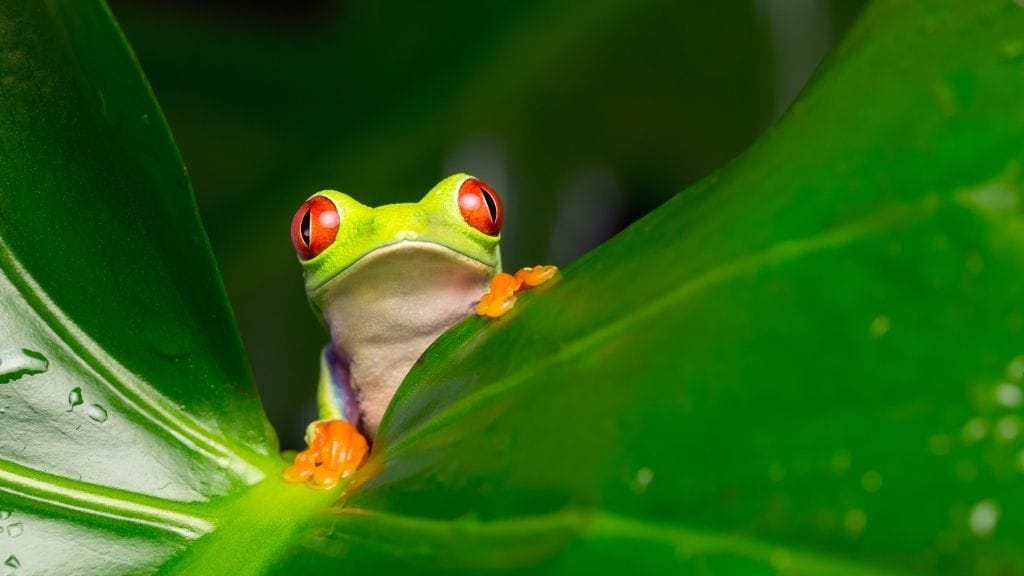
| Red-eyed tree frog | around 5 years |
So if your White’s tree frog lived past a decade, or your American green made it several good years with no warning signs, old age is the likely answer. That’s not failure, that’s a life well kept.

Is My Tree Frog Dead or Just Cold?
People often ask if their tree frog is “hibernating.”
Here’s the honest version: the popular pet species (White’s, American green, red-eyed) are not built to hibernate or freeze, and a properly heated tank shouldn’t trigger anything like it.
So a cold, stiff, barely-responsive frog usually isn’t peacefully hibernating. It’s too cold and in trouble.
Warm the tank back to the right range and watch closely. If it doesn’t perk up and respond within a reasonable time, treat it as a medical emergency, not a nap.

How Do You Save a Dying Tree Frog?
If you catch it early, you sometimes can.
First, look for the symptoms: cloudy eyes, lethargy, swollen limbs, color changes, loss of appetite, or visible wounds.
Next, fix the obvious environment problems immediately. Get temperature, humidity, and water back into safe ranges.
Then call an exotics vet. Don’t wait, and don’t medicate blind.
A frog caught at the first sign of trouble has a far better shot than one that’s been declining for a week.
Final Thoughts
Most tree frog deaths come down to a handful of fixable things: heat, humidity, water, food, and leaving them alone.
Get those five right and you’ve already dodged the majority of what’s on this list.
Tree frogs can be wonderful long-term pets, especially the hardy White’s, so dial in the basics and give your next one its best shot.

About Author
Hello, I’m Muntaseer Rahman, the owner of AcuarioPets.com. I’m passionate about aquarium pets like shrimps, snails, crabs, and crayfish. I’ve created this website to share my expertise and help you provide better care for these amazing pets.
Disclaimer
This site is owned and operated by Muntaseer Rahman. AcuarioPets.com is a participant in the Amazon Services LLC Associates Program, an affiliate advertising program designed to provide a means for sites to earn advertising fees by advertising and linking to Amazon.com. This site also participates in other affiliate programs and is compensated for referring traffic and business to these companies.