This post was created with help from AI tools and carefully reviewed by a human (Muntaseer Rahman) . For more on how we use AI on this site, check out our Editorial Policy.
Check Out These FREE Tools We Made JUST For You!
Safe and Toxic Plants for Chameleon Enclosures: Complete List

Look, I’m not going to sugarcoat this: putting the wrong plant in your chameleon’s cage is like handing them a poisonous salad bar.
Your color-changing friend deserves better than that. So let’s talk about which plants will turn their home into a jungle paradise and which ones might turn it into a trip to the emergency vet.
Why Plants Matter More Than You Think
Here’s the thing about chameleons – they’re basically tiny, grumpy tree dwellers who spend their entire lives pretending to be leaves.
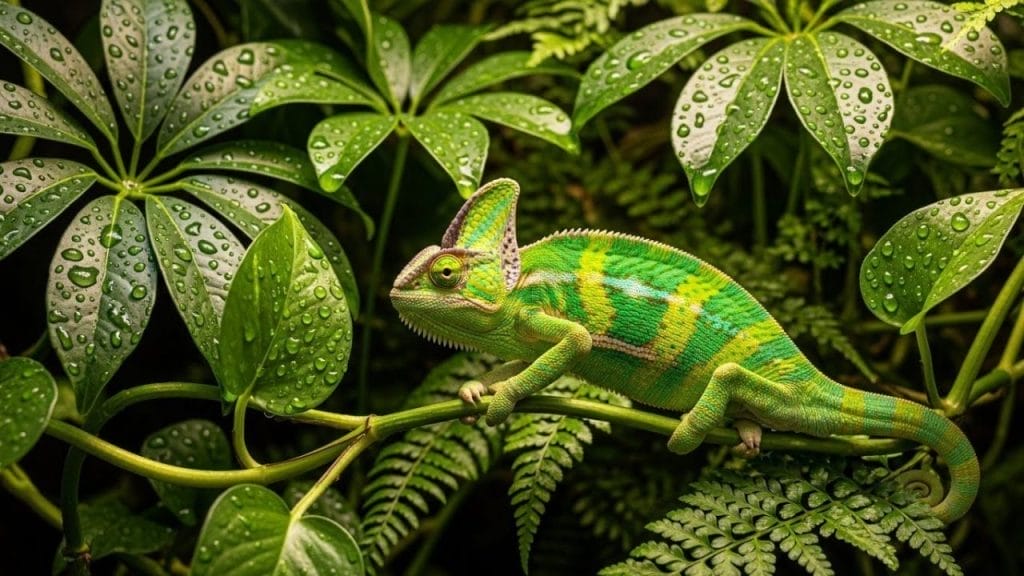
Plants aren’t just decoration in their world. They’re the drinking fountains (water droplets on leaves), the privacy screens, the climbing gyms, and sometimes the salad course. Especially if you’ve got a Veiled chameleon, because those little guys think they’re part vegetarian.
Get this: a chameleon enclosure without proper plants is like giving someone a house with no furniture. Sure, you can survive in it, but you’re going to be pretty miserable and probably develop some weird habits.
The Golden Rules Before We Dive In
Before I give you the plant lists, let me save you some headaches:
Rule #1: Wash everything.
Those pretty plants from Home Depot? They’re probably dripping with pesticides that’ll make your chameleon sick. Rinse them like your life depends on it (because your chameleon’s life kind of does).
Rule #2: Avoid milky sap.
If a plant oozes white stuff when you break a stem, that’s nature’s way of saying “danger!” Most plants with milky sap are toxic as hell.
Rule #3: Fake plants are a bad idea.
Yeah, they’re easier to care for, but chameleons sometimes nibble on leaves. Eating plastic is never on anyone’s recommended diet plan.
Quick Reference Tables
Definitely Safe Plants
| Plant Name | Scientific Name | Veiled Tested? | Notes |
|---|---|---|---|
| Golden Pothos | Epipremnum aureum | Yes | Decades of safe use |
| Ficus Benjamina | Ficus benjamina | Yes | Can grow very large |
| Umbrella Plant | Schefflera arboricola | Yes | Great water holder |
| Hibiscus | Hibiscus rosa-sinensis | Yes | Needs lots of light |
| Rubber Plant | Ficus elastica | Partial | Watch for excessive eating |
| Spider Plant | Chlorophytum comosum | Yes | Excellent trailing plant |
| Boston Fern | Nephrolepis exaltata | No reports | High maintenance watering |
| Air Plants | Tillandsia spp. | No reports | No soil needed |
| Areca Palm | Dypsis lutescens | No reports | Great oxygen producer |
| Hoya (Wax Plant) | Hoya spp. | Yes | Heat tolerant |
Definitely Avoid
| Plant Name | Scientific Name | Why It’s Dangerous |
|---|---|---|
| Philodendron | Philodendron spp. | Calcium oxalate crystals |
| Croton | Codiaeum variegatum | Toxic milky sap |
| Creeping Fig | Ficus pumila | Irritating sap |
| Fiddle-Leaf Fig | Ficus lyrata | Toxic to chameleons |
| Zulu Fig | Ficus rubiginosa | Causes digestive upset |
| Regular Ivy | Hedera spp. | Documented toxicity |
| Milkweed | Calotropis spp. | Contact and ingestion toxic |
| Plants with Thorns | Various | Physical danger |
| Dumb Cane | Dieffenbachia spp. | Highly toxic |
The Safe Plant All-Stars
These are the MVPs of the chameleon plant world. They’ve been tested by thousands of keepers and more importantly, eaten by countless Veiled chameleons who lived to tell the tale.
Pothos (Golden Pothos/Devil’s Ivy)
This is the Tom Hanks of chameleon plants – reliable, beloved by everyone, and basically impossible to kill.
Fun fact: Pothos shows up on dog and cat poison lists, which freaked everyone out for years. But here’s the wild part: decades of Veiled chameleons munching on pothos leaves with zero health issues proved it’s safe for them. It’s like how chocolate kills dogs but humans eat it by the pound.
The heart-shaped leaves catch water perfectly, and the trailing vines create those secret hideouts chameleons love. Plus, you can propagate new plants from cuttings, which is just free plants. Who doesn’t love free stuff?
Ficus Benjamina (Weeping Fig)
When people talk about ficus for chameleons, this is what they mean 99% of the time.
It’s got dense foliage that creates a proper jungle canopy, and the woody stems are sturdy enough for even chunky chameleons to climb. Veiled chameleons have been documented stripping these trees down to stems and coming back for seconds with no side effects.
The only downside? These trees can get pretty massive, so make sure you’ve got the space. Also, keep it away from your basking lamp’s direct heat or it’ll turn into a crispy critter.
Schefflera (Umbrella Plant)
Those broad, umbrella-like leaves aren’t just pretty – they’re functional as hell.
The leaves hold water droplets like tiny pools, perfect for chameleons who refuse to drink from standing water (which is most of them, because they’re stubborn). The dense foliage gives your chameleon multiple levels to perch at different temperatures.
Schefflera is also “Veiled tested” which means someone’s chameleon ate it and lived to brag about it. That’s the seal of approval you want.
Hibiscus
If chameleons could rate plants on Yelp, hibiscus would have five stars.
The big, colorful flowers add a pop of beauty, and Veiled chameleons actually enjoy munching on hibiscus leaves – it’s like their version of eating their vegetables. The branches are sturdy, and the whole plant creates great climbing opportunities.
The catch? Hibiscus needs a TON of light. You might need to rotate plants between indoor and outdoor to keep them happy, like they’re on some kind of botanical timeshare.
Rubber Plant (Ficus Elastica)
Those thick, glossy leaves aren’t just Instagram-worthy – they’re built like a jungle gym.
The leaves can handle being near (not under!) heat lamps without turning into leaf jerky. The sturdy stems support even the chonkiest chameleons, making it perfect for large species.
Word of warning: the milky sap can be somewhat toxic in large amounts. Most chameleons ignore rubber plants completely, but if yours develops a taste for it, swap it out.
Spider Plant
These are the trailing vines you didn’t know you needed.
Spider plants create excellent hiding spots and provide tons of surface area for drinking. They’re basically Pothos’s skinnier cousin – same great function, slightly different look.
Plus they’re nearly indestructible, which is great when you inevitably forget to water them for three weeks.
Boston Fern
If you want to watch your chameleon’s colors dance, get a Boston fern.
The feather-like leaves create this gorgeous dappled light effect that makes color changes look absolutely stunning. The dense foliage holds water droplets perfectly, and the plant loves humidity (which your chameleon needs anyway).
Fair warning: Boston ferns can be drama queens about watering. They want their soil moist at all times, or they’ll throw a tantrum and turn brown.
Air Plants (Tillandsia)
These weird little guys don’t even need soil.
You can stick them anywhere in the enclosure for extra visual appeal and climbing spots. They’re generally safe and won’t cause issues if your chameleon decides to take an experimental nibble.
Just make sure they’re pesticide-free before introducing them, because air plants absorb everything from their environment.
Areca Palm
This one’s on the list for a cool reason: it’s ranked high among oxygen-producing indoor plants.
Chameleons come from lush rainforests with oxygen-rich air, so giving them a plant that actively improves air quality is like upgrading from regular air to premium air. The sturdy stems catch water well, and the dense leaves create perfect hiding spots.
Grape Ivy
Need some lighter coverage? Grape ivy’s got you covered.
It’s easy to manipulate into different structures, giving you creative control over your chameleon’s habitat. Just keep it between 60-80°F – anything above that and it’ll die faster than your motivation to go to the gym in January.
The Plant Shapes That Actually Matter
Smart keepers don’t just throw random plants in an enclosure. They think strategically about plant shapes.
- Centerpiece plants like Ficus or Schefflera go in the middle (or you know, anywhere really) and create the main structure.
- Trailing plants like Pothos hang from the sides and create those curtain-like hiding spots.
- Wall cover plants break up the artificial cage walls and help with humidity.
- Accent plants fill in gaps and add visual interest.
Mix and match these shapes, and you’ve got yourself a proper chameleon paradise instead of a sad terrarium with one dying plant in the corner.
The Toxic Plants That’ll Ruin Your Day
Alright, now for the scary stuff. These plants might look great, but they’re basically poison to your chameleon.
Philodendrons (Most Species)
This is where things get confusing because Pothos looks similar to philodendrons.
Philodendrons contain calcium oxalate crystals that basically act like tiny needles in your chameleon’s mouth and digestive system. When bitten, these crystals puncture delicate mucous membranes. It’s as painful as it sounds.
The split-leaf philodendron (Monstera deliciosa) is particularly controversial – some lists say it’s safe, others say it’s toxic. When in doubt, I’d skip it. Better safe than sorry when we’re talking about your pet’s life.
Crotons
These plants have gorgeous, colorful leaves that scream “put me in your vivarium!”
Don’t fall for it. Crotons have milky sap that’s highly toxic to chameleons and basically every other animal on Earth. We’re talking vomiting, diarrhea, and skin irritation. They’re beautiful but deadly – like the angelfish of the plant world.
Certain Ficus Species
Not all ficus plants are created equal, and this is where people get into trouble.
Creeping Fig (Ficus pumila), Fiddle-Leaf Fig, and Zulu Fig can all cause irritation and digestive problems. Stick with Ficus benjamina (Weeping Fig), which has decades of safe use documented. The others? Hard pass.
Ivy (Hedera)
This one’s particularly nasty because ivy is so common in homes.
Ivy will kill bearded dragons, and while there’s less documented evidence for chameleons, why risk it? The similar-looking Grape Ivy is safe, but regular Hedera ivy is bad news.
Plants with Thorns or Sharp Edges
Roses, bougainvillea, some bromeliads, stinging nettle – basically anything that could poke or cut your chameleon.
Yeah, chameleons in the wild deal with thorny plants just fine. But in a cage, thorns are more dangerous to YOU when you’re trying to maintain the enclosure. Plus, they take up space your chameleon can’t safely use.
Milkweed (Calotropis)
The name should be your first clue that milky sap is involved.
Milkweed is toxic through ingestion AND contact, meaning your chameleon doesn’t even have to eat it to get sick. That’s a double threat you don’t need in your life.
Chameleon Plant (Houttuynia cordata)
The irony here is almost funny.
Despite having “chameleon” in the name, this plant is not recommended because it’s invasive and information on its toxicity is limited. When something’s called “chameleon plant” but chameleon experts say to avoid it, you know the universe has a sense of humor.
The Controversial Middle Ground
Here’s where things get interesting. Some plants are technically toxic but chameleons seem to ignore the memo.
Pothos, Ficus benjamina, and Schefflera all appear on mammal toxicity lists. Yet Veiled chameleons regularly reduce these to bare stems with zero health issues. Some Veiled chameleons even munch on plants considered more dangerous like philodendron and croton (though I wouldn’t recommend testing this).
What gives? Chameleons aren’t mammals, and their digestive systems work differently. The poison lists we use are based on dogs, cats, and birds. It’s like trying to use a recipe for bread to make sushi – the ingredients just don’t translate.
The chameleon community has learned through decades of collective experience which plants are actually safe. That’s way more reliable than extrapolating from what kills a Labrador.
Species-Specific Notes
Not all chameleons are created equal when it comes to plant munching.
Veiled Chameleons (Chamaeleo calyptratus) are the plant-eating champions. They’re omnivores who regularly supplement their insect diet with leaves. This is why almost all “tested” plants are Veiled-tested – they’re the guinea pigs of the chameleon world.
Panther Chameleons rarely eat plants. Some keepers report never seeing their Panthers take a single bite. That said, you still want safe plants because accidents happen.
Jackson’s Chameleons occasionally nibble but aren’t as enthusiastic as Veileds.
The key takeaway? If a plant is safe for a Veiled chameleon (who actively tries to eat everything), it’s probably fine for other species.
Pro Tips from the Experts
Wash your plants with mild, unscented dish soap before adding them to the enclosure. Then rinse them like you’re trying to remove evidence of a crime. Those pesticides from commercial growers aren’t joke.
Repot in organic soil and cover the top with large river rocks so your chameleon can’t eat the dirt. Yes, some chameleons will absolutely try to eat dirt given the chance. They’re not always bright.
Match plants to their light needs. Some plants love being near the basking spot, others will crisp up like bacon. Rubber plants and Hoyas can handle more heat than delicate Pothos leaves.
Create multiple levels with your plant placement. Chameleons thermoregulate by moving to different temperatures, so give them options from cool to toasty.
Don’t overcrowd. Your chameleon needs room to move around. A jungle is great; a maze they can’t navigate is not.
The Bottom Line on Plant Safety
Here’s the truth: we don’t have a perfect understanding of what’s toxic to chameleons because nobody’s done comprehensive scientific studies on it.
What we DO have is decades of collective experience from thousands of keepers who’ve documented what works and what doesn’t. That’s arguably better than lab studies because it’s based on real-world conditions with real chameleons.
The “safe” lists aren’t guarantees, they’re probabilities based on extensive field testing. When a plant has been eaten by hundreds of Veiled chameleons over twenty years with zero incidents, that’s pretty damn good evidence it’s safe.
The flip side? Avoid plants with known toxicity to other animals unless there’s strong evidence they’re safe for chameleons. The risk just isn’t worth it when there are so many proven safe options.
The Final Word
Setting up a chameleon enclosure is part science, part art, and part educated guessing based on community wisdom.
Start with the proven safe plants like Pothos, Ficus benjamina, and Schefflera. These are your foundation – the reliable friends who show up on moving day. Add variety with spider plants, hibiscus, and palms.
Stay far away from plants with milky sap, thorns, or documented toxicity. There are too many safe options to risk your chameleon’s health on questionable plants.
And remember: live plants aren’t just pretty decorations. They’re functional necessities that maintain humidity, provide drinking surfaces, offer privacy, and sometimes supplement your chameleon’s diet. A proper planted enclosure can mean the difference between a stressed chameleon and a thriving one.
Now get out there and create a jungle paradise that’ll make your color-changing friend actually happy to be in captivity. They’re depending on you to not screw this up.

About Author
Hello, I’m Muntaseer Rahman, the owner of AcuarioPets.com. I’m passionate about aquarium pets like shrimps, snails, crabs, and crayfish. I’ve created this website to share my expertise and help you provide better care for these amazing pets.
Disclaimer
This site is owned and operated by Muntaseer Rahman. AcuarioPets.com is a participant in the Amazon Services LLC Associates Program, an affiliate advertising program designed to provide a means for sites to earn advertising fees by advertising and linking to Amazon.com. This site also participates in other affiliate programs and is compensated for referring traffic and business to these companies.