This post was created with help from AI tools and carefully reviewed by a human (Muntaseer Rahman) . For more on how we use AI on this site, check out our Editorial Policy.
Check Out These FREE Tools We Made JUST For You!
Top 50 Most Expensive Freshwater Shrimp Ranked By Price (2026)
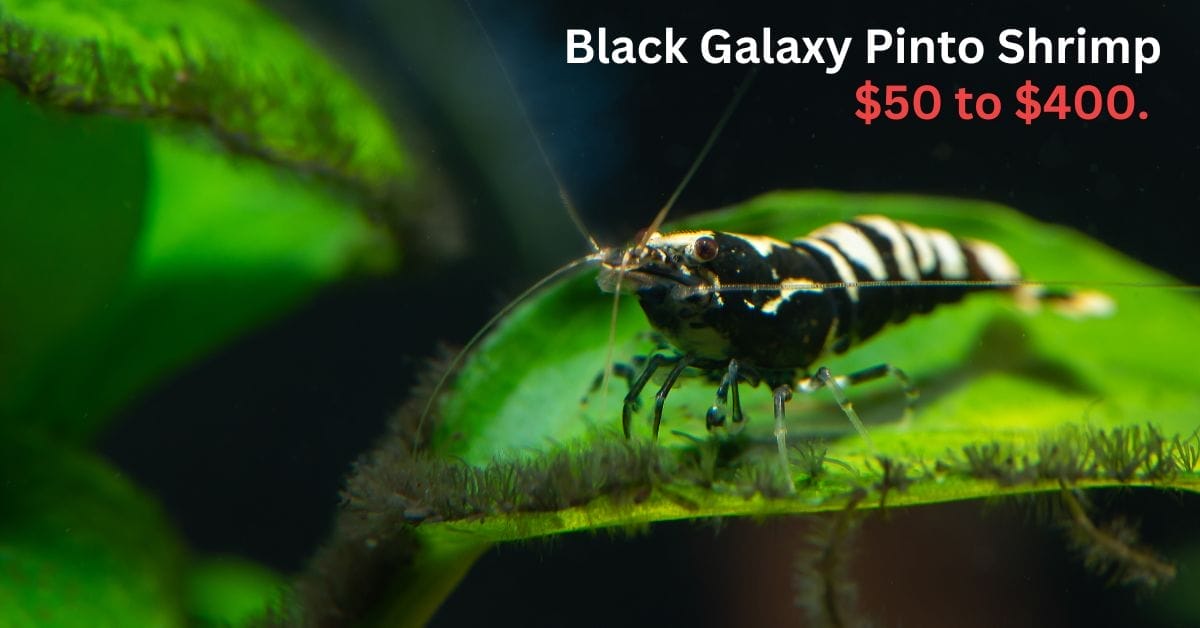
A pair of breeder-grade Black Galaxy Pinto shrimp can run you $400. A single Benibachi Hinomaru SSS has sold for $950.
Welcome to the deep end of the shrimp hobby — where price tags read more like aquascape budgets, and a single Caridina line can take a hobbyist a decade to dial in.
The most expensive freshwater shrimp commonly sold today include Black Galaxy Pinto Shrimp, Shadow Panda Shrimp, Red Calceo Shrimp, and Sulawesi White Orchid Shrimp — all in the $50–$400 range per shrimp. Show-grade Japanese Caridina lines (Benibachi) routinely cross $900.
Below is the full price ladder: 50 freshwater shrimp ranked roughly by entry price, grouped into tiers so you can find your own ceiling. I’ve kept the tables for quick scanning and added context on why each tier costs what it does.
Key Takeaways
- Cherry shrimp at an LFS run $4–$6 each in 2026. Once you cross into Caridina and Sulawesi territory, a single shrimp can cost more than a starter tank.
- Price is driven by four things: grade (color saturation + pattern complexity), breeding difficulty, survival rate of fry, and whether the line is wild-caught or stable in captivity.
- The very top of the market — Benibachi-grade Hinomaru and Mosura SSS — is collector territory, not aquarium-keeping territory.
What Actually Makes A Shrimp Expensive?
Four factors do most of the work:
- Grade. Caridina and high-end Neocaridina use letter scales (C → B → A → S → SS → SSS) tied to color depth, white opacity, and pattern symmetry. The same species can span $10 (Grade C) to $300+ (Grade SSS).
- Breeding difficulty. Black King Kong lines have around a 10% live-breeding success rate. Sulawesi species drop fewer eggs and demand precise water chemistry. That math gets baked into the price.
- Wild-origin vs. captive-bred. Sulawesi shrimp from Lake Poso and Lake Matano were heavily collected for years. As wild stocks declined, prices rose and reputable captive lines became premium.
- Crossbreeding luck. Black Galaxy Pinto and Shadow Panda aren’t products — they’re outcomes. Most pairings don’t throw the pattern, and the few that do command the headline prices.
Tier 1: Entry-Level Rares — Cherry, Opae Ula & Sky Blue Velvet ($5–$73)

| # | Species | Price | Coloration |
|---|---|---|---|
| 1 | Sakura Red Cherry Shrimp | $4.99–$70.99 | Red body with clear patches on lower body and legs |
| 2 | Opae Ula Shrimp | $4.99–$72.99 | Red, pink, yellow, orange spectrum — sometimes white or clear |
| 3 | Sky Blue Velvet Shrimp | $5.98–$69.99 | Sky-blue body |
This is the on-ramp. Sakura Red Cherry is the high-grade Neocaridina davidi most beginners eventually graduate to — clean red coverage, easy to keep, easy to breed.
Opae Ula shrimp are the curiosity of the group. They’re brackish, not freshwater, and live for 10+ years in low-maintenance jar setups. Wild populations in Hawaii are largely gone, which is why captive prices have climbed.
Sky Blue Velvet sits on the more affordable end of the Neocaridina blue lines — a softer, paler blue than the premium tiers further down.
Tier 2: Selectively Bred Neocaridina Colors ($7–$110)

| # | Species | Price | Coloration |
|---|---|---|---|
| 4 | Black Rose Shrimp | $6.99–$109.99 | Solid black |
| 5 | Red Rili Shrimp | $6.99–$109.99 | Bright red with translucent white striping |
| 6 | Snowball Shrimp | $6.99–$109.99 | Translucent white |
| 7 | Painted Fire Red Shrimp | $6.99–$109.99 | Solid deep red |
| 8 | Orange Sakura Shrimp | $6.99–$109.99 | Bright orange |
All five are selectively bred lines of Neocaridina. The grade ladder is everything here — a Painted Fire Red SSS (fully opaque, no translucent patches) easily clears $100, while the same line at Grade A is in the teens.
Snowball shrimp earned their name from the white eggs the females carry — a flag that you’ve found a stable breeding pair, which is part of why they’re priced where they are.
Tier 3: Rili Patterns & Golden Bee ($8–$30)
| # | Species | Price | Coloration |
|---|---|---|---|
| 9 | Carbon Rili Shrimp | $7.99–$29.99 | Black body with a clear midsection |
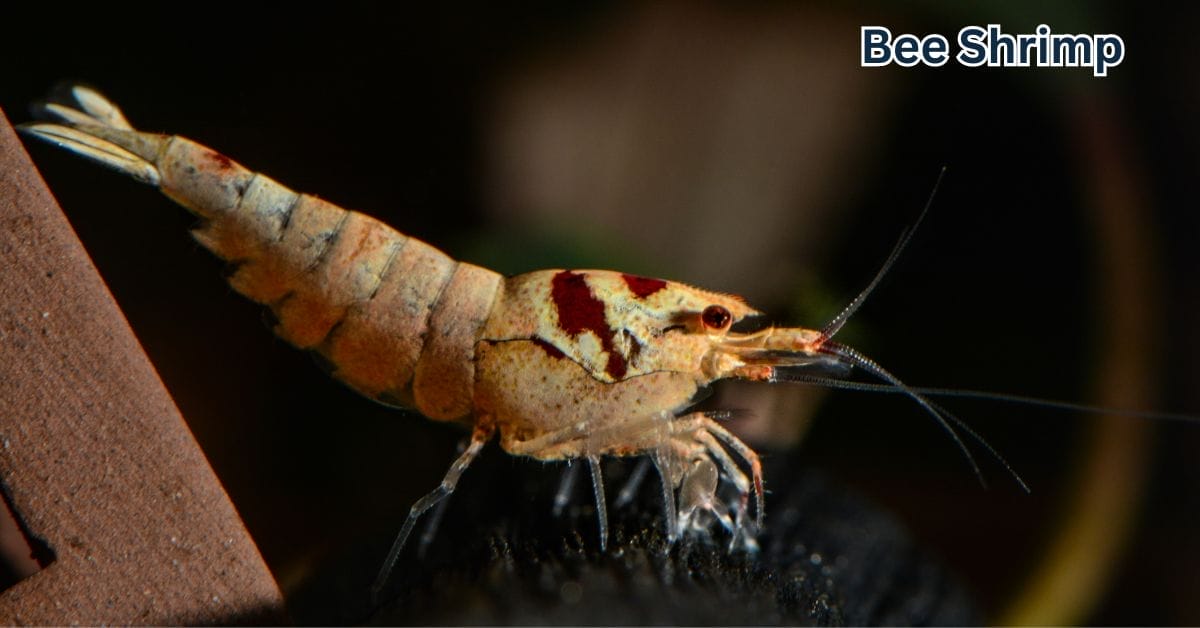
| 10 | Golden Bee Shrimp | $7.99–$29.99 | Orange or golden |
| 11 | Orange Rili Shrimp | $7.99–$29.99 | Bright orange with translucent white middle |
| 12 | Rudolf The Red Nose Shrimp | $7.99–$29.99 | Semi-transparent with red and yellow lines, red rostrum |
Rili patterns are the “racing stripe” of the shrimp world — a band of clarity in the middle of an otherwise saturated body. Carbon Rili and Orange Rili are the cleanest examples.
Golden Bee is a Caridina, not a Neocaridina, which means it needs softer, more acidic water than the rest of this tier. Most failed Golden Bee tanks fail on water chemistry, not feeding.
Rudolf the Red Nose is a wild species — Caridina gracilirostris — and its long red rostrum is real, not a selective trait.

Tier 4: Sulawesi Harlequin & Yellow Specialty ($9–$116)

| # | Species | Price | Coloration |
|---|---|---|---|
| 13 | Sulawesi Harlequin Shrimp | $8–$94.99 | Red and white body with three bands |
| 14 | Golden Back Yellow Shrimp | $8.99–$115.99 | Yellow with a golden dorsal line |
| 15 | Amazon Zebra Shrimp | $9–$69.99 | Reddish-brown body with dark horizontal stripes |
Sulawesi Harlequin is the entry point into Sulawesi shrimp — and it’s where most people abandon Sulawesi keeping. They want high pH (7.8–8.4), warm water (28–30°C), and stable mineral content that’s a pain to maintain.
Golden Back Yellow is the SSS-grade of yellow Neocaridina — a clean yellow body broken by a single golden dorsal stripe.
Amazon Zebra Shrimp skip the larval stage entirely — the babies are miniature adults from the moment they hatch. That’s a rare survival trait that makes captive breeding viable, and a key reason the price holds.
Tier 5: Black King Kong & High-Grade Neocaridina ($11–$262)
| # | Species | Price | Coloration |
|---|---|---|---|
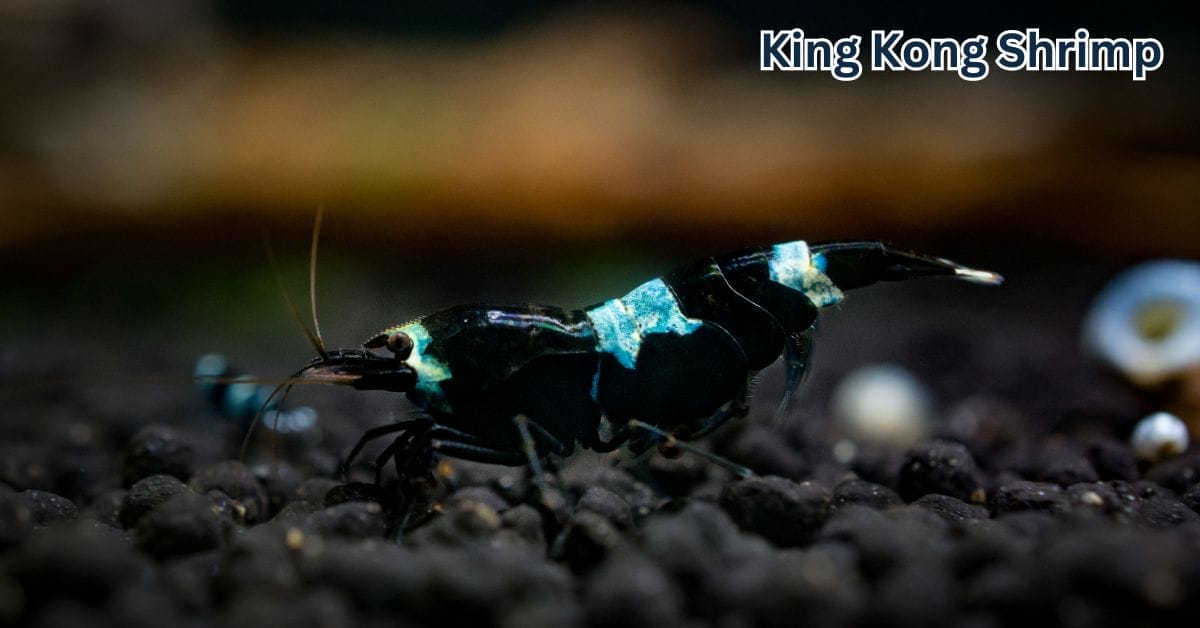
| 16 | Black King Kong Shrimp | $10.99–$261.99 | Black with one or two white stripes |
| 17 | Bloody Mary Shrimp | $10.99–$132.99 | Deep blood-red |
| 18 | Green Emerald Shrimp | $10.99–$159.99 | Dark green |
| 19 | Red Onyx Shrimp | $10.99–$173.69 | Hues of dark maroon and red |
| 20 | Green Jade Shrimp | $10.99–$159.99 | Lighter green with yellowish-blue marks |
| 21 | Dream Blue Velvet Shrimp | $10.99–$159.99 | Deep sapphire blue |
Black King Kong is where the price curve gets steep. Breeders report success rates around 10% for producing the true black-and-white pattern, and the rest of the offspring sell for a fraction.
Bloody Mary is what you get when you take a Cherry shrimp line and select for opacity over generations. The deep red isn’t a surface tint — it’s pigment running through the body, which is why the color holds in any tank.
Green Emerald and Green Jade are the two stable green Neocaridina lines, both rare and both prone to throwing off-color offspring. Skilled breeders separate every generation by hand to keep the line clean.
Dream Blue Velvet is the SSS-grade of the blue Neocaridina ladder — and the price reflects how few hobbyists can hold that grade across a breeding cohort.
Tier 6: Glass, Ninja & Red Fancy Tiger ($13–$240)

| # | Species | Price | Coloration |
|---|---|---|---|
| 22 | Asian Glass Shrimp | $12.99–$210 | Nearly transparent with thin black lines |
| 23 | Ninja Shrimp | $12.99–$240 | Cycles through red, orange, brown, cream |
| 24 | Red Fancy Tiger Shrimp | $12.99–$55.99 | Red body with white stripes |
Ninja shrimp (Caridina serratirostris) are the chameleon of the shrimp world — they change color in response to mood, environment, and substrate. Captive breeding is rare enough that most stock is still wild-collected, which sets the ceiling.
Red Fancy Tiger is a Tiger Shrimp / Crystal Red cross. Pattern stability is the price driver here — a clean S-grade animal with crisp white striping is many times more valuable than a muddy Grade A.
Tier 7: Blue Diamond, Vampire & Blue Bolt ($15–$290)

| # | Species | Price | Coloration |
|---|---|---|---|
| 25 | Blue Diamond Shrimp | $14.99–$232.99 | Greenish-blue to sapphire blue |
| 26 | Red Pinto Zebra Shrimp | $15–$119 | Red body with white stripes |
| 27 | Vampire Shrimp | $16.99–$24.99 | White, translucent grey, blue, or cream |
| 28 | Blue Bolt Shrimp | $16.99–$289.99 | Sky blue with white spotting |
Blue Diamond is bred from Chocolate Neocaridina. The strain isn’t fully stable — even SSS pairs throw the occasional brown shrimp, which is why color-locked breeding stock commands the top end.
Blue Bolt is the Caridina blue line, not Neocaridina — softer water, fussier, and far more valuable. A full-coverage Blue Bolt with no white patches is what pushes a tank toward $290 per shrimp.
Vampire shrimp (Atya gabonensis) is the odd one out — it’s a filter feeder, not a grazer, and far more common than its inclusion here suggests. Most are wild-collected, hence the price floor.
Tier 8: Wild-Origin Blues — Aura, Jelly, Poso & Red Nose ($18–$240)
| # | Species | Price | Coloration |
|---|---|---|---|
| 29 | Blue Jelly Shrimp | $18–$75 | Light blue in a semi-transparent body |
| 30 | Blue Aura Shrimp | $18–$239.99 | Ice-blue with black spots and horizontal stripes |
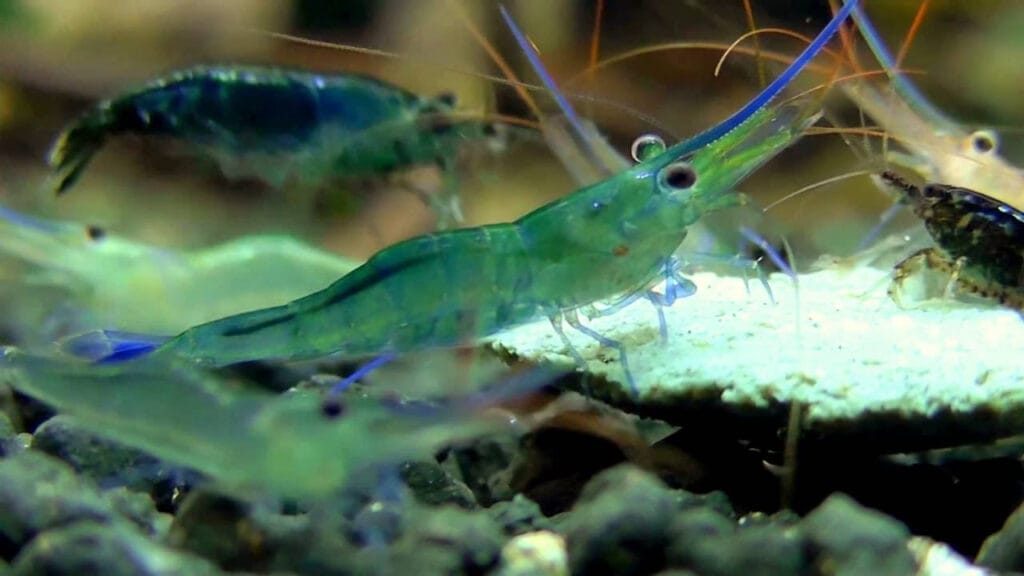
| 31 | Blue Leg Poso Shrimp | $18–$80 | Clear body with blue tail and red antenna |
| 32 | Red Nose Shrimp | $18–$70.99 | Semi-transparent with yellow back-stripes and red side-lines |
Blue Aura is a cross between Tangerine Tiger and Blue Bolt — a difficult pairing that throws blue stripes maybe once in a hundred offspring. The price tracks the rarity, not the species.
Blue Leg Poso comes from a single lake — Lake Poso in Indonesia. There is no captive breeding line of meaningful scale. Every Blue Leg Poso you see is wild-collected, which is also why availability swings violently season to season.
Red Nose (Caridina gracilirostris — same genus as Rudolf, different morph) has a five-stage larval cycle, which means most home-tank “breedings” produce zero adult shrimp.
Tier 9: Cardinal Sulawesi & Golden Eye Blue Tiger ($20–$335)

| # | Species | Price | Coloration |
|---|---|---|---|
| 33 | Cardinal Sulawesi Shrimp | $19.99–$334.99 | Light red to deep wine red, white-spotted legs |
| 34 | Sulawesi Red Line Shrimp | $19–$79.99 | Elongated red body with vertical white lines |
| 35 | Red Wine Shrimp | $19.99–$179.99 | Red body with white stripes |
| 36 | Golden Eye Blue Tiger | $21–$319.50 | Blue body with black tiger stripes, orange eyes |
| 37 | Extreme Red King Kong | $22.50–$95 | Solid deep red |
Cardinal Sulawesi is the most photographed shrimp in the hobby — deep wine-red bodies, bright white legs and antennae, mineral-rich Sulawesi tank as a backdrop. They also lay among the fewest eggs of any popular species, which keeps even captive lines expensive.
Red Wine grades go C, B, A, S, SS, SSS. The SSS animals are where the $179 ceiling kicks in.
Golden Eye Blue Tiger lives up to its name — that orange-eye trait over a deep blue body is the kind of feature you can spot from across a tank, and it commands a premium because it doesn’t dilute when outcrossed.
Tier 10: Crystal-Line Caridina — Gold Nebula, Crystal Black & Panda ($24–$100)
| # | Species | Price | Coloration |
|---|---|---|---|
| 38 | Gold Nebula Shrimp | $23.99–$99.98 | Transparent body with grey hue and black dots |
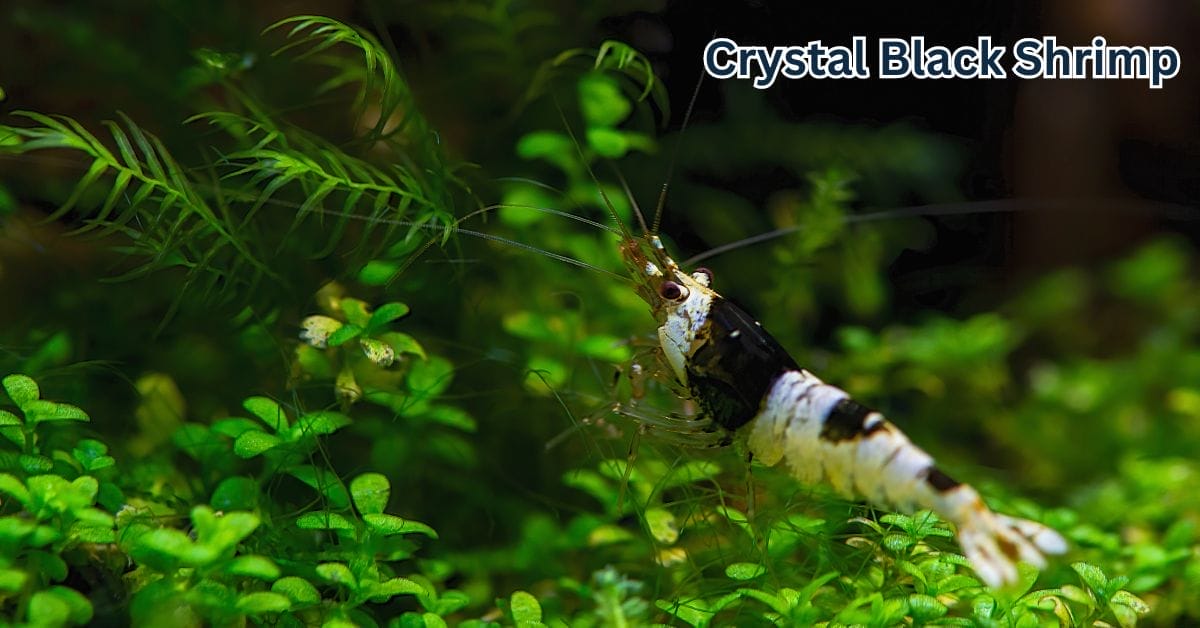
| 39 | Crystal Black Shrimp | $24–$49.99 | Crisp black and white bands |
| 40 | Black Panda Shrimp | $24.99–$70.99 | Black and white banded |
Gold Nebula is one of the few shrimp on this list that’s genuinely difficult to breed because it carries larvae to brackish water in the wild. Pure freshwater breeding has never been reliably reported.
Crystal Black is the original high-grade Caridina line — it’s been around longer than most newer crosses, and grade-stability is what separates a $24 animal from a $50 one. Pattern boldness and shell quality both factor in.
Black Panda is a variant of the Black King Kong line — same difficulty profile, same low success rate, slightly more available because more breeders have chased it.
Tier 11: Santa Crystal Red & Extreme Blue Bolt ($25–$195)
| # | Species | Price | Coloration |
|---|---|---|---|
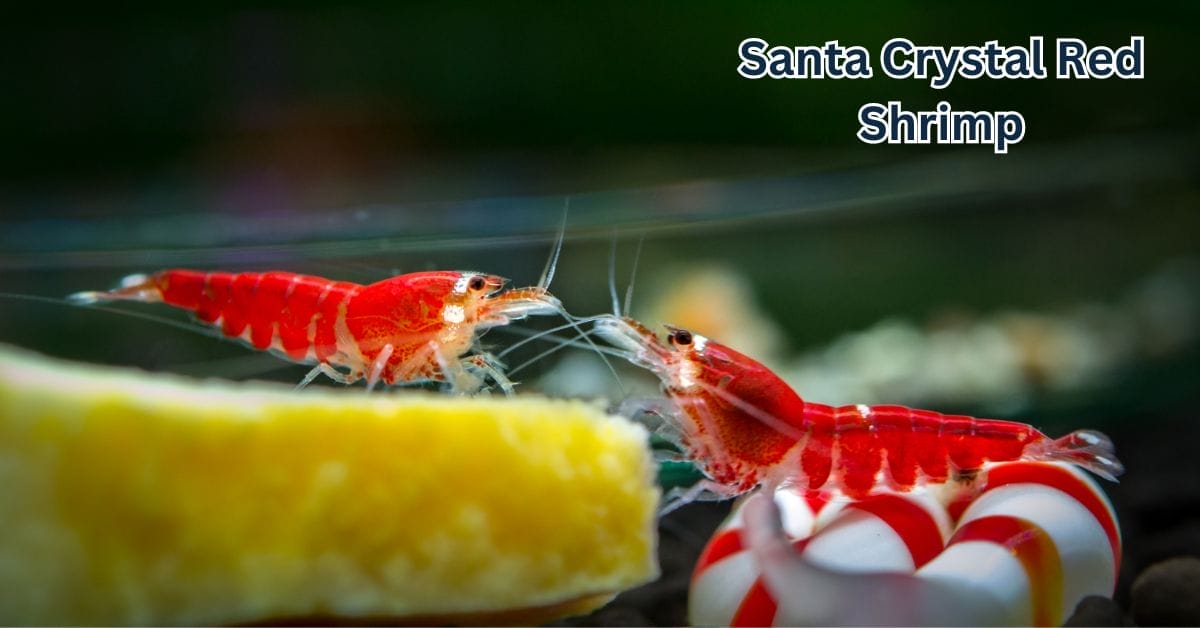
| 41 | Santa Crystal Red Shrimp | $25.99–$194.99 | Red body with a white head |
| 42 | Extreme Blue Bolt Shrimp | $25–$122 | Solid deep blue, no white patches |
| 43 | Yellow Fire Shrimp | $29.99–$54.99 | Vibrant yellow to lighter yellow |
The “Santa” lines come from a specific breeder lineage out of Asia and are sold as a graded product, not a generic species. The grade of red coverage and white-head crispness sets the price within the tier.
Extreme Blue Bolt is what Blue Bolt looks like when the white patches breed out entirely — a uniform sapphire body with no breaks. Most lines never get there.
Yellow Fire is the highest grade of the yellow Neocaridina line. The next step up — Golden Back Yellow — is in Tier 4 above.
Tier 12: Show-Grade Caridina — Super Crystal Red, Blue Dream & Tangerine Tiger ($40–$130)
| # | Species | Price | Coloration |
|---|---|---|---|
| 44 | Super Crystal Red Shrimp | $39.99–$64.99 | Red with white stripes, deep saturation |
| 45 | Blue Dream Shrimp | $39.99–$78.99 | Sapphire blue |
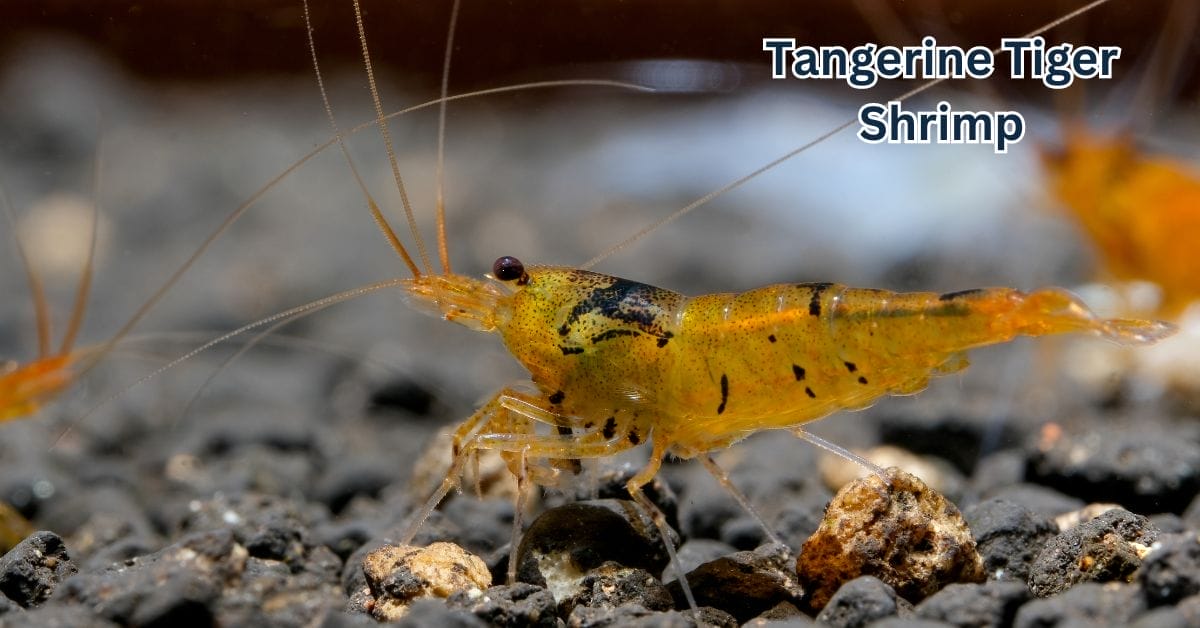
| 46 | Tangerine Tiger Shrimp | $39.99–$129.99 | Slightly translucent with strong orange |
Super Crystal Red is inbred CRS — generations of crossing the best red-and-white parents to lock in saturation. The trade-off is a fragile line that’s prone to deformities, which is why even SSS Super Crystal Red is rarely sold cheaply.
Blue Dream is the SSS-grade of the blue Neocaridina line — softer water requirements than its Caridina cousins, but at this grade the breeding is just as picky.
Tangerine Tiger is a wild-origin species (Caridina serrata) from a specific Chinese river system, and it’s almost never seen in the trade outside dedicated importer channels.
Tier 13: The Top Shelf — Black Galaxy Pinto, Shadow Panda, Red Calceo & White Orchid ($50–$400)
| # | Species | Price | Coloration |
|---|---|---|---|
| 47 | Black Galaxy Pinto Shrimp | $50–$400 | Black body with white-spotted pattern |
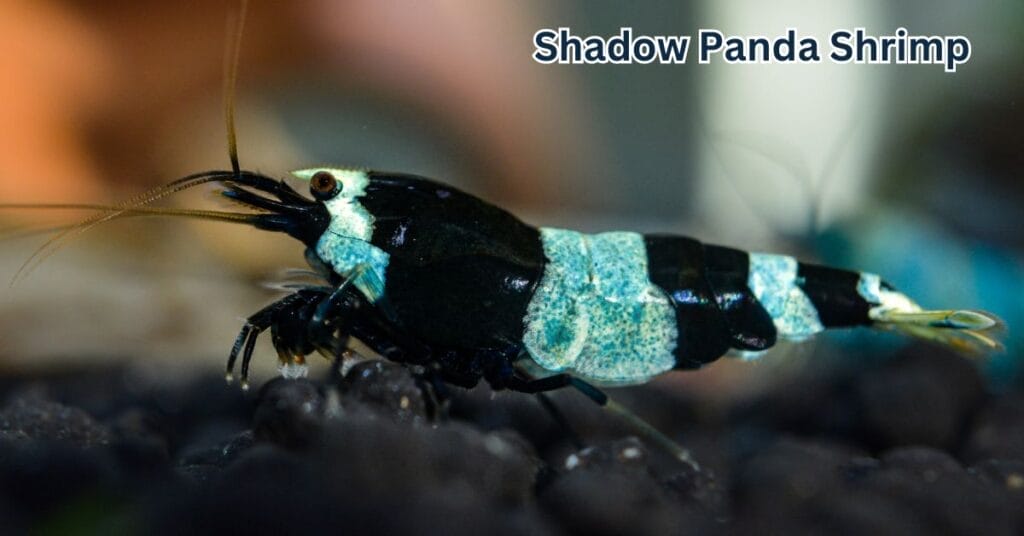
| 48 | Shadow Panda Shrimp | $50–$200 | Black body with blue hue |
| 49 | Red Calceo Shrimp | $52–$150 | Semi-transparent with bright red stripes |
| 50 | Sulawesi White Orchid Shrimp | $73.99–$400 | Transparent body with black/brown specks and white striping |
Black Galaxy Pinto is the showpiece. The “galaxy” pattern — fine white spotting across a black body — is one of the hardest Caridina patterns to replicate, and most pairings throw plain black or plain pinto offspring. A confirmed galaxy male at breeding age can clear $400.
Shadow Panda is a three-way cross: Golden Bee × Crystal Red × Crystal Black. Even with three established parent lines, the panda blue-black hue only shows up in a fraction of fry.
Sulawesi White Orchid is the rarest shrimp in routine sale. Wild stocks are functionally extinct, and only a handful of breeders globally have ever held a stable captive line. Availability is the price ceiling — there’s no shortage of buyers at $400.
What Is The Most Expensive Aquarium Shrimp In The World?
The current record-holders are the Japanese Benibachi lines — Hinomaru SSS, Mosura SSS, Hinomaru CBS Grade SSS, and Double Hinomaru CBS Grade SSS — each priced around $950 at the breeder level.
A handful of single-animal sales have been reported in the $1,200–$1,500 range. These aren’t aquarium pets in any practical sense; they’re collector pieces moved between Japanese breeders.
What Is The Rarest Aquarium Shrimp?
Two species are widely cited as the rarest:
Taiwanese Flea Shrimp (Caridina logemanni) — native to the Nanjian river system in Taiwan, with a tiny natural range and almost no captive presence. Most reputable sales are second-hand from established breeders.
Harlequin Shrimp (Hymenocera picta) — a marine species, technically outside the freshwater scope of this list, but worth mentioning because it’s commonly cited in “rarest” conversations. Wild populations are in decline and it has specialized starfish-only feeding requirements that make captive keeping difficult.
What Is The Most Profitable Shrimp To Breed?
Profitability in shrimp breeding is mostly about matching your capability to the market:
High-grade Crystal Red Shrimp and Bee Shrimp are the most consistent earners. They’re well-known, in steady demand, and the grading system lets you sell across multiple price points from one breeding cohort.
Taiwan Bee variants — Blue Bolt, Red Wine, Panda — command higher per-shrimp prices but cull rates are brutal. You need a stable parent line and the equipment to support multiple isolation tanks.
Caridina Pinto variants are the highest-margin category but the lowest hit rate. Most breeders who chase Pinto patterns lose money for years before producing a sellable cohort.
Neocaridina (Cherry, Sakura, Bloody Mary, Blue Dream) is the easiest entry — fast-breeding, hardy, broad market. The per-shrimp price is lower, but volume and survival rate compensate, especially for someone starting out.
For most hobbyists looking to fund a tank or two, the answer is high-grade Neocaridina. For someone willing to specialize over five-plus years, Caridina pintos.
Before You Buy A $200 Shrimp
A rare shrimp dies in the same five hours that a cheap one does. The single biggest variable separating a $400 Sulawesi White Orchid from a $5 Cherry isn’t price — it’s water chemistry. Get the tank right before you spend the money.
If you’re still planning your setup, this post walks through tank design at every budget: Art of Shrimp Tank Design: 32 Inspiring Setup Ideas. And if you want the full equipment shortlist for keeping any of the shrimp on this page alive, see the Freshwater Aquarium Shrimp Owner Essentials guide.

About Author
Hello, I’m Muntaseer Rahman, the owner of AcuarioPets.com. I’m passionate about aquarium pets like shrimps, snails, crabs, and crayfish. I’ve created this website to share my expertise and help you provide better care for these amazing pets.
Disclaimer
This site is owned and operated by Muntaseer Rahman. AcuarioPets.com is a participant in the Amazon Services LLC Associates Program, an affiliate advertising program designed to provide a means for sites to earn advertising fees by advertising and linking to Amazon.com. This site also participates in other affiliate programs and is compensated for referring traffic and business to these companies.