This post was created with help from AI tools and carefully reviewed by a human (Muntaseer Rahman) . For more on how we use AI on this site, check out our Editorial Policy.
Check Out These FREE Tools We Made JUST For You!
Indian Almond Leaves For Betta: Everything You Need To Know

Indian almond leaves are one of those things people either swear by or totally ignore. But if you’re keeping a betta, they’re honestly worth your attention.
They’re not just floating leaves—they can help your fish stay calm, boost water quality, and even fight off infections. Let’s break down what they are, how they work, and why they matter.
What Are Indian Almond Leaves?
They come from the Terminalia catappa tree, mostly found in Southeast Asia. The leaves are big, flat, and brown once dried.
No, they’re not real almond trees. The name comes from how the seeds taste—kind of like almonds.
Are They Good for Bettas?
Yes, absolutely.
They release tannins—natural compounds that lower pH and help fight off bacteria and fungus. Bettas come from soft, tannin-rich waters in the wild. These leaves help recreate that.
Besides that, they calm your fish, reduce stress, and even help when breeding.
Benefits of Indian Almond Leaves
1. They Lower pH and Soften Water
If your tap water is too hard or alkaline, bettas won’t love it. These leaves gently lower pH and make the water feel more natural for them.
You’ll notice the water turn a light brown or amber color. That’s normal. That color means tannins are doing their job.
2. They Help Prevent Infection
Tannins have antibacterial and antifungal properties. They don’t work like medicine, but they can help prevent common problems like fin rot or minor wounds from getting worse.
3. They Calm Stressed Fish
Bettas get anxious in bright or sterile tanks. The darker water and leaf cover help them feel hidden and safe. You’ll often see them resting under a leaf or building bubble nests nearby.
4. Great for Breeding and Fry
If you’re breeding bettas, the leaves offer shelter and support bubble nests. Fry can also hide under the leaves, making them feel less exposed.
5. Bonus Food for Shrimp and Fry
Once the leaves start to break down, tiny critters and shrimp will nibble on them. It becomes a mini buffet in your tank.
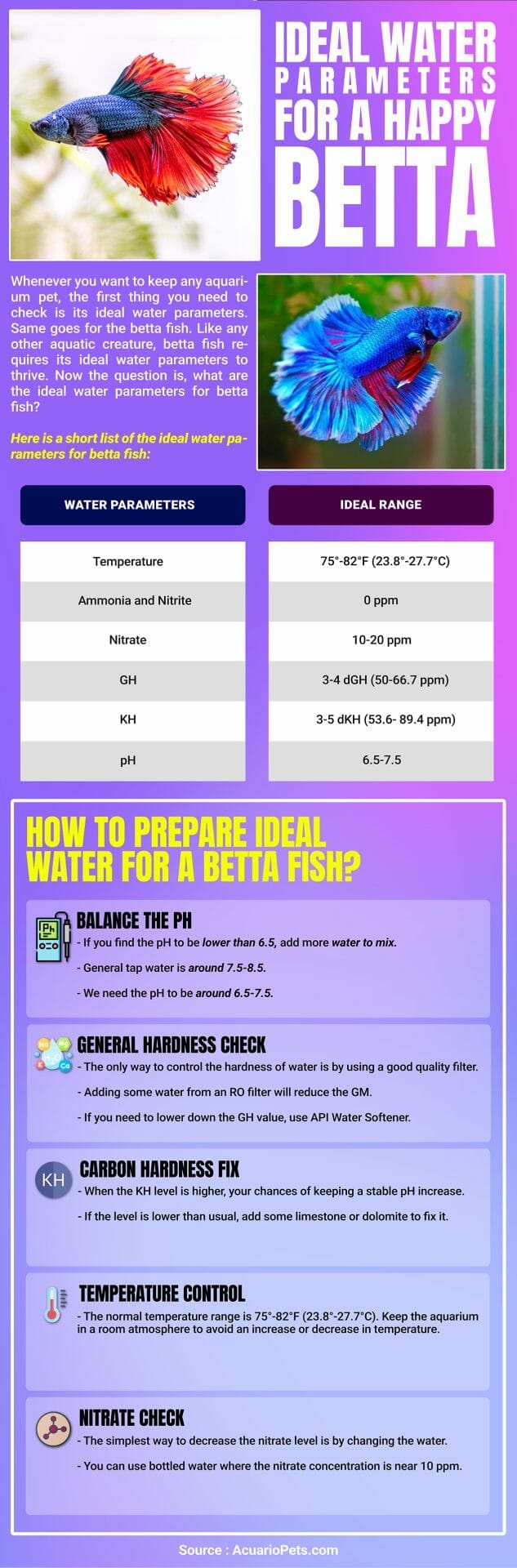
Want to get a printable version of this infographic? Click here! [If you want to use this infographic on your website, please link back to this post as the source!]
Can They Help with Ammonia?
Not directly.
But by lowering the pH, they shift ammonia into ammonium—which is less toxic. Don’t rely on the leaves to fix major water problems though. Always keep your filter and water changes on point.
How to Prepare Indian Almond Leaves
You don’t need to overthink it. Here’s the simple method:
- Rinse them under hot water to remove dust or bugs.
- Let them dry fully if they’re still damp.
- Don’t use any that feel mushy, moldy, or smell bad.
Skip the wood vinegar stuff. It’s not needed.

How to Use Them in the Tank
1. Drop It In
Just place one dried leaf into the tank. It’ll float for a while, then sink. Leave it there unless it starts breaking apart too much.
Your betta might use it for cover or bubble nests.
2. Make a Leaf Extract (Optional)
If you don’t want leaves floating around, make a tea:
- Boil 1 leaf per 2 gallons of water.
- Let it cool.
- Strain and pour a small amount into the tank.
Start small. Don’t dump in the whole pot at once.
How Much Should You Use?
For bettas, one small to medium leaf per 5 gallons is safe. If your tank is 10 gallons, go with 1 or 2.
More isn’t always better. Too many can drop the pH too fast.
Pro tip: Remove any carbon filter while using leaves. Carbon cancels out the tannins.
What If You Use Too Many?
No big deal. Do a partial water change and add some activated carbon to the filter. That’ll pull out the extra tannins and help rebalance things.

How Long Do They Last?
Most leaves break down in 3 to 6 weeks. Replace when they get too soft or thin.
If it turns slimy or clogs the filter, take it out sooner.
Alternatives to Indian Almond Leaves
Can’t find any? Try these:
- Banana leaves – Boost immunity and give similar tannins.
- Alder cones – Slow-release tannins, mostly used in shrimp tanks.
- Peat moss – Also softens water and lowers pH, but can be messy.
- Driftwood – Releases tannins too, but not as strong as the leaves.
Final Thoughts
Indian almond leaves aren’t just old hobby myths. They actually help.
They’re not a cure-all, but they make the tank feel more natural and supportive for your betta. If you’re okay with the tea-colored water, your betta will probably thank you.
Keep it simple. One leaf, some patience, and a happy fish.
Aquarium Salt + Catappa Leaves: A Healing Protocol for Sick Bettas
Your betta looks like someone dragged him through a fight he didn’t ask for.
Fins ragged, maybe some white fuzz creeping in, and he’s swimming like he just doesn’t care anymore.
You panic. Internet rabbit hole time.
And suddenly everyone’s screaming about two things: aquarium salt and Indian almond leaves (also called catappa leaves, because fish keepers love giving everything seventeen different names).
But here’s the thing – both can help your betta bounce back from illness. Or both can mess him up if you use them wrong.
Let’s talk about when to use them, how much to use, and what actually works versus what’s just fish-keeper folklore.
The Real Deal About Aquarium Salt
Aquarium salt is basically table salt’s boring cousin who went to science camp.
It’s pure sodium chloride – no iodine, no anti-caking agents, none of that fancy stuff your kitchen salt has.
What Aquarium Salt Actually Does
Here’s where it gets interesting.
Aquarium salt works through osmosis – it creates a salty environment that makes bad bacteria literally explode.
Not even joking. The salt concentration difference causes their cells to burst.
It also helps your betta produce more slime coat (that protective goo on their skin), reduces stress on their kidneys, and adds electrolytes to the water.
Think of it like Gatorade for fish, except it actually has science backing it up.
The Three Levels of Salt Treatment
Level 1: The Gentle Approach
Use 1 tablespoon per 3-5 gallons of water.
This is your “let’s see if this works” dose for mild infections, fin rot that’s just starting, or helping a fish recover from stress.
The International Betta Congress actually recommends 1 tablespoon per 5-7 gallons as a safe preventative dose that won’t hurt even sensitive fish like corydoras.
Level 2: Getting Serious
Use 1 tablespoon per 2 gallons of water.
This stronger concentration tackles ich, skin flukes, and more stubborn fungal infections.
Treatment lasts about 10 days at this level.
Level 3: The Nuclear Option
Use 1 tablespoon per gallon of water.
This is the “we’re pulling out all the stops” treatment that kills nearly everything.
But it’s harsh – scaleless fish can’t handle it, and even tough bettas need careful monitoring.
The Salt Bath Method (Quick Dip Treatment)
If you don’t want to salt your entire tank, you can give your betta a concentrated salt bath.
Here’s how it works: Fill a container with 1 gallon of tank water and add 1 tablespoon of aquarium salt.
Let your betta hang out in there for 5-8 minutes max (shorter for mild issues, longer for severe ones).
Then put him in a second container with 1/4 tablespoon of salt per gallon to acclimate before returning him to his main tank.
Think of it like a spa treatment but with more panic.
Critical Salt Rules (Or How Not to Accidentally Murder Your Fish)
Always dissolve salt in tank water before adding it to your aquarium.
Direct contact with salt crystals can literally burn your betta’s skin.
Salt doesn’t evaporate.
When water evaporates, the salt stays behind and builds up. Only add salt during water changes, and only for the amount of water you’re replacing.
If you change 50% of the water, add 50% of the salt dose.
Not for every illness.
Salt helps with fin rot, ich, velvet, columnaris, and external parasites. But it makes bloating worse (use Epsom salt for that instead).
Your tank mates might hate it.
Scaleless fish, live plants, snails, and shrimp don’t tolerate salt well. If you have these, use a hospital tank instead.
Indian Almond Leaves: Nature’s Mystery Medicine
Indian almond leaves (catappa leaves) are the aquarium hobby’s version of that weird herbal remedy your grandma swears by.
Except this one actually has some science backing it up.
What’s the Deal With These Leaves?
They come from the Terminalia catappa tree in Southeast Asia – the same places wild bettas live.
When you drop one in your tank, it releases tannins and humic acids that turn your water a tea-like brown color.
Bettas love it because it mimics their natural habitat – murky, slightly acidic water in rice paddies and slow-moving streams.
What Catappa Leaves Actually Do
They have mild antibacterial and antifungal properties.
The tannins create conditions where many pathogens can’t survive.
Scientific studies show the leaves contain flavonoids with antimicrobial properties.
They lower pH slightly and soften water.
This creates conditions closer to a betta’s natural environment, which reduces stress.
Less stress means stronger immune systems.
They help fish heal faster.
Many breeders report that fish with torn fins or injuries recover quicker with catappa leaves in the tank.
Is it the tannins? The flavonoids? Magic? Nobody’s entirely sure, but the results are hard to argue with.
They promote breeding.
Bettas build bubble nests under floating leaves, and the tannins protect eggs from fungus.
Thai breeders have used these leaves for generations.
How to Use Indian Almond Leaves
Start with 1 medium leaf (about 6 inches) per 10-20 gallons of water.
You can’t really overdose them – worst case, your water gets super brown.
Just rinse the leaf if it’s dusty, then drop it in the tank.
It’ll float for 3-7 days before sinking.
The leaf breaks down slowly over 1-2 months. You’ll know it’s time to replace it when it’s mostly disintegrated.
Some people remove the leaf when it gets raggedy. Others let it fully decompose because the breakdown process creates biofilm that shrimp and fry love.
Don’t Want Brown Water? Try This
Boil the leaf for 5 minutes to release most of the tannins upfront, then use the leaf extract.
Or just do extra water changes to dilute the color.
The medicinal benefits stick around even if you reduce the color.
Salt vs. Leaves: Which One Should You Use?
This is where it gets practical.
| Situation | Use This | Why |
|---|---|---|
| Mild fin rot just starting | Catappa leaves + clean water | Gentle approach that boosts immunity without harsh treatment |
| Severe fin rot with red edges | Aquarium salt (Level 2) + medication | Need stronger antimicrobial action |
| Ich or velvet | Aquarium salt (Level 2-3) | Salt directly kills these parasites |
| Stressed or recovering betta | Catappa leaves | Creates natural environment, promotes healing |
| Torn fins from fighting | Both (low salt + catappa leaves) | Combined benefits for faster healing |
| Bloating or constipation | Epsom salt (NOT aquarium salt) | Aquarium salt makes bloating worse |
| Planted tank with snails | Catappa leaves only | Salt kills plants and snails |
The Combination Approach (When Your Betta Really Needs Help)
Here’s what experienced keepers do when a betta is seriously sick:
Step 1: Start with daily water changes (50%) and catappa leaves to reduce stress and boost immunity.
Step 2: If no improvement in 3-5 days, add Level 1 salt treatment.
Step 3: If still no improvement after a week, increase to Level 2 salt and consider adding medication like Kanaplex.
Always dissolve salt before adding, monitor your betta closely, and be patient.
Healing takes time.
What Real Fish Keepers Say
One betta keeper on the forums said: “I lost dozens of expensive imported bettas to preventable diseases until Thai breeders told me to just add some aquarium salt. My fish have been way healthier since.”
Another reported: “The fins stopped getting worse after a few days of salt treatment. The red lining went away. I continued for 10 days total.”
About catappa leaves, a user shared: “I’ve been using them since October. My fish are overall happier. They love building nests under the leaves. I haven’t had a single outbreak since I started using them.”
Someone else noted: “I tore up a 10-inch leaf and floated it in his tank. The next day he made his first bubble nest. Coincidence? Maybe.”
Common Mistakes That Will Ruin Everything
Using table salt instead of aquarium salt.
Table salt has additives and iodine that can kill your fish. Don’t be that person.
Adding more salt without doing water changes.
Salt builds up. You’re not “topping off” the salt – you’re overdosing your fish.
Leaving your betta in a concentrated salt bath too long.
More than 8 minutes in a strong bath (3 teaspoons per gallon) can cause burns and organ damage.
Using salt in a planted community tank.
Your plants will die. Your snails will die. Just use a hospital tank.
Boiling catappa leaves and throwing them out.
If you boil the leaves, you extract all the tannins at once and the leaf becomes useless. Just drop it in raw.
The Bottom Line
Aquarium salt works fast and hits hard – perfect for serious infections like ich, velvet, and severe fin rot.
Catappa leaves work slow and gentle – perfect for stress reduction, mild infections, and creating a natural healing environment.
Used correctly, both are powerful tools that can save your betta’s life.
Used incorrectly, both can cause more harm than good.
Start with clean, warm water and catappa leaves for mild issues.
Add salt if things aren’t improving or the infection is aggressive.
Always dissolve salt before adding, monitor your betta closely, and be patient.
Your betta didn’t get sick overnight, and he won’t heal overnight either.
But with the right treatment, that raggedy fish who looked like he’d given up? He’ll be flaring at his reflection and building bubble nests again before you know it.
And that’s worth a little brown water and some careful measuring.

About Author
Hello, I’m Muntaseer Rahman, the owner of AcuarioPets.com. I’m passionate about aquarium pets like shrimps, snails, crabs, and crayfish. I’ve created this website to share my expertise and help you provide better care for these amazing pets.
Disclaimer
This site is owned and operated by Muntaseer Rahman. AcuarioPets.com is a participant in the Amazon Services LLC Associates Program, an affiliate advertising program designed to provide a means for sites to earn advertising fees by advertising and linking to Amazon.com. This site also participates in other affiliate programs and is compensated for referring traffic and business to these companies.