This post was created with help from AI tools and carefully reviewed by a human (Muntaseer Rahman) . For more on how we use AI on this site, check out our Editorial Policy.
Check Out These FREE Tools We Made JUST For You!
How To Know If My African Dwarf Frog Is Happy? [10 Signs]
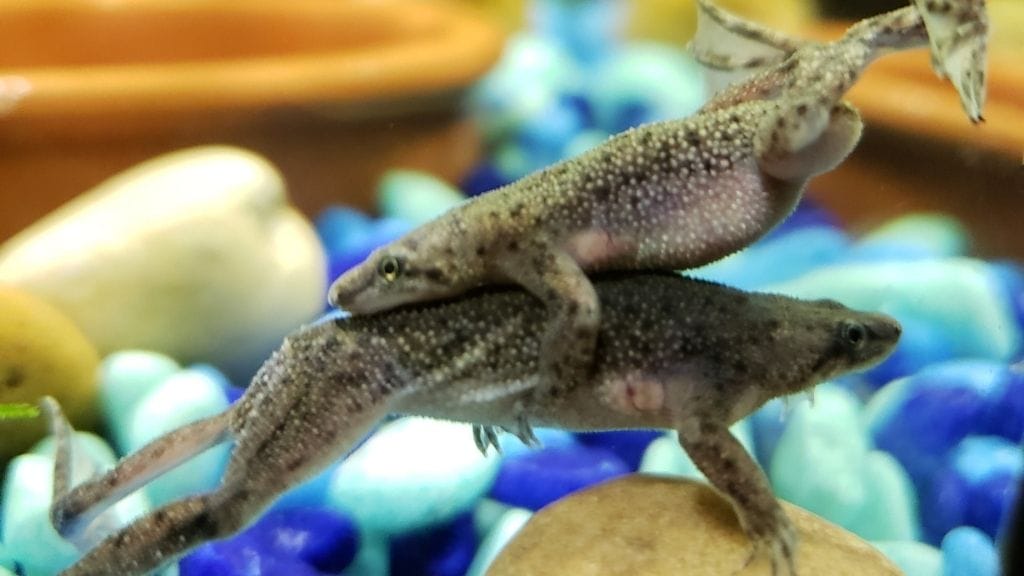
You brought home this tiny underwater acrobat, and now you’re sitting there wondering if it’s actually enjoying life or just tolerating you.
Here’s the thing about African Dwarf Frogs – they can’t exactly give you a thumbs up or tell you they’re having a great day.
But trust me, these little guys have their own way of showing when they’re living their best aquatic life.
If your African dwarf frog is happy, you’ll see spontaneous activity like active swimming, regular eating, and interaction with tank mates. Physical signs include clear eyes, smooth unharmed skin, and proper shedding in one piece. Happy frogs also surface for air every 10-15 seconds, spend time at the tank bottom, and might even “sing” with a gentle humming sound.
Look, I get it – you want to make sure your frog isn’t secretly miserable while you’re thinking everything’s fine.
So let’s dig into the real signs that tell you whether your frog is thriving or just surviving.
10 Clear Signs Your African Dwarf Frog Is Happy
After going through scientific sources and actual frog keeper experiences, I’ve compiled the telltale behaviors that separate a happy frog from a stressed one.
Here’s what to watch for.
1. Swimming Like They Own The Place
African Dwarf Frogs are basically the overachievers of the aquarium world when it comes to activity levels.
A happy frog doesn’t just sit there like a decorative rock – it’s constantly on the move, exploring every corner of the tank like it’s searching for treasure.
You’ll notice your frog darting around, investigating plants, and basically treating the tank like their personal playground. If your frog is floating in one spot for hours looking bored out of its mind, something’s probably off.
The exception: The famous “Zen Position” where they float motionless at the surface with arms and legs spread out. That’s not stress – that’s your frog being lazy, and honestly, it’s hilarious.
2. Regular Surface Trips For Air
Here’s where people get confused – these are fully aquatic frogs, but they don’t have gills.
A healthy, happy African Dwarf Frog shoots up to the surface every 10-15 seconds for a quick gulp of air, then zooms back down like nothing happened.
It’s like watching a tiny underwater rocket doing routine maintenance checks. If your frog is struggling to surface or spending way too much time up there trying to escape, that’s your first red flag that water quality might be trash.
3. Bottom Dwelling Like A Boss
Despite being active swimmers, these frogs are bottom dwellers at heart.
They should spend most of their time chilling at the tank floor, rooting around in the substrate, or hiding in decorations.
If your frog is constantly floating at the top and can’t seem to stay down, you might be dealing with bloat or dropsy – both serious health issues that need immediate attention.
4. Playing Hard To Get When You Try To Grab Them
A happy frog has zero interest in being your friend when you stick your hand in the tank.
They’ll bolt away like you’re a predator because, in their tiny frog brain, you kind of are. This escape behavior is actually a good sign – it means they’re alert and healthy.
If your frog just sits there letting you pick it up with no resistance, something’s wrong. Healthy frogs are little escape artists.
5. Crystal Clear Eyes And Flawless Skin
This is where you need to channel your inner frog dermatologist.
Happy frogs have clear, bright eyes – none of that cloudy, milky nonsense. Their skin should be smooth and intact, without patches, discoloration, or fuzzy spots that look like someone glued cotton balls to them.
Red flags: Cloudy eyes, red sores, white cottony patches (that’s fungus), or any discoloration. These are signs your frog is fighting an infection or dealing with poor water quality.
6. Eating Like They’re Training For A Competition
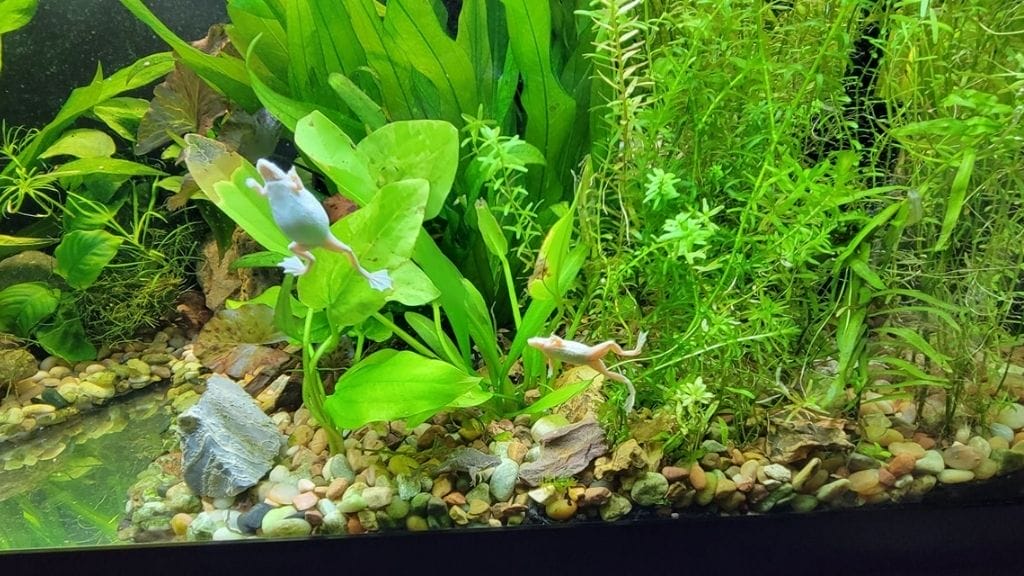
African Dwarf Frogs are not picky eaters – they’re basically tiny garbage disposals with legs.
A happy frog will attack food the moment it hits the water. We’re talking immediate interest, grabbing motions, and finishing meals like it’s their last day on earth.
If your frog suddenly loses interest in food or is just staring at bloodworms like they’re boring, that’s often the first sign something’s going downhill health-wise.
7. Shedding Skin In One Clean Piece
All frogs shed their skin regularly – African Dwarf Frogs do it about 2-3 times a month, sometimes weekly when they’re growing fast.
Here’s what you need to know: healthy shedding looks like your frog is taking off a full-body suit. The skin comes off in one piece (or at least large pieces), and they often eat it afterward to recover nutrients.
Before shedding, they’ll look whitish, then return to normal color once it’s done.
Warning signs of unhealthy shedding: Skin coming off in tiny shredded pieces, skin that stays attached for hours, or staying pale after the shed. These indicate fungal infections (like the deadly chytrid fungus), poor water quality, or sudden parameter changes.
8. Social Butterfly Behavior
Despite what you might think about frogs being solitary, African Dwarf Frogs are actually social creatures.
A happy frog will interact with tank mates peacefully – no aggression, no hiding from everyone 24/7. They’ll swim around with other frogs, explore together, and generally act like they enjoy the company.
Even better, happy frogs can learn to recognize their owners. Seriously – you can train them to come for food when you tap the glass. If your frog starts avoiding interaction with everyone and everything, stress or illness is probably the culprit.
9. Using Hiding Spots Like A Pro
African Dwarf Frogs are nocturnal, which means during the day, they’re basically useless.
A happy frog will spend daylight hours tucked away in caves, plants, or behind decorations. This isn’t antisocial behavior – it’s instinct from avoiding predators in the wild.
They should emerge at night when they’re most active. If your frog is hiding ALL the time and won’t come out even at night, or never hides and seems constantly stressed, something’s wrong with the environment.
10. The Happy Hum (Frog Singing)
This is probably the coolest sign of a happy frog, and most people don’t even know it happens.
Male African Dwarf Frogs make a low humming or buzzing sound – especially at night – when they’re happy and looking for a mate.
It sounds like a quiet electrical hum or a refrigerator running in the background. Some people think their filter is vibrating, but nope – that’s your frog serenading the ladies.
If you hear this gentle buzz, congratulations – you’re doing something right. It means your frog feels comfortable, healthy, and is in the mood for romance.

Do African Dwarf Frogs Actually Sing When Happy?
Yes, and it’s adorable.
The buzzing sound you hear is males doing their mating call, but it’s also a general sign of contentment. Even outside breeding season, happy males will occasionally hum just because they’re vibing with their environment.
The sound is so quiet you’ll only hear it if you’re close to the tank in a silent room, so don’t expect a full concert.
How To Make Your African Dwarf Frog Actually Happy
Now that you know what happiness looks like, let’s talk about how to create frog paradise.
Give Them Space
These frogs need room to swim and explore.
Minimum tank size: 5 gallons for 2-3 frogs, but a 10-gallon tank is way better. Cramped tanks = stressed frogs. Don’t believe those pet stores selling “1-gallon frog cubes” – that’s basically frog prison.
Add Air Bubbles For Entertainment
While African Dwarf Frogs don’t need aeration to breathe, they absolutely love playing with air bubbles from an air stone.
It’s like giving them an underwater playground. Install an air pump and watch your frogs chase bubbles for hours.
Proper Lighting Routine
These nocturnal frogs need to know when it’s day and when it’s night.
Set up a regular lighting schedule – 10-12 hours of aquarium light during the day, total darkness at night. This keeps their natural rhythm intact and makes them more active when they should be.
Keep The Water Warm
African Dwarf Frogs are tropical, which means they need warmth to function properly.
Water temperature must stay between 72-78°F (22-25°C) with a reliable heater. Cold water makes them sluggish, weak, and more susceptible to disease.
Weekly Treat Time
Just like you deserve dessert, so do your frogs.
Once a week, give them special treats: live or frozen brine shrimp, bloodworms, Tubifex worms, or black worms. This breaks up the monotony of pellet food and keeps them excited about meals.
No Strong Water Current
Here’s something most beginners screw up – African Dwarf Frogs are terrible swimmers despite being aquatic.
A powerful filter will literally toss them around the tank like they’re in a washing machine. Use a sponge filter or baffle your hang-on-back filter to reduce current.
Add Hiding Decorations
Caves, plants (real or artificial), driftwood, and rocks give your frogs places to hide and feel secure.
Just make sure decorations don’t have sharp edges that can tear their delicate skin. Terra cotta pots on their side work perfectly and are cheap.
Can You Actually Play With African Dwarf Frogs?
Kind of, but not the way you’d play with a dog.
You should never handle these frogs unless absolutely necessary – their skin is porous and sensitive, which means oils and chemicals from your hands can literally harm them.
But you can still interact with them through training. Tap the tank glass lightly 2-3 times before feeding, and eventually they’ll associate the tapping with food. You can also use a turkey baster to place food near them, teaching them to follow the baster.
Some owners tie live food to a string and move it around for the frogs to chase. Just make sure they actually catch the food eventually – it’s enrichment, not torture.
Water Quality: The Make-Or-Break Factor
This is where most people fail their frogs without even realizing it.
African Dwarf Frogs are extremely sensitive to water quality – way more than fish. Ammonia, nitrites, and nitrates at any measurable level can stress them out, cause excessive shedding, and make them sick.
Critical Water Parameters:
| Parameter | Ideal Range | Why It Matters |
|---|---|---|
| Temperature | 72-78°F (22-25°C) | Tropical frogs need warmth for immune function |
| pH Level | 7.2-7.6 | Slightly alkaline water keeps them comfortable |
| Ammonia | 0 ppm | Any amount burns their skin and causes organ damage |
| Nitrite | 0 ppm | Blocks oxygen absorption in their blood |
| Nitrate | Below 20 ppm | High levels cause chronic stress |
| Water Hardness (gH) | 5-20 | Keeps mineral balance stable |
Pro tip: Never do full water changes. Change 10-25% of the water every 2-4 weeks. Sudden parameter shifts can shock and kill your frogs even if you’re “improving” water quality.
Common Mistakes That Make Frogs Miserable
Let’s talk about what not to do, because sometimes learning from others’ failures is the best education.
Buying From Big Box Stores Without Quarantine
Pet store frogs often carry diseases like chytrid fungus – a deadly infection that’s highly contagious.
Always quarantine new frogs for up to 3 months before adding them to your main tank. Look for healthy frogs that are plump (not thin and starving) from reputable sellers.
Housing With Aggressive Fish
African Dwarf Frogs are peaceful and slow, which makes them easy targets.
Never keep them with Tiger Barbs, most Cichlids, or anything that nips fins. Even Bettas can be hit or miss – some ignore the frogs, others bully them relentlessly.
Good tank mates: Guppies, Neon Tetras, Corydoras catfish, small peaceful shrimp, and snails.
Gravel That’s Too Small
African Dwarf Frogs are bottom feeders with terrible eyesight who will accidentally swallow small gravel.
Use sand or large gravel (too big to swallow). If you use gravel, feed them in a separate dish to prevent accidental ingestion.
Ignoring The “Zen Position” And Panicking
Seriously, stop freaking out when your frog floats motionless at the surface with limbs spread out.
They’re not dying – they’re literally just being lazy. This is completely normal resting behavior. Only worry if they can’t swim back down or show other signs of illness.
When Your Frog Stops Being Happy: Warning Signs
Sometimes frogs go from thriving to barely surviving, and you need to catch it early.
Loss Of Appetite
This is usually the first domino to fall when something’s wrong.
If your previously ravenous frog suddenly ignores food, check water parameters immediately and look for other symptoms.
Constant Floating Or Inability To Dive
Frogs that can’t stay submerged and keep floating back up likely have dropsy (fluid buildup) or bloat (gas/air trapped inside).
Both are serious conditions that require immediate treatment – sometimes there’s nothing you can do, which is heartbreaking.
Tattered Shedding
Skin coming off in shredded pieces that hang on the frog is a major red flag for chytrid fungus or bacterial infections.
Healthy sheds come off cleanly in large pieces. If you see tattered shedding, quarantine the frog and consider antifungal treatments.
Excessive Hiding Or Lethargy
Hiding during the day is normal, but refusing to come out at night or showing zero activity means your frog is either sick or seriously stressed.
Trying To Escape Constantly
Frogs that spend all day trying to climb out of the tank aren’t bored – they’re desperate to leave because water conditions are probably terrible.
The Bottom Line On Frog Happiness
Look, keeping African Dwarf Frogs happy isn’t complicated, but it does require paying attention.
If your frog is swimming actively, eating well, surfacing regularly for air, hiding appropriately, shedding cleanly, and maybe even humming at night – you’re doing great.
The moment you see multiple warning signs (loss of appetite, cloudy eyes, tattered shedding, constant floating), act fast. Test your water, check the temperature, and address problems immediately.
These little frogs can live 5-10 years with proper care, sometimes even up to 15 years. That’s a decent commitment for a creature that fits in the palm of your hand.
Treat them right, give them space, keep the water clean and warm, and you’ll have happy frogs doing their underwater acrobatics for years to come.
Now go check on your frog and make sure it’s not floating upside down because you forgot to turn on the heater.

About Author
Hello, I’m Muntaseer Rahman, the owner of AcuarioPets.com. I’m passionate about aquarium pets like shrimps, snails, crabs, and crayfish. I’ve created this website to share my expertise and help you provide better care for these amazing pets.
Disclaimer
This site is owned and operated by Muntaseer Rahman. AcuarioPets.com is a participant in the Amazon Services LLC Associates Program, an affiliate advertising program designed to provide a means for sites to earn advertising fees by advertising and linking to Amazon.com. This site also participates in other affiliate programs and is compensated for referring traffic and business to these companies.