This post was created with help from AI tools and carefully reviewed by a human (Muntaseer Rahman) . For more on how we use AI on this site, check out our Editorial Policy.
Check Out These FREE Tools We Made JUST For You!
How Long Do Poison Dart Frogs Live? (Lifespan by Species + Care Tips)
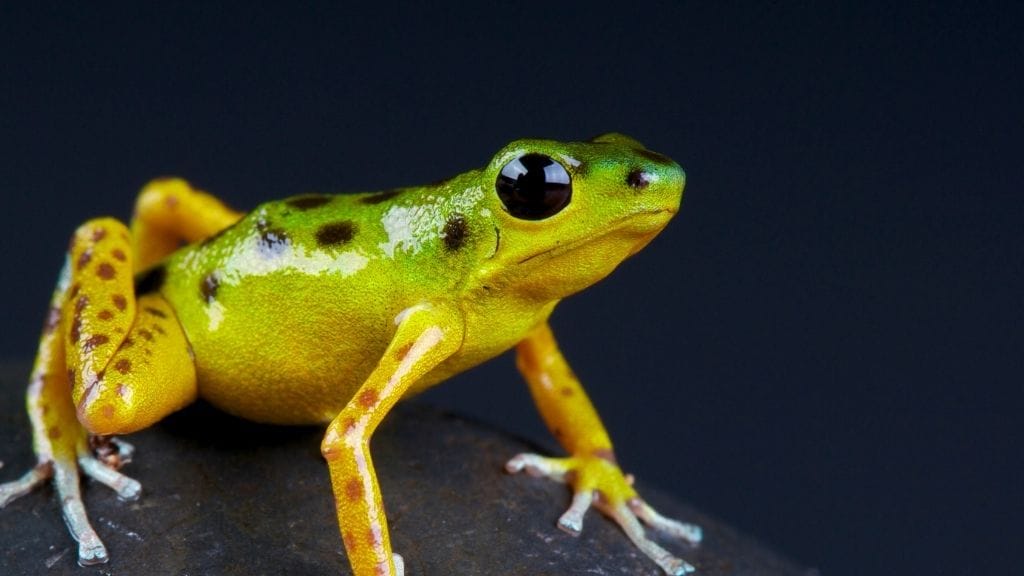
Poison dart frogs live anywhere from 3 to 15 years in the wild and 8 to 20+ years in captivity, depending on the species. The average across most commonly kept species is about 10 to 15 years with proper care.
That’s a pretty solid lifespan for a frog that’s smaller than your thumb.
But here’s the thing — lifespan varies a lot between species. A blue poison dart frog might live 10-12 years in captivity, while a bumblebee dart frog (Dendrobates leucomelas) can push past 20 years under ideal conditions. The longest-living Dendrobates on record survived 20.5 years in captivity.
In this article, I’ll break down the lifespan of different dart frog species, what affects how long they live, and what you can do to keep yours around for as long as possible.
Quick Dart Frog Lifespan Summary
- Wild lifespan: 3-10 years (varies heavily by species)
- Captive lifespan: 8-20+ years (with proper husbandry)
- Average across common species: 10-15 years in captivity
Top 5 Longest-Living Species in Captivity
| Species | Captive Lifespan |
|---|---|
| Bumblebee Dart Frog (D. leucomelas) | 10-15 years, record 20.5 years |
| Dyeing Dart Frog (D. tinctorius) | 15+ years, some over 20 years |
| Green and Black Dart Frog (D. auratus) | 10-17+ years |
| Blue Dart Frog (D. tinctorius azureus) | 10-15 years |
| Black-Legged Dart Frog (P. bicolor) | 8-15+ years |
Main factors affecting lifespan: Temperature, humidity, diet, enclosure setup, and stress levels.
Average Lifespan of a Dart Frog
If you average out all the commonly kept species, dart frogs live about 10 to 15 years in captivity.
That’s actually really good for a frog.
In the wild, things are different. Most dart frogs probably live around 3 to 7 years, and that’s if they make it to adulthood. Predation, disease, habitat loss — all of that cuts their lives short.
But in captivity, you’re removing most of those threats. No predators. Consistent food supply. Stable temperature and humidity. It makes a huge difference.
One experienced keeper on Dendroboard mentioned that if your dart frogs are consistently dying before 6 years, something in your husbandry needs to change. And honestly, that’s fair. These frogs aren’t fragile if you set things up right.
Dart Frog Lifespan by Species
There are over 200 species of dart frogs. Their lifespans are all over the place. Here’s a breakdown of the most commonly kept species.
| Species | Wild Lifespan | Captive Lifespan |
|---|---|---|
| Green and Black Dart Frog (D. auratus) | 5-10 years | 10-17+ years |
| Bumblebee Dart Frog (D. leucomelas) | 5-7 years | 10-15 years (record: 20.5 years) |
| Blue Dart Frog (D. tinctorius azureus) | 4-6 years | 10-12 years |
| Dyeing Dart Frog (D. tinctorius) | 4-6 years | 15+ years (some over 20) |
| Golden Dart Frog (P. terribilis) | ~5 years | 5+ years (limited captive data) |
| Strawberry Dart Frog (O. pumilio) | Unknown | 7+ years |
| Black-Legged Dart Frog (P. bicolor) | 5-8 years | 8-15+ years |
| Red-Backed Dart Frog (R. reticulatus) | 5-8 years | 8-12 years |
| Harlequin Dart Frog (O. histrionica) | Unknown | 10-15 years |
| Three-Striped Dart Frog (A. trivittatus) | 5-8 years | 7-15 years |
| Kokoe Dart Frog (P. aurotaenia) | Unknown | Up to 15 years |
| Granular Dart Frog (O. granulifera) | Unknown | 10+ years |
| Peppered Dart Frog (D. fantasticus) | Unknown | 8-12 years |
| Golfodulcean Dart Frog (P. vittatus) | Unknown | 8-15 years |
| Marbled Dart Frog (D. amazonicus) | Unknown | 8-12 years |
A few things worth noting here.
Wild lifespan data for dart frogs is pretty limited. Most of what we know comes from captive observations. For many species, wild lifespan is basically a best guess.
Also, the golden dart frog (Phyllobates terribilis) — the one everyone talks about because it’s the most toxic — has surprisingly limited captive lifespan data. The Animal Diversity Web only reports observations up to 5 years in captivity. So that “25 years” number you might see floating around online? Take it with a grain of salt.
The species with the best longevity records are the larger Dendrobates — especially leucomelas, tinctorius, and auratus. These are also the species that have been in the hobby the longest, so we have decades of data on them.
Why Do Dart Frogs Live Longer in Captivity?
This one’s pretty straightforward.
In the wild, dart frogs deal with predators, habitat destruction, disease, food scarcity, and extreme weather shifts. Even though their skin toxins protect them from most predators, they’re still vulnerable as tadpoles and juveniles.
In captivity, you’re basically removing every major threat to their survival.
Consistent food supply. No more hunting for ants in the leaf litter (the jackfruit leaves I top the tank with). Fruit flies and springtails show up like clockwork.
Stable environment. Temperature stays in the 72-80°F range. Humidity stays above 80%. No droughts, no cold snaps.
No predators. Nobody’s trying to eat them. That alone is massive.
Veterinary care. If something goes wrong, you can catch it early and treat it.
Think of it this way — in the wild, every day is survival mode. In captivity, they’re basically retired.
What Affects a Dart Frog’s Lifespan?
If you want your dart frog to hit that 15-20 year mark, here’s what actually matters.
Temperature
This is probably the single biggest factor.
Dart frogs thrive at 72-80°F (22-27°C) during the day, dropping to the low 60s to low 70s°F at night. Anything above 85°F for an extended period can be fatal.
Overheating kills dart frogs faster than almost anything else. If you’re running lights for live plants, keep in mind those add a couple degrees to your enclosure.
Humidity
Most species need 70-100% humidity. Anything below 50% for extended periods is dangerous.
Their skin is porous. They absorb moisture directly through it. If the environment dries out, they dehydrate fast.
Misting systems, sphagnum moss (keeps the humidity right), and live plants all help keep humidity stable. A good digital hygrometer (the combo gauge I keep on the screen) is non-negotiable.
Diet
In captivity, dart frogs eat fruit flies (both melanogaster and hydei), springtails, isopods, and pinhead crickets.
The key here is variety and supplementation. Dusting feeder insects with calcium and vitamin D3 is critical. Without proper supplementation, dart frogs can develop metabolic bone disease, which shortens their lifespan significantly.
Also, gut-loading (the gutload I use weekly) your feeder insects makes a real difference. The more nutritious the food, the healthier the frog.
Enclosure Setup
A bioactive vivarium with proper drainage, live plants, leaf litter, and hiding spots isn’t just for looks. It directly impacts your frog’s stress levels and overall health.
Stressed frogs don’t live as long. It’s that simple.
Give them enough space (at least 10 gallons per frog), plenty of hiding spots, and a natural environment that mimics their wild habitat.
Stress
Overcrowding, poor tank mates, constant handling, and loud environments all cause chronic stress.
Dart frogs shouldn’t be handled. Their skin is sensitive, and the oils and salts on your hands can damage it. If you need to move them, use a small plastic cup.
Also, as dart frogs mature, social dynamics can change. Females can get aggressive with each other. Males can get territorial. Watch for signs of stress like hiding all day, loss of appetite, or weight loss.
Common Reasons Dart Frogs Die Early
If your dart frogs are dying well before that 10-year mark, something’s off. Here are the most common culprits.
- Overheating. Temperatures above 85°F for more than a few hours can be lethal. This is the number one killer in my experience.
- Low humidity. Dart frogs can’t survive in dry environments. Without access to moisture, they dehydrate and die surprisingly fast.
- Poor diet. Feeding only one type of insect without supplementation leads to nutritional deficiencies over time.
- Dirty enclosure. Bacteria and fungi thrive in neglected enclosures. Dirty water, decomposing food, and poor ventilation create a breeding ground for infections.
- Chytrid fungus. This is a devastating disease in the amphibian world. Batrachochytrium dendrobatidis (Bd) has wiped out populations of dart frogs both in the wild and in captive collections. If you’re adding new frogs to your collection, quarantine them first.
- Chlorinated water. Dart frogs absorb water through their skin. Untreated tap water with chlorine or chloramines can cause serious damage. Always dechlorinate.
Are Poison Dart Frogs Endangered?
Unfortunately, yes. Many species are threatened or endangered.
The biggest threats are habitat destruction (deforestation in Central and South America), climate change, the chytrid fungus, and collection for the pet trade.
Some species that were once common are now critically endangered. And a few have already gone extinct.
If you’re thinking about getting a dart frog as a pet, always buy captive-bred. It’s better for the wild populations, and captive-bred frogs are generally healthier and adapt better to vivarium life.
Many zoos, including the San Diego Zoo and the Smithsonian, have active conservation programs for dart frogs. Supporting these efforts — even indirectly — helps keep these species around.
Frequently Asked Questions
How long do blue dart frogs live?
Blue poison dart frogs (Dendrobates tinctorius azureus) live about 4-6 years in the wild and 10-12 years in captivity. Some sources report up to 15 years with excellent care.
What’s the longest a dart frog has ever lived?
The longest-living Dendrobates on record survived 20.5 years in captivity. There are unverified claims of some frogs living up to 25 years, but solid documentation for those is hard to find.
Do dart frogs make good pets?
For the right person, absolutely. They’re small, colorful, active during the day, and don’t need handling. But they do require a proper bioactive setup with controlled temperature and humidity. They’re not a “set it and forget it” pet.
Are captive dart frogs poisonous?
No. Captive-bred dart frogs are not toxic. In the wild, their toxicity comes from their diet — specifically certain ants and mites. In captivity, they eat fruit flies and crickets, so they never develop those toxins.
How can I make my dart frog live longer?
Keep temperature between 72-80°F, humidity above 70%, provide a varied diet with proper supplementation, maintain a clean bioactive enclosure, avoid handling, and quarantine new frogs before adding them to an existing collection.
Final Thoughts
Dart frogs can be surprisingly long-lived pets if you give them what they need. We’re talking 10-15 years on average, with some species pushing past 20.
The key is getting the basics right — temperature, humidity, diet, and a stress-free environment. Nail those, and your dart frog should be around for a long time.
And if you’re still deciding which species to get, the bumblebee dart frog (D. leucomelas) and dyeing dart frog (D. tinctorius) are great picks for beginners who want a long-lived, hardy pet.
About Author
Hello, I’m Muntaseer Rahman, the owner of AcuarioPets.com. I’m passionate about aquarium pets like shrimps, snails, crabs, and crayfish. I’ve created this website to share my expertise and help you provide better care for these amazing pets.
Disclaimer
This site is owned and operated by Muntaseer Rahman. AcuarioPets.com is a participant in the Amazon Services LLC Associates Program, an affiliate advertising program designed to provide a means for sites to earn advertising fees by advertising and linking to Amazon.com. This site also participates in other affiliate programs and is compensated for referring traffic and business to these companies.