This post was created with help from AI tools and carefully reviewed by a human (Muntaseer Rahman) . For more on how we use AI on this site, check out our Editorial Policy.
Check Out These FREE Tools We Made JUST For You!
How Big Do Betta Fish Get? (Plus Their Growth Rate Explained)
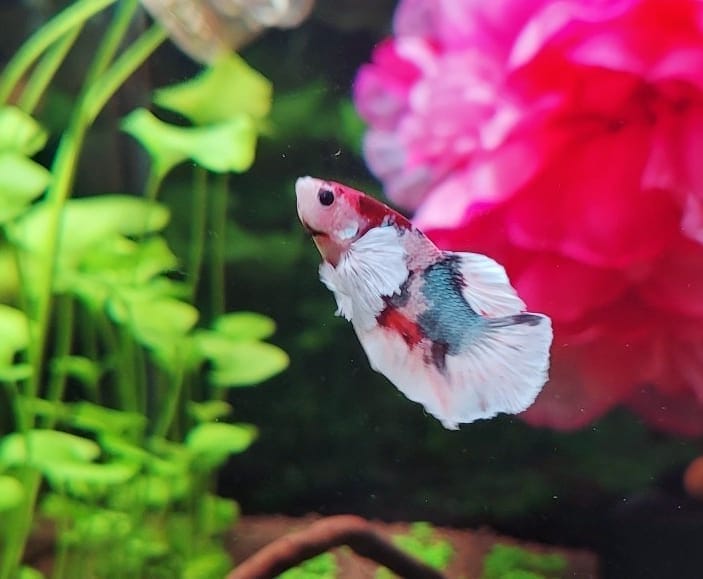
So you’re staring at that tiny betta in the pet store cup, wondering if this little guy is gonna turn into some kind of freshwater monster once you get him home.
I get it. The size question keeps everyone up at night when they’re planning their first betta tank.
Here’s the deal: most betta fish grow to about 2.5 to 3 inches in length when they’re fully grown. That’s it. That’s their maximum size, and honestly, they’re done growing by the time they hit 6 to 7 months old.
But before you think “oh, that’s simple,” let me tell you – there’s way more to this story than just those numbers.
The Real Talk About Betta Size
When we say a betta is 2.5 to 3 inches, we’re talking about body length only.
The fins? Those don’t count. And trust me, those flowing fins can make your betta look way bigger than he actually is. It’s like comparing someone’s height with and without their mohawk – technically the same person, but the presentation is different.
The average betta you’ll find at most pet stores sits right around 2.25 inches when fully grown. Some lucky ones might push 3 inches under perfect conditions, but anything beyond that is pretty rare for regular bettas.
And here’s something that trips people up: males and females are basically the same body size. The males just look bigger because of those dramatic fins they’re rocking. Females have shorter fins and slightly less bulk, but measure their bodies and you’ll find they’re pretty much identical.
Wait, What About Giant Bettas?
Okay, so I mentioned “regular bettas” for a reason.
There’s this whole other category called giant bettas (sometimes marketed as “king bettas” at places like Petco), and these things are in a completely different league.
Giant bettas can grow anywhere from 3.5 to 7 inches long. Yeah, you read that right. Seven inches. That’s basically the size of a small goldfish.
These aren’t just big regular bettas – they’re actually a different variety (some say species) that’s been selectively bred specifically for size. They’re usually short-finned plakats on steroids, size-wise.
The funny thing? Despite being way bigger and more intimidating-looking, giant bettas tend to be calmer and less aggressive than their smaller cousins. Go figure.
But here’s the catch: giant bettas take longer to grow (up to 5 months to reach full size) and need bigger tanks (minimum 10 gallons instead of the standard 5).
The Betta Growth Timeline (From Egg to Adult)
Let me walk you through how these little guys develop, because it’s actually pretty wild.
Day 1-3: The Egg Stage
Betta eggs are tiny – we’re talking 0.03 inches in diameter. That’s barely visible to the naked eye. The male builds a bubble nest, fertilizes the eggs, and guards them like his life depends on it (because evolutionarily, it kind of does).
Within 24 to 48 hours, those eggs hatch.
Days 3-14: The Fry Stage (Baby Betta)
Right after hatching, baby bettas (called “fry”) are attached to their yolk sac. They literally just hang there, absorbing nutrients for the first few days.
Around day 3-5, they’ve absorbed all that yolk goodness and start actually swimming around. At this point, they’re microscopic and need infusoria (basically microscopic organisms) to survive.
By two weeks old, they’re starting to look like actual fish instead of weird swimming specks.
Weeks 2-6: The Juvenile Stage
This is when things get interesting. Between weeks 3-6, baby bettas develop their labyrinth organ (the special breathing apparatus that lets them gulp air from the surface).
At 6 weeks old, they’re roughly 0.5 to 1 inch long and starting to show some personality.
Months 2-3: The Adolescent Growth Spurt
Here’s where the real growth happens. Between 2-3 months old, bettas experience their biggest growth spurt. They need tons of protein during this time to develop those vibrant colors and healthy fins.
By 3 months, they’re sexually mature (though breeders usually wait until 6 months to breed them). At this age, you can finally tell the boys from the girls because the males start developing longer fins and showing off their colors.
Months 4-7: Reaching Full Size
By 6 to 7 months old, your betta is basically done growing. They’ve hit their max length of 2.5-3 inches, their fins are fully developed, and they look like the fish you see in all those Instagram photos.
Unlike goldfish (which never stop growing and can turn into absolute units given enough space), bettas have a genetic size limit. Once they hit it, that’s it. No more growing.
The Big Tank Size Myth
Let’s kill this myth right now: bettas do NOT grow to the size of their tank.
I can’t tell you how many times I’ve heard “oh, just keep them in a smaller tank and they’ll stay small.” That’s not how biology works, people. That’s not how any of this works.
What actually happens is this: if you keep a betta in a tiny bowl or cup, you’re not keeping them small – you’re stunting their growth through stress and poor water quality.
Their internal organs still try to grow to full size, but their body can’t keep up. The result? A sick, stressed fish with a shortened lifespan and potential health problems.
A betta in a 1-gallon bowl might only reach 1.5-2 inches, but that’s not because the tank limited their growth naturally. It’s because the awful conditions prevented them from reaching their genetic potential. It’s like keeping a kid malnourished and saying “see, they stayed small!”
The minimum tank size for a healthy betta is 5 gallons. Period. This gives them room to swim, maintains stable water parameters, and lets them actually be a fish instead of existing in survival mode.
Bigger is always better. A 10-gallon tank won’t make your betta grow to 5 inches, but it will make them healthier, more active, and more likely to reach their full 2.5-3 inch potential.
What Actually Affects Betta Growth?
Since tank size isn’t the magic growth formula, what does matter?
1. Water Quality (This Is Huge)
Bettas are tropical fish that need water temperatures between 76-82°F (with 78°F being the sweet spot). If the water gets too cold, their metabolism slows down, they become lethargic, and their growth rate tanks.
Clean water is non-negotiable. Ammonia, nitrites, and nitrates building up in the tank will stress your betta and stunt their growth faster than anything else.
For baby bettas, breeders recommend 25% water changes three times a week and full water changes three times a month. That’s a lot of maintenance, but it’s what gets those babies growing fast.
There’s even this thing called Growth Inhibiting Hormones (GIH) that bettas secrete into the water. These hormones basically tell other bettas “hey, slow down on the growing, it’s getting crowded in here.” Frequent water changes remove these hormones and keep growth rates up.
2. Diet (Feed Them Right)
Bettas are carnivores. They need protein. Lots of it.
During their crucial 2-3 month growth period, bettas need high-protein foods like:
- Baby brine shrimp
- Microworms
- Bloodworms (freeze-dried or live)
- High-quality betta pellets
- Daphnia
Feed them once or twice a day, but only what they can eat in about 1 minute. Overfeeding leads to dirty water (which circles back to the water quality issue) and can actually make them sick.
Some breeders who “power-grow” their bettas feed them 2-3 times per day with live foods and do daily water changes. It works, but it’s intense.
3. Genetics (You Can’t Fight DNA)
Some bettas are just genetically predisposed to be smaller. You could give them perfect water, the best food, a 20-gallon mansion – and they’d still top out at 2 inches because that’s what their genes say.
On the flip side, some bettas have the genetics to hit that full 3-inch mark no problem.
This is why buying from reputable breeders matters. They’re breeding for health and size, not just pumping out as many fish as possible.
4. Stress Levels
A stressed betta is a betta that won’t grow properly. Stress comes from:
- Aggressive tank mates
- Improper water conditions
- Lack of hiding spots
- No enrichment (plants, decorations, things to explore)
- Tiny tanks
Bettas are smart, curious fish. They need stimulation and space to thrive. Stick one in a bare bowl and wonder why they’re not growing? That’s why.
Do Bettas Keep Growing Throughout Their Lives?
Nope. Once they hit that 6-7 month mark and reach their maximum size, they’re done.
Unlike some fish species that continue growing throughout their entire lives (looking at you, koi and goldfish), bettas have a set endpoint.
This actually makes them perfect for beginners and people with limited space. Once you set up a proper 5-10 gallon tank, you don’t need to worry about upgrading every year because your fish got bigger.
How to Help Your Betta Reach Maximum Size
Want your betta to hit that full 3-inch potential? Here’s your checklist:
Tank Setup:
- Minimum 5 gallons (10+ is better)
- Heater to maintain 76-82°F
- Filter (gentle flow – bettas aren’t strong swimmers)
- Live or silk plants (plastic can tear their fins)
- Hiding spots and enrichment
Water Maintenance:
- Weekly 25-50% water changes minimum
- Test water regularly (ammonia, nitrites, nitrates should all be at 0)
- Use a water conditioner to remove chlorine
Feeding:
- High-quality betta pellets as the staple
- Supplement with frozen or live foods (bloodworms, brine shrimp)
- Feed once or twice daily, only what they can eat in 1 minute
- Skip one day per week (gives their digestive system a break)
Environment:
- Keep the tank in a quiet area (not near speakers or high-traffic zones)
- Provide a consistent day/night cycle
- Don’t house with aggressive tank mates
- Give them things to explore and interact with
Do all this, and your betta should hit their maximum genetic potential, whatever that may be for their individual genetics.
The Bottom Line on Betta Size
- Regular bettas: 2.5-3 inches max by 6-7 months old
- Giant bettas: 3.5-7 inches by around 5 months old
- Growth stops: Once they hit adulthood, that’s their final size
Tank size doesn’t make them grow bigger, but it does determine whether they’ll be healthy enough to reach their genetic potential in the first place.
The bettas you see in those tiny cups at pet stores aren’t meant to live like that. They’re already stressed and possibly stunted before you even buy them. Give them a proper home with clean, warm water, good food, and some enrichment, and you’ll see what they’re really capable of.
Your betta might not turn into a monster, but they’ll turn into a healthy, vibrant little fish that actually gets to live instead of just survive. And honestly? That 2.5-inch betta in a well-planted 10-gallon tank is going to look way more impressive than any fish suffering in a bowl ever could.
Now go give your betta the space they deserve and watch them thrive.

About Author
Hello, I’m Muntaseer Rahman, the owner of AcuarioPets.com. I’m passionate about aquarium pets like shrimps, snails, crabs, and crayfish. I’ve created this website to share my expertise and help you provide better care for these amazing pets.
Disclaimer
This site is owned and operated by Muntaseer Rahman. AcuarioPets.com is a participant in the Amazon Services LLC Associates Program, an affiliate advertising program designed to provide a means for sites to earn advertising fees by advertising and linking to Amazon.com. This site also participates in other affiliate programs and is compensated for referring traffic and business to these companies.