This post was created with help from AI tools and carefully reviewed by a human (Muntaseer Rahman) . For more on how we use AI on this site, check out our Editorial Policy.
Check Out These FREE Tools We Made JUST For You!
Chameleon Respiratory Infections: Early Signs, Causes & How to Prevent Them

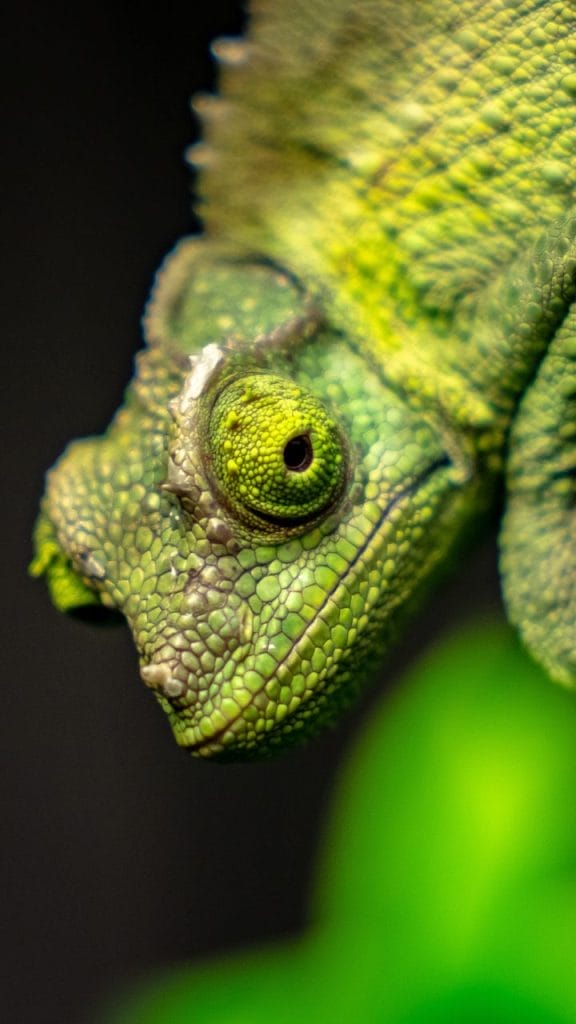
Your chameleon is sitting on its branch, chin tilted to the sky, looking like it’s stargazing.
Cute, right?
Wrong. That pose could mean your chameleon is slowly suffocating.
Respiratory infections (RIs) are one of the most common killers of captive chameleons, and the scary part is that by the time you notice something’s off, the infection is already well underway.
Think of it like a car engine light. By the time it turns on, the problem has been brewing for a while.
Let’s break down exactly what’s happening inside your chameleon’s lungs, how to spot trouble early, and — most importantly — how to make sure it never happens in the first place.
What Exactly Is a Respiratory Infection?
A respiratory infection happens when bacteria (and sometimes fungi or viruses) set up camp in your chameleon’s respiratory tract and start multiplying unchecked.
Here’s the thing most people don’t realize: bacteria is always present in the air. Your chameleon breathes it in with every single breath.
Normally, the immune system handles these invaders like a bouncer at a nightclub — no entry, get lost.
But when that immune system gets weakened? The bacteria waltz right in, settle into the lungs, and start causing inflammation and fluid buildup.
And unlike us humans, chameleons don’t have a diaphragm. They use muscles around their ribs to pull air in, kind of like an accordion. So when their lungs get clogged with infection, breathing becomes a full-body workout.
Upper vs. Lower Respiratory Infections
You’ll see people throw around the terms URI and LRI a lot.
Here’s the quick breakdown:
- URI (Upper Respiratory Infection) — affects the nasal cavity and sinuses
- LRI (Lower Respiratory Infection) — hits the lungs directly, also called pneumonia
Now, here’s an important note. Chameleons don’t actually have a complex enough respiratory system to have a true “upper” and “lower” distinction the way mammals do. The term URI stuck anyway, but just know that any respiratory infection in a chameleon is serious business.
Both types can exist at the same time. And one can easily develop into the other if left untreated.
The Warning Signs You Cannot Ignore
This is where things get tricky.
Chameleons are masters of deception. In the wild, looking sick means looking like lunch. So they will actively pretend to be healthy even when they’re falling apart inside.
That means you need to become a detective. Here’s your checklist.
The Nose-Up Pose (The Earliest Red Flag)
The very first sign of a respiratory infection is your chameleon tilting its head upward with its nose pointed at the ceiling.
Why? It’s straightening out its trachea to get more air into struggling lungs.
There is literally no other reason a chameleon sits on a branch with its nose in the air. If you see this, it’s not a quirky personality trait. It’s a distress signal.
Open Mouth Breathing (Gaping)
After the nose-up stage comes gaping — your chameleon sitting there with its mouth wide open, trying to force more air in.
Now, chameleons do occasionally gape when they’re basking under their heat lamp. That’s normal thermoregulation. They’re cooling down, like a dog panting.
But if your chameleon is gaping in the cooler areas of the enclosure? That’s not temperature regulation. That’s a chameleon that can’t breathe properly.
Closed Eyes During the Day
Healthy chameleons keep their eyes open and alert during daytime hours. Period.
If your chameleon is sitting with one or both eyes closed during the day, it’s telling you something is wrong internally. This is a sign of serious distress.
And here’s the sneaky part — many chameleons will snap their eyes open the second they notice you watching. They’re putting on a show. Don’t fall for it.

Other Symptoms to Watch For
| Symptom | What It Looks Like |
|---|---|
| Excess mucus | Bubbles or stringy saliva in the mouth |
| Wheezing or popping sounds | Put your ear close — listen for crackling, purring, or popping |
| Nasal discharge | Fluid or crust around the nostrils |
| Lethargy | Barely moving, no interest in climbing or exploring |
| Loss of appetite | Ignoring food they’d normally go crazy for |
| Sunken eyes | Eyes appear to sink back into the head |
| Swelling around the head | Puffiness between the eyes or around the forehead |
| Inflated-looking lungs | Body appears overly puffed up |
| Snoring while sleeping | Yep, snoring can be a sign of trouble |
What Causes Respiratory Infections?
Here’s the honest truth that every chameleon keeper needs to hear:
The vast majority of respiratory infections in captive chameleons are caused by us. Bad husbandry weakens their immune system, and bacteria does the rest.
Let’s go through the big five causes.
1. Wrong Temperatures
Chameleons are cold-blooded. Their entire metabolism — including their immune system — depends on being at the right temperature.
Too cold, and the immune system basically goes to sleep. Bacteria says “cool, nobody’s home” and throws a house party in the lungs.
For veiled chameleons, you want a basking spot around 85-95°F (29-35°C) with ambient temps around 72-80°F (22-27°C). Baby chameleons need slightly cooler basking temps around 82-85°F (28-29°C).
2. Bad Humidity Levels
This one is a balancing act that trips up a lot of people.
Too dry? The respiratory tract dries out and becomes vulnerable to infection.
Too wet with no airflow? You’ve just created a bacteria breeding ground.
The goal is to mimic the natural cycle. Most chameleons experience high humidity at night (70-100%) that drops significantly during the day (30-50%). Your enclosure should do the same.
3. Poor Ventilation
This is the silent killer that nobody talks about enough.
In the wild, chameleons live in open air with constant breezes blowing germs away. Your living room? Not so much.
Glass enclosures are the biggest culprit here. They trap stagnant air, letting bacteria concentrate in one spot. Screen enclosures with at least two mesh sides are the way to go — they let air flow through naturally.
If your chameleon is in a glass tank right now and getting respiratory issues, this is probably your answer.
4. Poor Nutrition and Vitamin A Deficiency
Here’s something the chameleon community talks about a lot, and for good reason.
Vitamin A deficiency is directly linked to respiratory infections. It weakens the protective lining of the respiratory tract, making it easier for bacteria to take hold.
And the problem starts way before your chameleon even hatches. If the mother is Vitamin A deficient, she produces deficient eggs, which hatch deficient babies. These babies are already playing from behind before they take their first breath.
Most captive chameleons eat gut-loaded crickets and similar feeders. The nutritional content of these insects is honestly pretty poor compared to what wild chameleons eat. That’s why proper gut-loading (the gutload I use weekly) and supplementation matters so much.
5. Stress
Stress absolutely crushes the immune system.
Common stressors include improper handling, seeing their own reflection, enclosure placement in high-traffic areas, cohabitation with other chameleons, and enclosures that are too small.
A stressed chameleon is a chameleon with its guard down. And bacteria is always looking for an opening.
What To Do If You Suspect a Respiratory Infection
Let me be blunt here: you need a reptile vet. Not Google. Not Reddit. Not this article. A vet.
Respiratory infections require antibiotics, and those require a prescription. There’s no reliable DIY fix for this.
The Two-Pronged Approach
Treatment always involves two things working together:
Prong 1: Antibiotics from the vet. These are usually given orally or by injection. The gold standard is getting the bacteria cultured so the vet can prescribe the exact right antibiotic. Most vets will start with a broad-spectrum antibiotic like Baytril while waiting for culture results.
Prong 2: Fix whatever caused the weakened immune system. Antibiotics won’t do much good if you put your chameleon back into the same conditions that got it sick. Check your temperatures, humidity, ventilation, nutrition, and stress levels. Fix everything.
Important Notes About Treatment
A full antibiotic course typically lasts 21-30 days. You must finish the entire course even if your chameleon looks better. Stopping early creates antibiotic-resistant bacteria, and that’s a nightmare you don’t want.
Also, most antibiotics are hard on the kidneys. Keep your chameleon extra hydrated during treatment. More misting, more dripping water, more attention to hydration.
And here’s the cold hard stat that should motivate you: the chances of recovery are directly tied to how early you catch it. A chameleon caught at the nose-up stage has a much better shot than one that’s already gaping with sunken eyes.
While You Wait for the Vet
If you can’t get to a vet immediately, here are some temporary measures:
Adjust the enclosure temperature to keep your chameleon within its optimal range. Make sure they can thermoregulate properly.
Reduce excessive humidity during the day but don’t let things get bone dry either.
Some keepers use manuka honey (about 1 mm³ per 10-20 grams of body weight) as a temporary supportive measure. This is not a replacement for veterinary care.
How to Prevent Respiratory Infections
Good news: proper husbandry prevents about 99% of respiratory infections. That’s not a made-up number — that’s the consensus across the chameleon keeping community.
Here’s your prevention game plan.
Get the Enclosure Right
Use a screen/mesh enclosure, not glass. Air needs to flow.
Make sure it’s big enough. Cramped enclosures stress chameleons and limit air circulation.
Add live plants. They help regulate humidity naturally and give your chameleon hiding spots that reduce stress.
Nail Your Temperature Gradient
Invest in digital thermometers and hygrometers (the combo gauge I keep on the screen). Those cheap stick-on analog ones from the pet store are wildly inaccurate. You might as well be guessing.
Create a proper temperature gradient so your chameleon can move between warmer and cooler zones. This lets them regulate their own body temperature and keeps their metabolism (and immune system) running strong.
Master the Humidity Cycle
Don’t just blast the mister all day. Create a cycle.
Mist in the morning and evening. Let the enclosure dry out completely between misting sessions. A constantly wet cage with no air movement is basically a petri dish with branches in it.
If you use a fogger (the one I run at night), run it at night when humidity should be high, and turn it off during the day.
Feed Their Immune System
Gut-load your feeder insects with nutritious foods at least 24 hours before feeding. Dust feeders with calcium and provide Vitamin A supplementation as recommended for your species.
Variety matters too. Don’t just feed crickets. Mix in silkworms, hornworms, dubia roaches, and other nutritious options.
Keep Things Clean
Remove uneaten feeders, feces, and dead plant material regularly.
Dirty water sources and rotting insect cultures are bacteria factories. Clean and replace water sources frequently.
Quarantine New Chameleons
If you’re adding a new chameleon to your collection, quarantine it first. Research has shown that some viruses (like serpentovirus) can have over 80% infection rates in seemingly healthy chameleons — meaning they carry the virus without showing symptoms but can spread it to others.
The Bottom Line
Respiratory infections in chameleons are scary. They’re common. And by the time you notice symptoms, you’re already in a race against the clock.
But here’s what should actually make you feel good: this is almost entirely preventable.
Get the enclosure right. Nail the temperatures. Cycle the humidity. Feed proper nutrition. Minimize stress. And pay attention to your chameleon’s behavior every single day.
The nose-up pose, the gaping, the closed eyes during the day — these aren’t random quirks. They’re SOS signals.
And if you do see those signals? Don’t second-guess yourself. Don’t wait and hope it gets better. Get to a reptile vet immediately.
Your chameleon’s life might literally depend on whether you act today or tomorrow.
About Author
Hello, I’m Muntaseer Rahman, the owner of AcuarioPets.com. I’m passionate about aquarium pets like shrimps, snails, crabs, and crayfish. I’ve created this website to share my expertise and help you provide better care for these amazing pets.
Disclaimer
This site is owned and operated by Muntaseer Rahman. AcuarioPets.com is a participant in the Amazon Services LLC Associates Program, an affiliate advertising program designed to provide a means for sites to earn advertising fees by advertising and linking to Amazon.com. This site also participates in other affiliate programs and is compensated for referring traffic and business to these companies.