This post was created with help from AI tools and carefully reviewed by a human (Muntaseer Rahman) . For more on how we use AI on this site, check out our Editorial Policy.
Check Out These FREE Tools We Made JUST For You!
10 Dig Box Ideas Your Bearded Dragon Will Absolutely Love
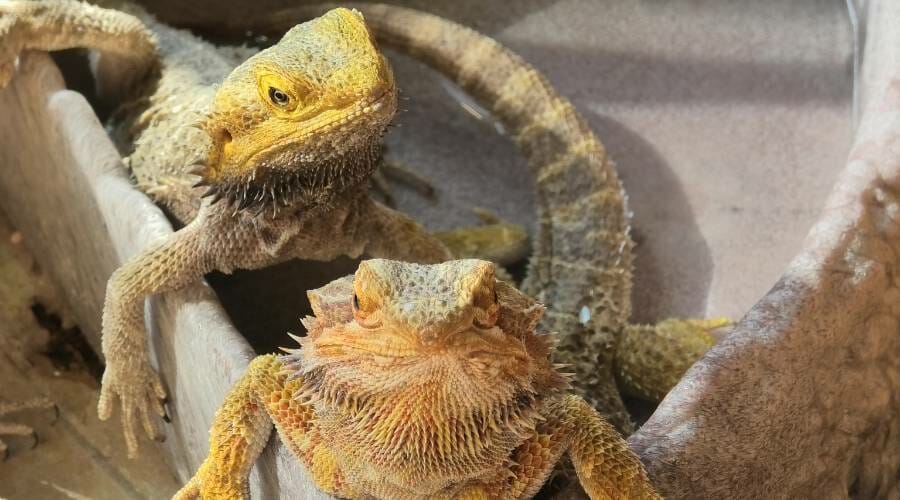
If you’ve ever caught your bearded dragon frantically scratching at the floor of its enclosure, it’s time to give that little explorer the ultimate digging experience!
Dig boxes aren’t just fun—they’re essential for keeping your scaly friend happy and mentally stimulated.
Whether you’re a DIY pro or a beginner, these 10 dig box ideas are easy to make and guaranteed to turn your dragon into a digging dynamo.
Before You Build a Dig Box: The Essentials Come First
Dig boxes are great enrichment, but they don’t replace proper care. Before you start crafting, make sure your bearded dragon has these basics:
Non-Negotiable Requirements:
Proper Enclosure:
- Baby (0-6 months): 20-40 gallons minimum
- Juvenile (6-12 months): 40-75 gallons minimum
- Adult (12+ months): 75-120 gallons minimum
Dig boxes are EXTRA enrichment—they don’t make up for tanks that are too small.
UVB Lighting (CRITICAL):
- T5 HO tube bulb (10.0 or 12%)
- Mounted INSIDE enclosure
- Replaced every 6-12 months
- 12-14 hours per day
Without proper UVB, your dragon gets metabolic bone disease regardless of how fun their dig box is.
Correct Temperatures:
- Basking spot: 95-110°F (varies by age)
- Warm side: 85-90°F
- Cool side: 75-80°F
Use a temperature gun to verify—guessing kills dragons.
See heating and temperature monitoring
Proper Nutrition:
- Age-appropriate insects and vegetables
- Calcium supplements (without D3) daily for babies
- Calcium with D3 2-3x per week
- Multivitamin once per week
See feeding guide and supplement schedule
Bottom Line: Dig boxes are the cherry on top of proper care. Get the basics right first.

what is bearded dragon dig box?
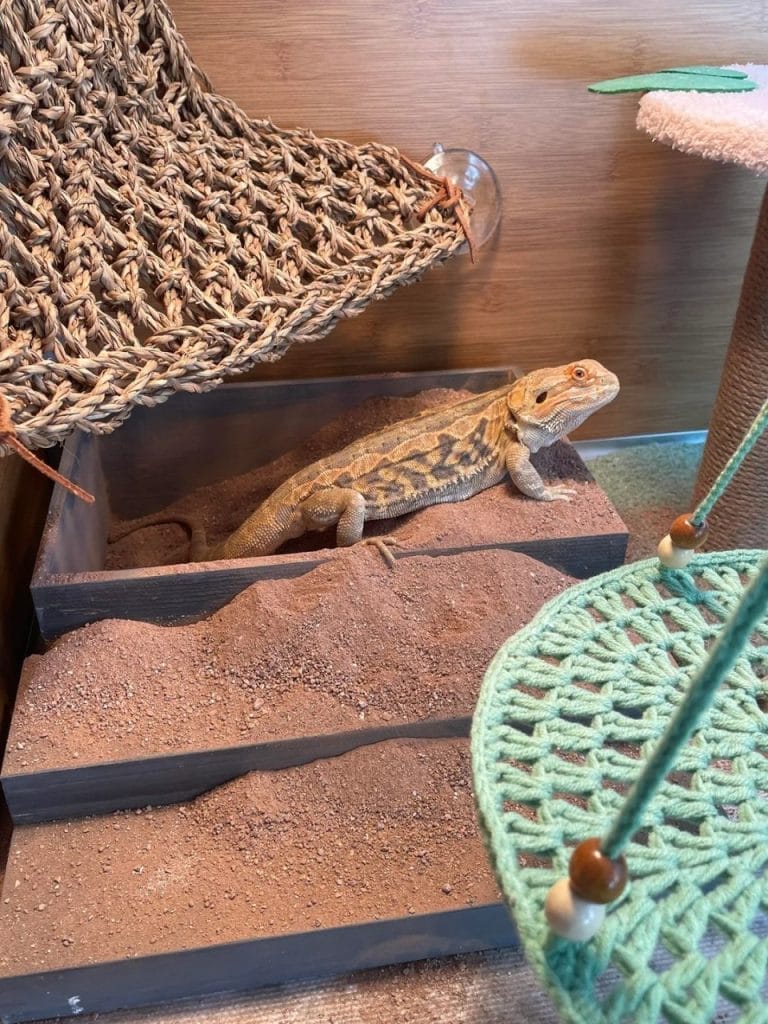
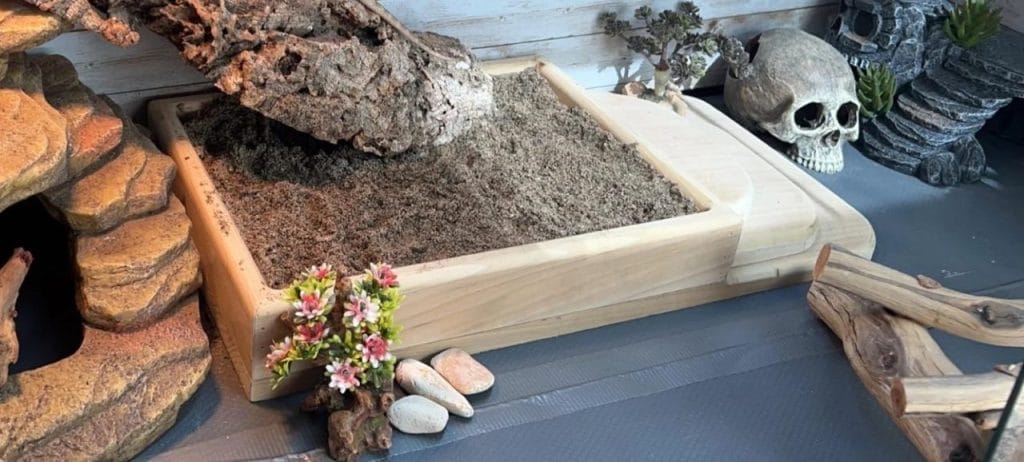
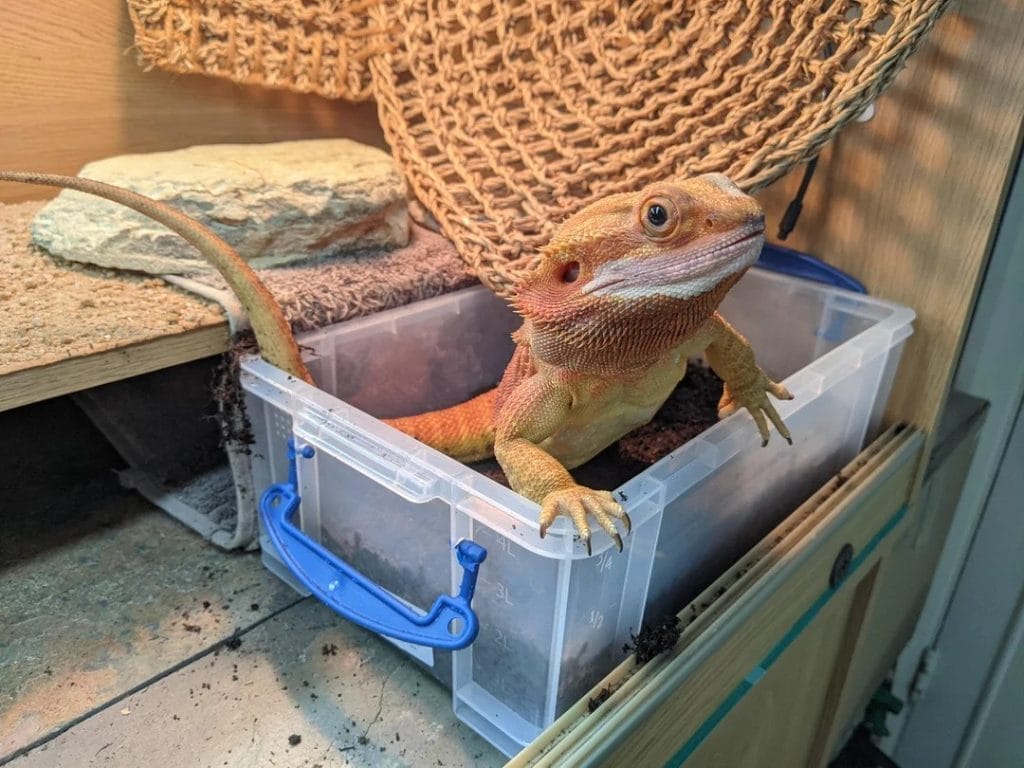
A bearded dragon dig box is a small container filled with a safe substrate where your beardie can dig, burrow, and explore. It mimics natural behaviors they’d have in the wild and provides great mental and physical enrichment.
You can fill it with materials like clean play sand, coconut fiber, or a mix of both. Make sure the substrate is safe and free from harmful chemicals. A dig box is especially fun for females during the egg-laying season or for any beardie that loves to scratch and burrow. It’s like a mini playground for them!

Your Beardie Has More to Say…
This article tells you WHAT to do, but do you know WHY your dragon needs it? Or what they’re thinking when you do it wrong?
Read the full rant (all 20 chapters of it) in: “What Your Bearded Dragon Wishes You Knew”
*Told by a very frustrated beardie who’s had ENOUGH of watching you guess.*
how to make a dig box for bearded dragon?
Making a dig box for your bearded dragon is super easy and fun! Here’s a quick step-by-step guide:
1. Pick the Container
Use a sturdy, shallow box or bin. It should be big enough for your beardie to move around but not so deep they can’t climb out.
2. Choose the Substrate
Fill the box with a safe substrate. Popular options include:
- Play sand (clean and non-toxic)—make sure it’s washed play sand, not construction sand
- Coconut fiber (soft and holds shape well)—also called eco earth
- A mix of both for texture variety
CRITICAL SAFETY WARNING:
Avoid these substrates:
- Calcium sand or “digestible” sand (still causes impaction)
- Loose substrates for babies under 12 months (impaction risk)
- Construction sand (contains silica dust)
- Dirt from your yard (pesticides, parasites)
- Wood chips or shavings
Important: Dig boxes are for SUPERVISED use only—not permanent tank substrate. After 30-60 minutes of digging time, remove your dragon. Never use loose substrate as permanent flooring in the main enclosure.
See why tile is the best permanent substrate
Note for females: If your female is showing digging behavior and you suspect she’s gravid (carrying eggs), provide a dig box immediately and monitor closely. Egg binding is life-threatening.
3. Fill It Up
Fill the box with a few inches of substrate. 3–5 inches works well, depending on how much your dragon loves to dig.
4. Make It Inviting
Add a few rocks, fake plants, or even small toys. This makes it more natural and interesting for them.
5. Introduce Your Beardie
Place your dragon inside the box during playtime or when you notice digging behaviors. Watch them explore and dig to their heart’s content!
It’s an affordable way to keep them happy and active. Plus, it’s fun to watch them enjoy it!
Dig Box vs. Permanent Tank Substrate (Critical Difference)
Dig boxes are temporary enrichment—NOT permanent tank flooring.
Why This Matters:
Dig Boxes (Supervised Use):
- Used for 30-60 minutes at a time
- Removed after play session
- Monitored closely for ingestion
- Great for mental stimulation
Permanent Tank Substrate:
- In the enclosure 24/7
- Can’t be supervised constantly
- High impaction risk with loose materials
- Should be tile, not sand
The safest setup:
- Tile substrate in main enclosure (safe, easy to clean, holds heat)
- Supervised dig box sessions 2-3 times per week for enrichment
Never use loose sand as permanent substrate. It causes impaction—a leading cause of death in captive bearded dragons. Even “calcium sand” marketed as safe still causes impaction.
See safe substrate options for main enclosure
When Dig Boxes Are Most Useful:
For females:
- Showing digging behavior
- Possibly gravid (even without a male present)
- Needs a place to lay infertile eggs
For all dragons:
- Bored and glass surfing
- Need mental stimulation
- Natural behavior enrichment
Always supervise dig box time. Never leave your dragon unattended with loose substrate.
Dig Box Safety Rules (Read Before Building)
Follow these rules to keep dig box time safe:
Rule #1: Supervise Always
Never leave your dragon unattended in a dig box. Watch for substrate ingestion.
Rule #2: Time Limits
30-60 minutes maximum per session. Remove dragon after playtime ends.
Rule #3: Age Restrictions
Babies under 12 months: No dig boxes with loose substrate (impaction risk too high)
Juveniles and adults: Okay with supervision
Rule #4: Temperature Check
Dig boxes outside the main tank cool down quickly. Keep the room warm (75°F+) during dig box time.
Your dragon still needs their proper heated enclosure with basking spot for the rest of the day.
Rule #5: Clean Substrate
Replace substrate every 2-3 weeks or if soiled. Bacteria grows in moist substrate.
Rule #6: Watch for Ingestion
If your dragon eats substrate frequently, stop dig box sessions immediately. Impaction causes:
- Loss of appetite
- Lethargy
- Swollen belly
- No bowel movements
Impaction is life-threatening. If you see these signs, see a reptile vet immediately.
What NOT to Put in Dig Boxes:
- Soil from outside (pesticides, parasites)
- Gravel or rocks small enough to swallow
- Treated wood chips
- Cat litter or similar products
- Anything dusty (respiratory issues)
Safe options only: Clean play sand, coconut fiber, or a mix of both.
Don’t know if a food is safe for your bearded dragon? Ask this tool.
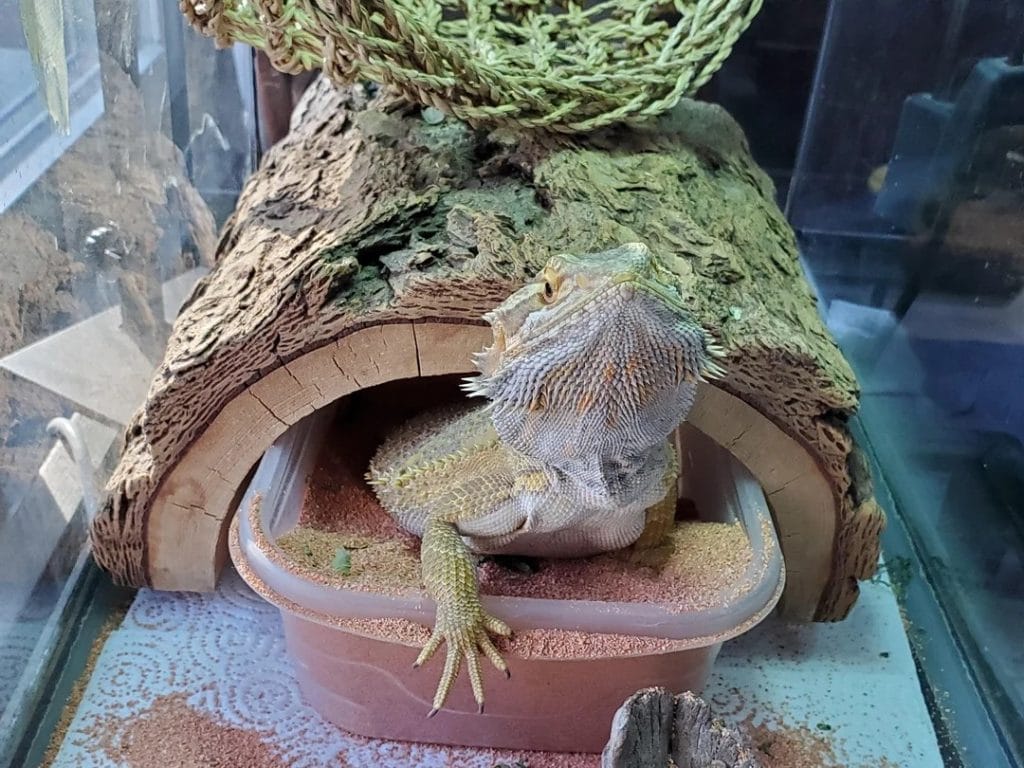
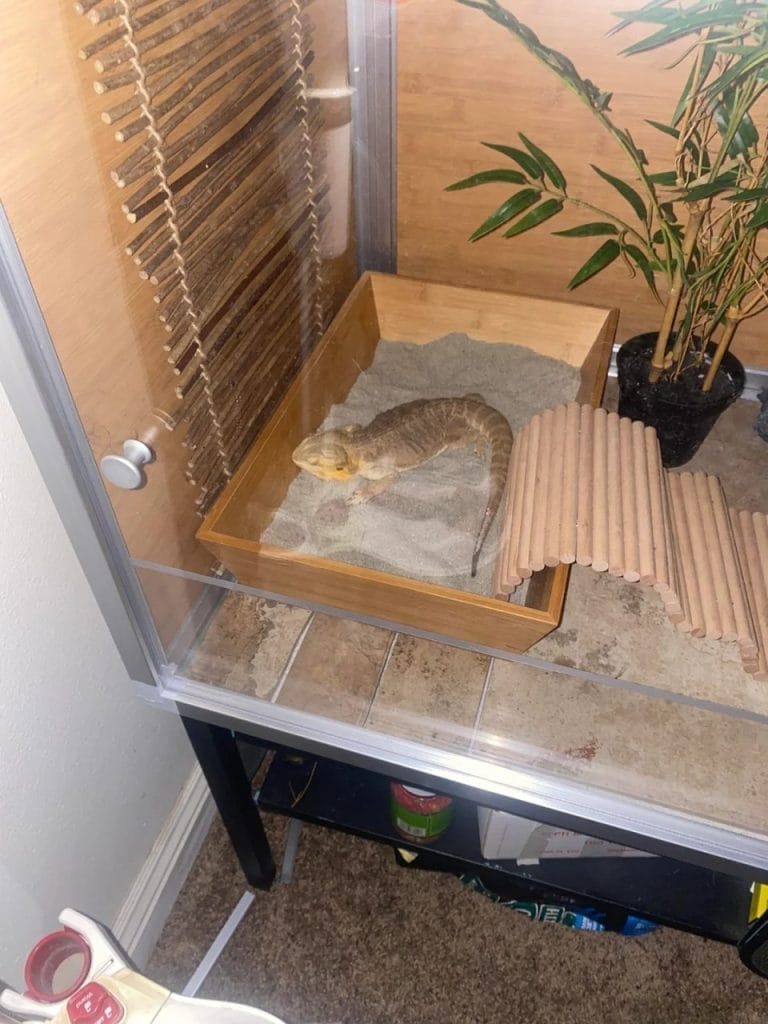
10 Bearded Dragon Dig Box Ideas





Make Dig Box Time Safe and Fun
These 10 dig box ideas provide great enrichment for your bearded dragon—when used correctly as supervised playtime, not permanent housing.
Quick Recap:
Dig boxes are:
- Temporary enrichment (30-60 minutes)
- Supervised only
- Not a substitute for proper care
- Great for mental stimulation
Dig boxes are NOT:
- Permanent tank substrate
- Safe for unsupervised use
- Appropriate for babies under 12 months
- A replacement for proper enclosure setup
Your Dragon Still Needs:
Primary Enclosure Requirements:
- Proper size (75-120 gallons for adults)
- Safe permanent substrate (tile, not loose sand)
- T5 HO UVB lighting
- Correct temperatures
- Proper diet with supplements
Complete Setup Checklist:
- [ ] 120-gallon enclosure (or appropriate size for age)
- [ ] Tile substrate as permanent flooring
- [ ] T5 HO UVB bulb
- [ ] Basking bulb maintaining proper temps
- [ ] Temperature gun for verification
- [ ] Quality diet with supplements
- [ ] Climbing structures and hides
- [ ] THEN add supervised dig box for enrichment
The Priority Order:
Step 1: Get essentials right (enclosure, UVB, heating, diet)
Step 2: Use safe permanent substrate (tile)
Step 3: Add enrichment like supervised dig boxes
Never skip steps. A dig box in a poorly set-up tank doesn’t help—it just gives your dragon something fun to do while they’re slowly dying from wrong care.
Get the foundation right. Then add the fun stuff.
Now go build that dig box—but do it the safe way.

About Author
Hello, I’m Muntaseer Rahman, the owner of AcuarioPets.com. I’m passionate about aquarium pets like shrimps, snails, crabs, and crayfish. I’ve created this website to share my expertise and help you provide better care for these amazing pets.
Disclaimer
This site is owned and operated by Muntaseer Rahman. AcuarioPets.com is a participant in the Amazon Services LLC Associates Program, an affiliate advertising program designed to provide a means for sites to earn advertising fees by advertising and linking to Amazon.com. This site also participates in other affiliate programs and is compensated for referring traffic and business to these companies.