This post was created with help from AI tools and carefully reviewed by a human (Muntaseer Rahman) . For more on how we use AI on this site, check out our Editorial Policy.
Check Out These FREE Tools We Made JUST For You!
Maximize Your Rili Shrimp’s Lifespan With 16 Pro Care Tips
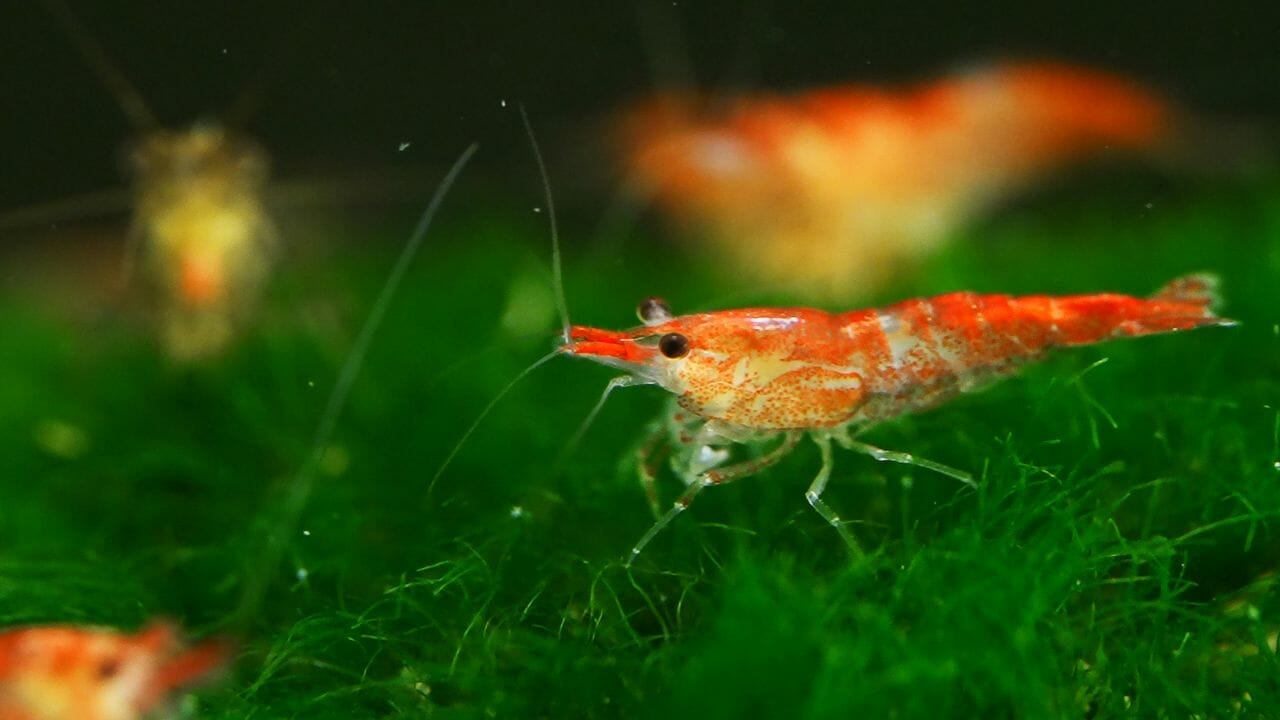
Rili shrimp are one of those varieties that make people stop and look twice.
That signature pattern — colored head and tail with a transparent midsection — is unlike anything else in the Neocaridina world. They look like someone took a cherry shrimp and erased the middle section with Photoshop.
First stabilized around 2010, Rili shrimp have become a favorite for hobbyists who want something a little different without the demanding care requirements of Caridina species.
The typical lifespan? About 1-2 years.
But here’s the thing. With proper care, some keepers report their Rili shrimp pushing closer to 2+ years. The difference between a shrimp that barely makes it a year and one that thrives for two comes down to the details.
Let’s break down exactly what you need to know.

Quick Stats
| Attribute | Details |
|---|---|
| Scientific Name | Neocaridina davidi var. “Rili” |
| Common Varieties | Red Rili, Orange Rili, Blue Rili, Carbon Rili, Green Rili |
| Adult Size | 1 – 1.5 inches |
| Lifespan | 1 – 2 years |
| Difficulty | Beginner-friendly |
| Temperament | Peaceful |
| Diet | Omnivore / Scavenger |
| Breeding | Easy |
What Makes Rili Shrimp Different?
The “Rili” pattern is what sets these shrimp apart.
Normal cherry shrimp have solid coloration throughout their bodies. Rili shrimp have a colored head (carapace) and tail, but the middle section is translucent or clear.
It creates a striking contrast that really pops in planted tanks.
The pattern was originally discovered as a mutation in cherry shrimp breeding lines. Breeders selectively bred for the trait until it became stable enough to reproduce consistently.
Popular Rili Varieties:
- Red Rili — The original and most common. Red head/tail with clear midsection
- Orange Rili — Bred from Orange Pumpkin shrimp. Bright orange with translucent middle
- Blue Rili — Either red patches with blue-tinted clear areas, or deep sapphire blue with clear patches
- Carbon Rili — Black/dark coloration with clear sections
- Green Rili — Soft green to lime coloration with transparent midsection
All Rili varieties are the same species (Neocaridina davidi) with the same care requirements. The only difference is color.

16 Pro Tips To Maximize Your Rili Shrimp’s Lifespan
Tip 1: Cycle Your Tank Completely Before Adding Shrimp
This is non-negotiable.
Ammonia and nitrites are toxic to shrimp. Even small amounts can cause stress, failed molts, and death.
Your tank needs to be fully cycled before you add any shrimp. That means ammonia at 0 ppm, nitrites at 0 ppm, and nitrates below 20 ppm (ideally below 10).
A properly cycled tank also develops biofilm — the natural grazing food your shrimp need to thrive.
Minimum cycling time: 4-6 weeks
Don’t rush this step. Your patience now will save you dead shrimp later.
Tip 2: Keep Parameters Stable (Not Just “Correct”)
Stability matters more than hitting perfect numbers.
Rili shrimp can tolerate a fairly wide range of parameters, but sudden changes stress them out. A stable pH of 7.2 is better than a pH that swings between 6.8 and 7.5.
Ideal Parameters for Rili Shrimp:
| Parameter | Range |
|---|---|
| Temperature | 68 – 78°F (20 – 26°C) |
| pH | 6.5 – 8.0 |
| GH | 6 – 12 |
| KH | 2 – 8 |
| TDS | 150 – 350 |
| Ammonia | 0 ppm |
| Nitrite | 0 ppm |
| Nitrate | <20 ppm |
Most tap water works fine for Rili shrimp after dechlorination. They’re much more forgiving than Caridina species.
Tip 3: Go Bigger On Tank Size
Yes, you can technically keep Rili shrimp in a 5-gallon tank.
But bigger tanks are more stable. Temperature swings slower. Parameters fluctuate less. You have more margin for error.
A 10-gallon tank is ideal for beginners. It gives you room for a growing colony while keeping water conditions easier to manage.
Remember: 6 shrimp can become 100 shrimp within a few months. Plan accordingly.

Tip 4: Use A Sponge Filter
Sponge filters are the gold standard for shrimp tanks.
They provide biological filtration, are safe for baby shrimp (no intake to suck them up), and the sponge itself becomes a grazing surface covered in biofilm.
If you use a hang-on-back or canister filter, put a sponge prefilter over the intake. Baby shrimp are tiny and will get pulled in otherwise.
Tip 5: Keep Temperatures On The Lower End
Here’s something most people don’t realize: temperature directly affects lifespan.
Higher temperatures speed up metabolism. Your shrimp will be more active, breed faster, but also die sooner.
Lower temperatures (around 68-72°F) slow metabolism. Your shrimp breed less frequently but live longer.
If maximum lifespan is your goal, keep temps in the low 70s. If you want rapid colony growth and don’t mind shorter individual lifespans, you can push into the mid-to-upper 70s.
Avoid temperatures above 78°F. At higher temps, dissolved oxygen drops and stress increases.
Tip 6: Provide Plenty Of Hiding Spots
Shrimp are prey animals. They feel safest when they have places to hide.
This is especially important during molting. A freshly molted shrimp has a soft shell and is vulnerable. They’ll hide until their new exoskeleton hardens.
Good hiding spots include:
- Java moss (the classic choice)
- Cholla wood
- Driftwood with crevices
- Rock caves
- Dense plant cover
- Shrimp tubes/hides
More hiding spots = less stress = longer lifespan.
Tip 7: Add Indian Almond Leaves
Indian Almond Leaves (Catappa leaves) are basically a superfood for shrimp tanks.
They release tannins that have mild antifungal properties. They provide surface area for biofilm to grow. And as they break down, shrimp love munching on them.
Add 1-2 leaves per 10 gallons and replace as they decompose. Your shrimp will thank you.
Other beneficial leaves include mulberry leaves, oak leaves, and guava leaves.

Tip 8: Don’t Overfeed
Overfeeding is one of the most common mistakes in shrimp keeping.
Excess food rots in the tank, spikes ammonia, and fouls your water quality. This stresses your shrimp and shortens their lives.
Feeding guidelines:
- Feed once daily or every other day
- Only give what they can finish in 2-3 hours
- Remove uneaten food
- Consider skipping one day per week
In a well-established tank with biofilm and algae, your shrimp will find plenty to graze on between feedings. They won’t starve.
Tip 9: Feed A Varied Diet
A varied diet = healthier shrimp = longer lifespan.
Don’t just feed one type of food. Mix it up:
- High-quality shrimp pellets (the food my cherry shrimp actually swarm) (Shrimp King, Hikari, etc.)
- Blanched vegetables (spinach, zucchini, cucumber)
- Algae wafers
- Frozen foods like daphnia or baby brine shrimp (occasional treat)
- Bee pollen (great for color and breeding)
- Decaying leaves (Indian almond, mulberry)
The variety ensures they get all the nutrients they need for healthy molting and immune function.
Tip 10: Ensure Adequate Calcium For Molting
Molting is the most dangerous time in a shrimp’s life.
They shed their old exoskeleton and grow a new one. If they don’t have enough calcium and minerals, the new shell won’t form properly. This leads to failed molts — often fatal.
Make sure your GH is in the 6-12 range. If it’s on the lower end, you can supplement with:
- Cuttlebone (just toss a piece in the tank)
- Mineral supplements
- Calcium-rich foods
Leave molted shells in the tank. Shrimp will eat them to recycle the calcium.
Tip 11: Do Small, Frequent Water Changes
Large water changes can shock your shrimp, especially if the new water parameters differ from the tank water.
Smaller, more frequent changes are safer.
Recommended: 10-20% water changes weekly
When adding new water:
- Match the temperature to your tank water
- Use dechlorinator
- Add water slowly (drip if possible)
Consistency is key. A regular schedule keeps parameters stable.
Tip 12: Test Your Water Regularly
You can’t fix what you don’t know is broken.
Get a liquid test kit (the kit I use to check ammonia and nitrites every week) (API Master Test Kit is the standard) and test regularly:
- Weekly: pH, ammonia, nitrite, nitrate
- Monthly: GH, KH, TDS
Testing helps you catch problems before they kill your shrimp. A gradual pH drift is easy to fix if you catch it early. A crashed cycle discovered too late means dead shrimp.
Tip 13: Avoid Copper At All Costs
Copper is toxic to shrimp. Even trace amounts can kill them.
Common sources of copper contamination:
- Some fertilizers (check ingredients)
- Some fish medications
- Copper pipes (in older homes)
- Certain decorations or substrates
Always verify that any product you add to your shrimp tank is copper-free. When in doubt, don’t use it.

Tip 14: Skip The Fish (Or Choose Very Carefully)
Most fish will eat baby shrimp. Many will eat adult shrimp too.
If your goal is a thriving Rili colony with maximum lifespan, keep a shrimp-only tank. No fish means no predation stress and no lost shrimplets.
If you must have tankmates, relatively safe options include:
- Snails (Nerite, Ramshorn, Mystery)
- Otocinclus catfish
- Very small, peaceful nano fish (Chili Rasboras, Pygmy Corydoras)
Even “safe” fish may eat baby shrimp occasionally. Accept some losses if you go this route.
Tip 15: Don’t Mix Different Neocaridina Colors
All Neocaridina varieties can interbreed.
If you put Red Rili shrimp with Blue Dream shrimp, they’ll mate. The offspring won’t be beautiful hybrids — they’ll be wild-type brown/clear shrimp.
Within a few generations, you’ll lose the Rili pattern entirely.
Keep only one Neocaridina variety per tank if you want to maintain the pattern and color.
You CAN safely keep Rili shrimp with Caridina species (like Crystal Reds) or Amano shrimp since they won’t interbreed. Just make sure the water parameters work for both.
Tip 16: Buy From Quality Sources And Acclimate Properly
Where you get your shrimp matters.
Shrimp from local breeders are often raised in water similar to your tap water. This makes acclimation easier and reduces stress.
Mass-produced shrimp shipped across the country may have been kept in very different parameters. The shock of changing water conditions can weaken them or cause deaths weeks later.
Always drip acclimate new shrimp:
- Float the bag to equalize temperature (15-20 minutes)
- Place shrimp and bag water in a container
- Use airline tubing to drip tank water in slowly (2-4 drops per second)
- Continue until water volume doubles or triples (1-2 hours)
- Net shrimp into the tank — don’t dump the old water in
Proper acclimation reduces stress and gives your new shrimp the best chance at a long life.
Signs Of A Healthy Rili Shrimp
How do you know your shrimp are thriving? Look for:
- Active grazing behavior throughout the day
- Vibrant, saturated coloration
- Clear, defined Rili pattern
- Regular molting (finding shells is good!)
- Females carrying eggs (berried females)
- Baby shrimp appearing in the tank
- No lethargy or hiding constantly
If your shrimp are doing all this, you’re on the right track.
Common Problems That Shorten Lifespan
Failed Molts
White ring around the body, shrimp stuck in old shell. Usually caused by low GH/minerals or unstable parameters.
Bacterial Infections
Cloudy/milky appearance, lethargy, rapid death. Often caused by poor water quality.
Stress From Parameter Swings
Loss of color, hiding, not eating. Usually follows water changes with mismatched parameters or temperature fluctuations.
Predation
Missing shrimp, especially babies. Fish or other tank inhabitants eating them.
Planaria/Hydra
Parasites that can harm baby shrimp. Treat with No-Planaria or similar if spotted.
Quick Breeding Notes
Rili shrimp breed easily. If you have males and females in a healthy tank, they’ll reproduce without any special effort on your part.
- Females are larger and more colorful
- Males are smaller and more slender
- Females carry eggs under their tail for about 30 days
- Babies hatch as miniature shrimp (no larval stage)
- Sexual maturity: 4-6 months
One warning about breeding Rili shrimp: the pattern isn’t always perfectly stable. You may get some offspring with more or less of the clear midsection. Selective breeding (culling lower-grade shrimp to a separate tank) helps maintain strong Rili patterns over generations.
Final Thoughts
Rili shrimp are fantastic for beginners and experienced keepers alike.
They’re hardy enough to forgive mistakes but rewarding enough to keep things interesting. That unique pattern makes them stand out in any planted tank.
The key to maximizing their lifespan comes down to basics: stable water, proper nutrition, no predators, and attention to detail.
Follow the 16 tips above, and you’ll give your Rili shrimp the best shot at reaching — or exceeding — that 2-year mark.
Good luck with your colony.
About Author
Hello, I’m Muntaseer Rahman, the owner of AcuarioPets.com. I’m passionate about aquarium pets like shrimps, snails, crabs, and crayfish. I’ve created this website to share my expertise and help you provide better care for these amazing pets.
Disclaimer
This site is owned and operated by Muntaseer Rahman. AcuarioPets.com is a participant in the Amazon Services LLC Associates Program, an affiliate advertising program designed to provide a means for sites to earn advertising fees by advertising and linking to Amazon.com. This site also participates in other affiliate programs and is compensated for referring traffic and business to these companies.