This post was created with help from AI tools and carefully reviewed by a human (Muntaseer Rahman) . For more on how we use AI on this site, check out our Editorial Policy.
Check Out These FREE Tools We Made JUST For You!
How Long Do Betta Fish Live? Maximizing Your Betta’s Lifespan
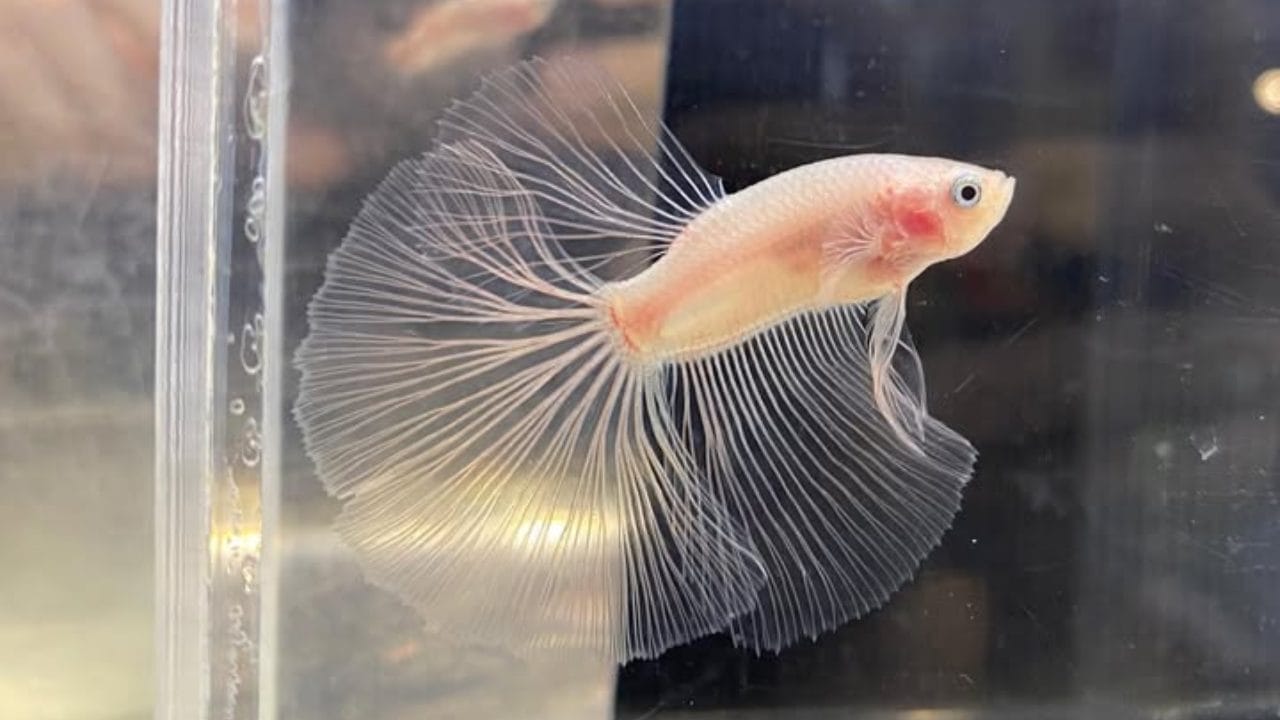
So you’ve got a gorgeous betta fish sitting in a little cup at the pet store, looking at you with those judgmental fish eyes, and you’re thinking about bringing it home.
But here’s the question nobody asks until it’s too late: how long is this tiny water dinosaur actually going to stick around?
The answer might surprise you.
The Short Answer (That Nobody Wants to Hear)
Most betta fish live 2-5 years in captivity.
Yeah, I know. Not exactly “get a dog and have a best friend for 15 years” territory.
But here’s where it gets interesting: some bettas have lived 7-10 years, and there’s even a documented case of a betta named Ben who made it to the big 1-0.
That’s right, a full decade.
Wild vs. Captive: Tale of Two Bettas
In the wild, bettas usually only make it 2-3 years.
They’re dealing with predators, diseases, parasites, and basically playing the aquatic version of survival mode on expert difficulty.
But in your home? With proper care, they can double or even triple that lifespan.
It’s like comparing someone living in a zombie apocalypse versus someone with health insurance and a gym membership.
Why Most Bettas Die Young (And It’s Probably Not Your Fault… Mostly)
Here’s the uncomfortable truth: most pet store bettas are already 6-12 months old when you buy them.
So when they die after “only” a year in your care, they might have actually lived 1.5-2 years total.
Also, these fish are bred like crazy for their looks—those fancy flowing fins and vibrant colors—but not necessarily for health or longevity.
It’s basically like breeding dogs for appearance until they can’t breathe properly. Except with fish. And water.
The Pet Store Problem
Those tiny cups at the store? They’re essentially fish prison.
Your betta has been living in what amounts to a watery solitary confinement cell, probably stressed out of its mind, possibly exposed to diseases from neighboring cups, and definitely not getting the five-star treatment.
Some survive this fine. Others… don’t.
The Big Debate: Tank Size Matters (Yes, Really)
Let me just rip the band-aid off: those 1-gallon bowls are basically death traps.
I don’t care what the pet store employee told you. I don’t care that your aunt’s cousin’s neighbor kept a betta in a vase for three years.
Science and literally thousands of fish keepers agree: bettas need at least 5 gallons minimum.
Here’s why smaller tanks are terrible:
Water Quality Goes Bad FAST
In a tiny bowl, your betta is essentially swimming in its own toilet.
Fish poop and pee break down into ammonia, which is toxic. In a 1-gallon tank, ammonia levels spike faster than your anxiety on a Monday morning.
In a 5-gallon tank? You’ve got more water diluting the waste, which means more time between “habitable” and “toxic waste dump.”
The Temperature Rollercoaster
Bettas are tropical fish from Southeast Asia. They need water temps between 76-82°F.
In a tiny bowl, water temperature fluctuates wildly throughout the day. Too cold, and their immune system crashes. Too hot, and they age faster than milk in the sun.
It’s like forcing someone to live in a house where the thermostat randomly swings from 50°F to 95°F every few hours.
Stress = Early Death
Would you want to live in a closet for your entire life?
Bettas are actually pretty active and curious fish. They explore, they patrol their territory, they check things out.
In a cramped space, they get bored, stressed, and depressed. Yes, fish can get depressed. It’s a thing.
What Actually Kills Bettas Early
Let’s talk about the real culprits:
1. The Bowl Myth
Stop. Using. Bowls.
I cannot stress this enough. The “betta in a bowl” thing is a marketing gimmick from decades ago that refuses to die.
Bettas can survive in small spaces temporarily, but they sure as hell don’t thrive.
2. No Filter = Swimming in Sewage
“But bettas live in puddles in the wild!”
No. They don’t. This is a myth that needs to die.
Wild bettas live in shallow rice paddies and slow-moving streams that span acres, not puddles. One study found wild betta territories averaging 11 gallons.
Even in temporary pools during dry season, those waters are constantly refreshed by rain and groundwater, and bettas can move around freely.
Your unfiltered bowl? That’s stagnant poison soup.
3. Wrong Temperature
Room temperature is not betta temperature.
Unless you live in a sauna, you need a heater. Period.
4. Overfeeding
Bettas have stomachs about the size of their eyeball.
That’s tiny. Like, really tiny.
People feeding them “until they’re full” are basically giving them the aquatic equivalent of an all-you-can-eat buffet three times a day.
Overfeeding leads to constipation, swim bladder issues, and organ failure. It can literally kill them.
5. Crappy Genetics
Remember those fancy fins we talked about?
Decades of breeding for appearance has created some bettas that are basically swimming genetic disasters. Some are more prone to diseases, swim bladder problems, and shorter lifespans.
Double-tails, for example, are beautiful but notoriously prone to swim bladder issues.
It’s not your fault if you get a betta with bad genetics. It’s just the luck of the draw.
6. Fish Tuberculosis (Yes, Really)
Here’s a fun fact that’ll keep you up at night: many mass-produced bettas carry Mycobacterium marinum, also known as fish TB.
It’s a chronic, slow-killing disease that’s basically everywhere in overcrowded fish farms.
If your betta arrives already infected, you might only get 1.5 years max, no matter how perfect your care is.
There’s no easy cure, and it’s depressingly common.
How to Actually Keep Your Betta Alive Longer
Alright, enough doom and gloom. Let’s talk about what you CAN do.
Get the Right Tank Setup
Minimum 5 gallons. Preferably 10 gallons.
Yes, it costs more. Yes, it takes up more space. Yes, it’s worth it.
Include:
- A heater to maintain 76-82°F
- A filter with adjustable flow (bettas hate strong currents)
- Live plants if possible (they help maintain water quality)
- Places to hide and rest (bettas love leaf hammocks near the surface)
Think of it as building a tiny tropical paradise instead of a wet prison cell.
Feed Them Properly
2-4 high-quality betta pellets (the pellets I feed my betta daily), twice a day.
That’s it. That’s the magic formula.
Supplement with frozen or freeze-dried bloodworms or brine shrimp 1-2 times per week as treats.
Fast them one day per week to prevent constipation.
If you’re feeding them until “they stop eating,” you’re overfeeding. Bettas are opportunistic feeders in the wild and will eat until they explode if given the chance.
Maintain Water Quality Like Your Life Depends On It
Because your betta’s life literally does.
Test your water weekly:
- Ammonia: 0 ppm
- Nitrites: 0 ppm
- Nitrates: under 20 ppm
- pH: 6.5-8.0 (they’re adaptable, but stable is more important than perfect)
Change 25-30% of the water weekly.
Always use a water conditioner (what I use every water change) to remove chlorine and heavy metals from tap water.
Never use distilled water—it lacks minerals bettas need.
Buy From Responsible Sources
If possible, buy from a reputable breeder instead of a big box pet store.
Breeders usually provide better care from the fry stage, and their fish often have better genetics.
Yes, it’s more expensive. Yes, it’s harder to find. But you’re more likely to get a healthy fish that’ll stick around.
Learn to Spot Health Issues Early
Healthy bettas are:
- Active and curious
- Eating enthusiastically
- Brightly colored (males especially)
- Swimming normally (not listing, floating weirdly, or sitting on the bottom constantly)
- Free of spots, lesions, or fin rot
If you notice changes, act fast. Fish diseases progress quickly.
Don’t Add Tankmates Unless You Know What You’re Doing
Never put two male bettas together. They’re called Siamese Fighting Fish for a reason.
Male bettas are also aggressive toward anything that looks remotely like another betta—fancy guppies with big fins, for example, are basically asking for trouble.
Female bettas can sometimes live in “sororities,” but this requires a 20-gallon minimum and careful monitoring. It’s not recommended for beginners.
Safe tankmates for a 10+ gallon tank:
- Snails
- Small corydoras catfish
- African dwarf frogs
- Ghost shrimp (though bettas might eat them)
But honestly? Bettas are perfectly happy solo. They don’t get lonely. They’re not pack animals.
The Aging Betta: What to Expect
After about 1.5-2 years (or when they’re around 2.5-3 years old total), you might notice your betta slowing down.
This is normal.
They’ll rest more, swim less, maybe lose some color intensity. Their fins might get a bit raggedy.
It’s not necessarily illness—it’s just old age.
Think of them like an elderly person. They need more rest, gentler conditions, and extra monitoring.
Some bettas go downhill fast. Others stay spry until the very end.
The Reddit Reality Check
I spent time digging through fish forums and Reddit to see what actual betta owners experience.
The consensus? Most people get 2-4 years out of their bettas.
The lucky ones with great genetics and perfect care? 4-7 years.
The unicorns? 7-10 years, but these are rare enough that people remember them decades later.
One person had a betta that lived 9 years in a half-gallon bowl with minimal care (fed every 3-4 days, cats drinking from the bowl). This fish was either immortal or deeply spiteful.
But these are outliers. Don’t count on them.
The Bottom Line
Bettas typically live 3-5 years with proper care.
Can they live longer? Absolutely.
Will they? That depends on genetics (which you can’t control), where you bought them from (which you can), and how you care for them (which you definitely can).
If you want to maximize your betta’s lifespan:
- Get at least a 5-gallon tank (10 is better)
- Use a heater and filter
- Feed properly (less is more)
- Maintain water quality religiously
- Buy from reputable sources when possible
- Monitor their health and act fast if something’s wrong
Will doing all this guarantee a 10-year-old betta? No.
But it’ll give your fish the best possible shot at living a full, healthy life instead of dying young in what amounts to a decorative prison.
Your betta might not live as long as a dog or cat, but those 3-5 years can be pretty awesome if you set them up for success.
Plus, watching a happy betta explore their tank, build bubble nests, and actually use their fins without struggling? That’s worth the effort.

About Author
Hello, I’m Muntaseer Rahman, the owner of AcuarioPets.com. I’m passionate about aquarium pets like shrimps, snails, crabs, and crayfish. I’ve created this website to share my expertise and help you provide better care for these amazing pets.
Disclaimer
This site is owned and operated by Muntaseer Rahman. AcuarioPets.com is a participant in the Amazon Services LLC Associates Program, an affiliate advertising program designed to provide a means for sites to earn advertising fees by advertising and linking to Amazon.com. This site also participates in other affiliate programs and is compensated for referring traffic and business to these companies.