
This post was created with help from AI tools and carefully reviewed by a human (Muntaseer Rahman) . For more on how we use AI on this site, check out our Editorial Policy.
Check Out These FREE Tools We Made JUST For You!
Bearded Dragon Winter Care: Everything You Need to Know About Brumation
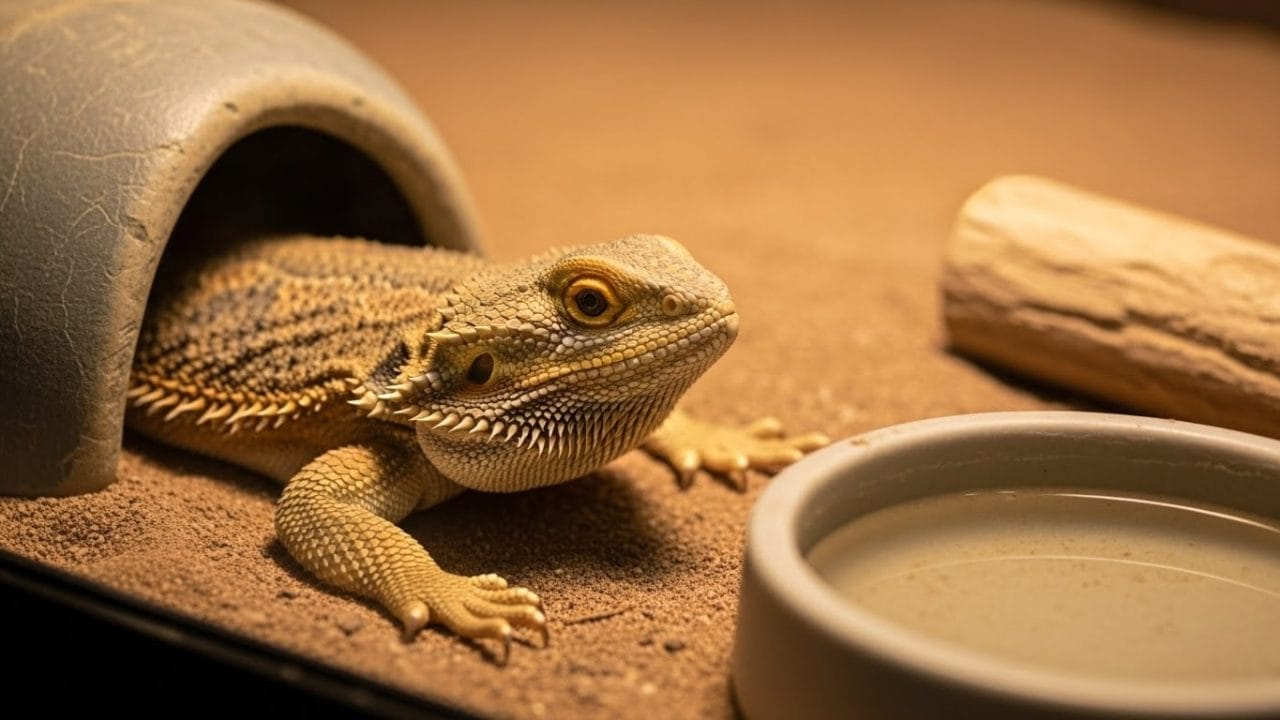
Your bearded dragon is sleeping way more than usual, refusing food, and hiding in the corner of their tank. If this is happening during winter, they’re probably going through brumation — a natural hibernation-like state that’s completely normal for healthy adult dragons.
Here’s the thing: brumation isn’t something to panic about, but it can look scary similar to illness. The difference is that a brumating dragon just acts sleepy and uninterested in food, while a sick dragon shows other symptoms like mucus, weird poop, or a black stressed-out beard.
In this guide, you’ll learn exactly what brumation is, how to tell if your dragon is brumating (vs. sick), what to do during this period, and when you should actually worry and call a vet.
Quick Answer: What You Need to Know About Winter Care
- Brumation is normal — It’s like hibernation for reptiles, usually lasting a few weeks to 3 months
- Adult dragons only — Don’t let dragons under 10-12 months brumate; they need food to grow
- Keep temps cool — Lower tank temps to 60-72°F during the day, 55-60°F at night
- Always water, never food — Offer fresh water daily, but don’t force-feed
- Vet check first — Rule out parasites and illness before assuming it’s brumation

What Is Brumation and Why Does It Happen?
Brumation is basically the reptile version of hibernation. Your bearded dragon’s metabolism slows way down, their heart rate drops, and they enter a deep rest to conserve energy.
In the wild, Australian bearded dragons brumate during their winter months (May to August) when temps drop to 40-70°F and food gets scarce. Their bodies are hardwired to do this even in captivity.
Not all pet bearded dragons will brumate, though. Some never do it, others brumate every single year, and some are so in tune with their Australian roots that they’ll try to brumate in June (Australia’s winter) even if they live in New York.
Why Brumation Is Actually Good for Your Dragon
Studies show that bearded dragons who brumate tend to be healthier overall. They live longer, stay more active when awake, and have better physical condition than dragons who never brumate.
Brumation also primes their bodies for breeding. If you’re planning to breed your dragon, brumation is basically essential for getting their hormones in the right place.
But here’s what matters most: forcing a dragon to stay awake during brumation or preventing it altogether can actually shorten their lifespan. Their bodies need this rest cycle.

Your Beardie Has More to Say…
This article tells you WHAT to do, but do you know WHY your dragon needs it? Or what they’re thinking when you do it wrong?
Read the full rant (all 20 chapters of it) in: “What Your Bearded Dragon Wishes You Knew”
*Told by a very frustrated beardie who’s had ENOUGH of watching you guess.*
How to Tell If Your Bearded Dragon Is Brumating (vs. Sick)
The signs of brumation can look terrifyingly similar to illness. Here’s what to watch for if you think your dragon might be entering brumation.
Normal Brumation Signs
- Sleeping all the time — Your dragon spends most of the day hidden away or sleeping in one spot.
- Zero interest in food — They’ll refuse crickets, veggies, everything. This can go on for weeks or months.
- Barely moving — When they do wake up, it’s usually just to shift position or grab a quick drink of water.
- Hiding behavior — They’ll dig into substrate, burrow under hides, or wedge themselves into the coolest corner of their tank.
- Less frequent pooping — Since they’re not eating, bowel movements basically stop.
Red Flags That Mean “This Is NOT Brumation”
Does your dragon have a black stress beard that won’t go away? That’s stress or illness, not brumation.
Are they producing extra mucus around their mouth or nose? Call your vet — respiratory infections are serious.
Is their poop runny, bloody, or just plain weird? This points to parasites or digestive issues.
Have they lost a ton of weight really fast? Healthy brumation involves minimal weight loss. Rapid weight loss means something’s wrong.
Did this start in summer when your house is 75°F? Your dragon might be sick, not brumating (unless they’re synced to Australian seasons).
The Golden Rule
When in doubt, get a vet check. Seriously. A quick exam and fecal test can rule out parasites and confirm your dragon is healthy enough to brumate.
You don’t want to let a sick dragon “sleep it off” for three months. That’s how minor issues become critical ones.

Winter Care for Young Bearded Dragons (Under 1 Year)
Baby and juvenile bearded dragons should NOT brumate. Period.
In the wild, baby dragons hatch in spring and spend their first months eating constantly to build up fat reserves. They don’t experience winter until they’re at least a few months old.
Why Young Dragons Shouldn’t Brumate
Their growing bodies need constant nutrition. Going months without food can seriously mess up their development and bone health.
They don’t have enough fat reserves to safely survive brumation. Adult dragons can coast on stored energy, but babies can’t.
How to Prevent Brumation in Young Dragons
Keep your tank temperatures high and consistent. Aim for a 95-105°F basking spot and 75-85°F on the cool side.
Maintain 12-14 hours of light daily. Don’t let the photoperiod drop below this even in winter.
Keep them away from windows. Natural light changes from outside can trigger their instinct to brumate even if the tank temps are perfect.
Feed them on schedule. Regular meals help keep their metabolism running and discourage brumation behavior.
If your baby dragon still shows brumation signs despite all this, talk to your vet ASAP. Something else might be going on.
How to Care for a Brumating Bearded Dragon
So your adult dragon is definitely brumating and the vet gave you the green light. Here’s exactly what to do.
Before Brumation Starts
Stop feeding 1-2 weeks before full brumation. You want their digestive tract completely empty so food doesn’t rot inside them.
Give them warm baths to encourage a final bowel movement. A gentle belly rub can help too.
Get a fecal test from your vet. Parasites can explode during brumation when the immune system is suppressed.
Weigh your dragon and write it down. You’ll want to track weight throughout brumation to catch any problems.
Setting Up the Perfect Brumation Environment
Lower your tank temps gradually over 2-3 weeks. Aim for 60-72°F during the day and 55-60°F at night.
You can turn off the basking light completely. Some keepers leave a low-wattage heat source, but it’s not required — bearded dragons can handle temps down to 40°F just fine.
Reduce UVB lighting to 6-10 hours per day. This mimics the shorter winter days they’d experience in nature.
Make sure they have a dark, secure hiding spot. A cave, half-log, or even a cardboard box works great.
Keep the room temperature stable below 72°F. Warmer than this and your dragon might wake up early or not brumate properly.
Daily Care During Brumation
Offer fresh water every single day. Brumating dragons will occasionally wake up for a drink, and dehydration is dangerous.
Don’t force food or handling. Leave them alone and let them sleep. Disturbing them causes stress and can mess up the whole process.
Spot-clean any messes. If they do poop, remove it immediately to prevent bacteria growth.
Check on them from a distance. Make sure they’re breathing and not losing dramatic amounts of weight.
Weigh them weekly if possible. Slight weight loss (5-10%) is normal, but anything more means vet time.
What About UVB During Brumation?
This is debated among keepers. Some say turn it off completely, others say keep it on for 6-8 hours.
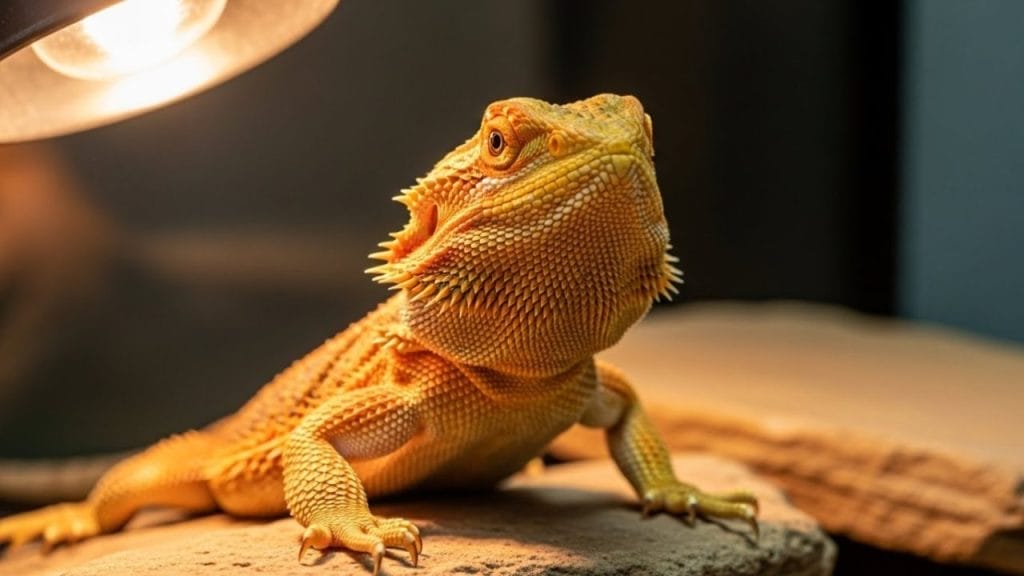
The safest approach: keep UVB on for 6-10 hours daily at reduced intensity. This prevents metabolic bone disease and helps maintain their vitamin D3 levels.
Even though they’re not eating or basking much, they still need some UVB exposure to stay healthy during the long sleep.
What NOT to Do During Brumation
These are the mistakes that new owners make all the time. Don’t be that person.
- Don’t force-feed your dragon. Their digestive system is essentially shut down. Food will literally rot in their stomach.
- Don’t try to wake them up early. Once brumation starts, let it run its natural course. Interrupting it stresses them out and can cause health issues.
- Don’t crank up the heat to “snap them out of it.” This is how you end up with a dragon that’s too warm to properly brumate but too sleepy to function normally.
- Don’t panic if they don’t eat for months. This is completely normal during brumation. A healthy adult dragon can go 2-3 months without food just fine.
- Don’t handle them constantly to “check on them.” You’re just stressing them out. Visual checks from outside the tank are enough.
- Don’t let temps get above 75°F. Warmer temps prevent proper brumation and can cause weight loss and parasite problems.
- Don’t brumate a sick, underweight, or young dragon. This is dangerous and can be fatal.
When to See a Vet (Emergency Warning Signs)
Brumation is natural, but sometimes things go wrong. Here’s when you need to call your reptile vet immediately.
Serious Warning Signs
- Dramatic weight loss — More than 10-15% of body weight is a red flag.
- Not waking up at all — They should occasionally stir, shift position, or drink water.
- Mucus discharge — From mouth, nose, or eyes means respiratory infection.
- Labored breathing — Wheezing, gasping, or breathing with their mouth open.
- Swollen or sunken eyes — Could indicate dehydration or other serious issues.
- Blood in poop — If they do defecate and there’s blood, that’s not normal.
- Won’t wake up after 4+ months — Even the longest brumation should end eventually.
When to Do a Wellness Check
Get your dragon checked before brumation starts. This ensures they’re healthy enough to handle the stress.
If this is their first brumation, get a mid-brumation check around week 6-8. Just to make sure everything’s going smoothly.
Always get a post-brumation check if they seem lethargic or won’t eat after waking up.
Bottom line: if something feels off, trust your gut and call the vet. Better safe than sorry with these guys.
How to Help Your Dragon Wake Up From Brumation
Your dragon is starting to stir more often and seem more alert. Brumation is ending, but you can’t just flip everything back to summer mode immediately.
The First Week After Brumation
Gradually increase temperatures over 5-7 days. Start with basking temps around 80-85°F and work up to normal 95-105°F.
Increase light hours slowly. Go from 6-8 hours up to 12-14 hours over the course of a week.
Offer water immediately. Keep fresh water available 24/7 — they’re going to be thirsty.
Don’t push food right away. Offer small meals but don’t worry if they refuse for a few days.
Getting Their Appetite Back
Give warm baths every other day. This helps rehydrate them and can stimulate their digestive system.
Start with easy-to-digest foods. Think small crickets or soft greens, not huge roaches or tough kale.
Feed smaller portions than normal. Their digestive system needs time to wake up and start working again.
Most dragons regain their normal appetite within 1-2 weeks. If yours is still refusing food after two weeks, get them to a vet.
Post-Brumation Behavior
Don’t be surprised if they act a bit weird for a couple weeks. This is normal adjustment period stuff.
They might be more active than usual — all that pent-up energy needs somewhere to go.
Some dragons get extra hungry and want to eat constantly. That’s fine, just don’t overfeed to the point of obesity.

Can You Prevent Brumation Completely?
Yes and no. Some dragons will never brumate no matter what you do. Others have such a strong instinct that they’ll try to brumate even in perfect conditions.
How to Discourage Brumation
Keep tank temps high year-round. Maintain that 95-105°F basking spot no matter what month it is.
Block out natural light changes. Don’t put your tank near windows where they can see the days getting shorter.
Maintain consistent 12-14 hour photoperiods. Use timers so the light schedule never varies.
Keep the room temperature stable. Central heating helps a lot here.
But here’s the reality: if your adult dragon really wants to brumate, fighting it might stress them out more than just letting it happen.
Should You Even Try to Prevent It?
Honestly, for healthy adult dragons, brumation is beneficial. Research suggests it extends lifespan and improves overall health.
The only times you should actively prevent brumation:
- Your dragon is under 10-12 months old
- They’re underweight or recovering from illness
- They have a chronic health condition
- Your vet advises against it
For everyone else, let nature do its thing.
Frequently Asked Questions
How long does bearded dragon brumation last?
Anywhere from 2 weeks to 4 months, depending on the individual dragon. Most brumate for 1-3 months. There’s no “normal” length — every dragon is different, and even the same dragon might brumate for different lengths each year.
Do I need to turn off all the lights during brumation?
You can turn off the basking light completely, but keep UVB lighting on for 6-10 hours daily. This prevents metabolic bone disease during the dormancy period. Some keepers turn everything off, others keep minimal lighting — both approaches can work.
What if my bearded dragon tries to brumate in summer?
This actually happens a lot! Some dragons are so in sync with Australian seasons that they’ll brumate in June or July (Australia’s winter). This is usually fine for healthy adults. Just make sure they’re not sick by getting a vet check first.
Can I wake up my bearded dragon during brumation to check on them?
You can do quick visual checks, but don’t handle them unless absolutely necessary. Disturbing them causes stress and can mess up the brumation cycle. If you must handle them (like for a vet visit), be very gentle and minimize the disturbance.
What temperature should my bearded dragon’s tank be during brumation?
Aim for 60-72°F during the day and 55-60°F at night. Some sources say you can go as low as 50°F, but 60-65°F is the sweet spot. Don’t let it get warmer than 75°F or they won’t brumate properly and might lose weight.
Wrapping This Up
Bearded dragon winter care is really all about understanding brumation and knowing when to let nature do its thing vs. when to step in.
For healthy adult dragons, brumation is natural and beneficial. Set up the right environment, keep water available, and leave them alone to rest.
For young dragons, sick dragons, or dragons showing warning signs, prevention or vet intervention is the way to go. When in doubt, always consult with a reptile vet who knows their stuff.
The biggest takeaway? Trust the process, but stay vigilant. Brumation is normal, but you still need to watch for red flags that mean something’s actually wrong.

About Author
Hello, I’m Muntaseer Rahman, the owner of AcuarioPets.com. I’m passionate about aquarium pets like shrimps, snails, crabs, and crayfish. I’ve created this website to share my expertise and help you provide better care for these amazing pets.
Disclaimer
This site is owned and operated by Muntaseer Rahman. AcuarioPets.com is a participant in the Amazon Services LLC Associates Program, an affiliate advertising program designed to provide a means for sites to earn advertising fees by advertising and linking to Amazon.com. This site also participates in other affiliate programs and is compensated for referring traffic and business to these companies.